

25/04/2026
The Polarization Between Cost and Adaptive Capability
The wave of foreign direct investment flowing into Vietnam from the beginning of 2025 to the present — concentrated mainly in the processing and manufacturing sector — is placing the logistics industry under a kind of pressure entirely different from previous cycles. Data from the Q1/2026 socio-economic report released by the General Statistics Office (Ministry of Finance) on the morning of April 4 shows that total registered FDI capital in Q1 reached USD 15.2 billion, up 42.9% year-on-year; actual disbursed capital reached USD 5.41 billion, up 9.1% and the highest level recorded in the past 5 years.
The conventional interpretation would suggest that rising FDI translates into a corresponding increase in cargo volume and logistics revenue. But a closer look at the behavior of multinational corporations — entities operating complex supply chains spanning multiple continents — reveals that the priority criteria for selecting service providers have quietly shifted: from "best price" to "least risk."
Entering 2026, logistics in the eyes of these corporations is essentially a mechanism that ensures the flow of the supply chain remains uninterrupted. Against the backdrop of geopolitical variables and extreme climate events shifting from "abnormal occurrences" to the "new normal," the market no longer holds much sympathy for models that only operate smoothly under ideal conditions. The focus of evaluation has shifted to a different question: how far can a logistics business sustain itself when everything goes off plan?
The market reality in 2026 is clearly polarizing into two opposing value systems: the group of businesses that continue to compete on freight rates, and the group of businesses that build incident-response capability as a core competitive advantage.
The Red Sea crisis of 2023–2024 served as the first stress test. But the escalation of the U.S.–Israel–Iran conflict from late February 2026, dragging along a transportation crisis through the Strait of Hormuz, has become a far harsher trial for the ability to maintain supply chain continuity. Traditional logistics models — built on the assumption that vital maritime routes would always be unobstructed — have repeatedly struggled to keep their commitments as the structure of global transport infrastructure has fallen into a state of fragmentation. In contrast, businesses that have invested in flexible operating architectures — capable of redesigning routes and switching transport modes — are quickly taking up the position of preferred partners on the shortlists of FDI investors. This affirms a reality of the new era: competitive advantage is no longer measured by the scale of tangible assets, but by the leanness and transparency of the operating system.
From Fragmented Service Chains to Vertically Integrated Architecture
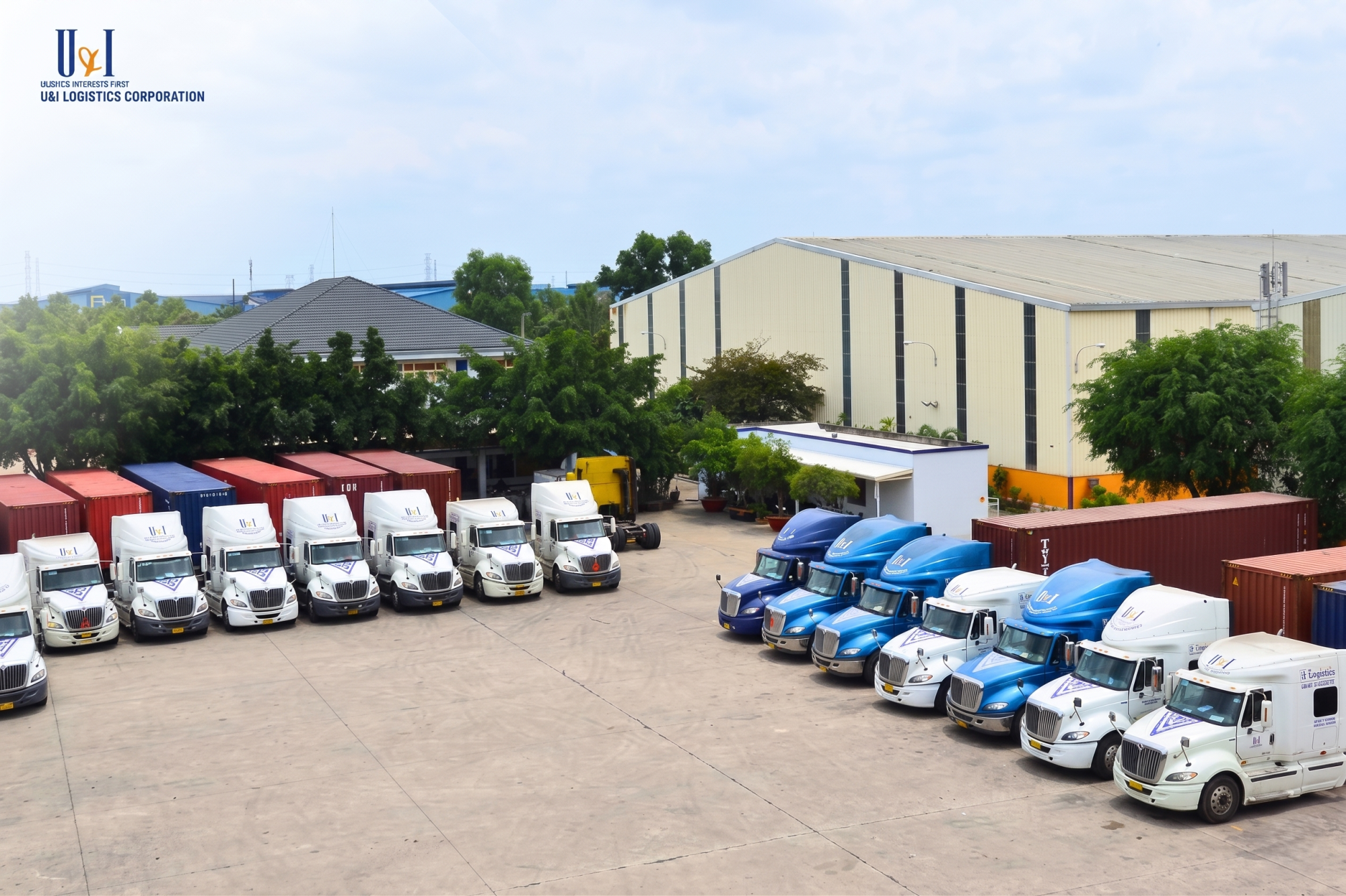
In the period of stability before 2020, the strategy of outsourcing each individual logistics link — selecting the provider with the best price for each segment — was a financially reasonable choice. But as the business environment has shifted into a state of continuous volatility, the formula for creating advantage has reversed. Instead of assembling independent providers for each segment — domestic transport, customs procedures, international shipping — modern logistics models are moving toward vertical integration, placing the entire value chain under a common operating system.
U&I Logistics' approach is an illustration of this direction. Establishing a centralized management system for the entire value chain helps the business eliminate most rounds of intermediary negotiation — points that often become bottlenecks whenever an incident arises. FDI investors are increasingly receptive to this integrated model because they have recognized a fairly straightforward calculation: the hidden cost of a single supply chain disruption — including production losses, opportunity costs, lost orders, and damaged customer relationships — typically far exceeds the entire logistics cost savings accumulated over an entire fiscal year.
Redefining Competitive Capability in the New Era
The aforementioned shift forces the entire industry to redefine the concept of competitive capability. A logistics business expanding horizontally — increasing the number of warehouses, investing in additional vehicles — may present a very impressive network map. But physical scale does not automatically translate into resilience against shocks if it lacks a layer of truly seamless coordination across the links.
This logic applies in reverse to FDI manufacturing enterprises when selecting partners. Evaluating service providers based on KPIs measured under ideal conditions is the method most likely to generate hidden risks, because what truly defines the value of a logistics partner — contingency plans, crisis-response scenarios, and alternative networks of relationships — barely appears in annual reports or capability profiles.
At the macro level, logistics infrastructure cannot be understood merely as a collection of tangible assets such as seaports, highways, or distribution centers. Another component of growing decisive importance is the flexibility of the legal framework, the level of digitalization of connected information systems, and the speed of decision-making when abnormal situations arise. The gap between hard infrastructure and soft infrastructure — if it exists — will become the biggest bottleneck. A country's cost advantage can be eroded very quickly if its emergency-response capability fails to keep pace with the growth of investment capital flows.
The new wave of FDI, in this sense, is acting as an identity test for Vietnam's logistics industry. As risk management gradually becomes the new standard by which multinational corporations select strategic partners, the question worth asking is not "how fast can we scale up," but rather: does our operating architecture have enough depth to absorb global variables? Is current growth the crystallization of internal capacity solid enough to step into a new position, or is it merely a cyclical benefit from the wave of capital relocation?


25/04/2026
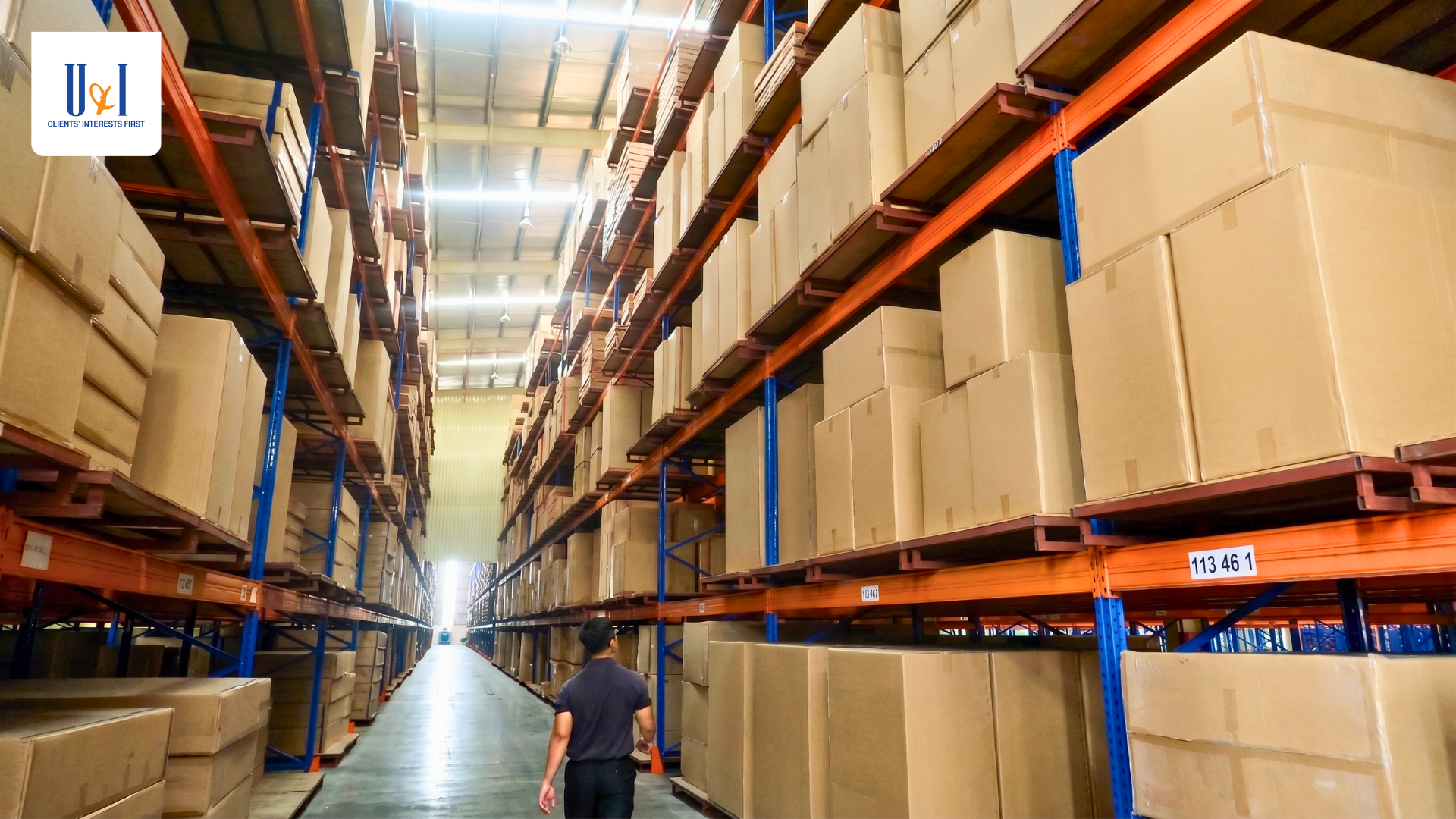
The wave of 100+ Taiwanese semiconductor businesses surveying Sonadezi Chau Duc in July 2026 sets a new requirement for Vietnamese warehouses: the C-TPAT and TAPA FSR certifications have become mandatory passports for accessing the highest-value segment of high-tech cargo.On July 7, 2026, more than 100 businesses in the semiconductor supply chain — the majority coming from Taiwan and serving as supply partners for major corporations such as NVIDIA, Tesla, and Starlink — conducted an investment survey at the Sonadezi Chau Duc Industrial Park. This is also where the Electronic Tripod factory has just injected USD 450 million to launch Phase 1 trial operations from mid-June 2026. In the same year, Intel raised its investment commitment in Vietnam from USD 1.5 billion to USD 4.1 billion, nearly tripling in scale. These developments have been continuously assessed as a golden opportunity for the domestic warehousing industry.
25/04/2026
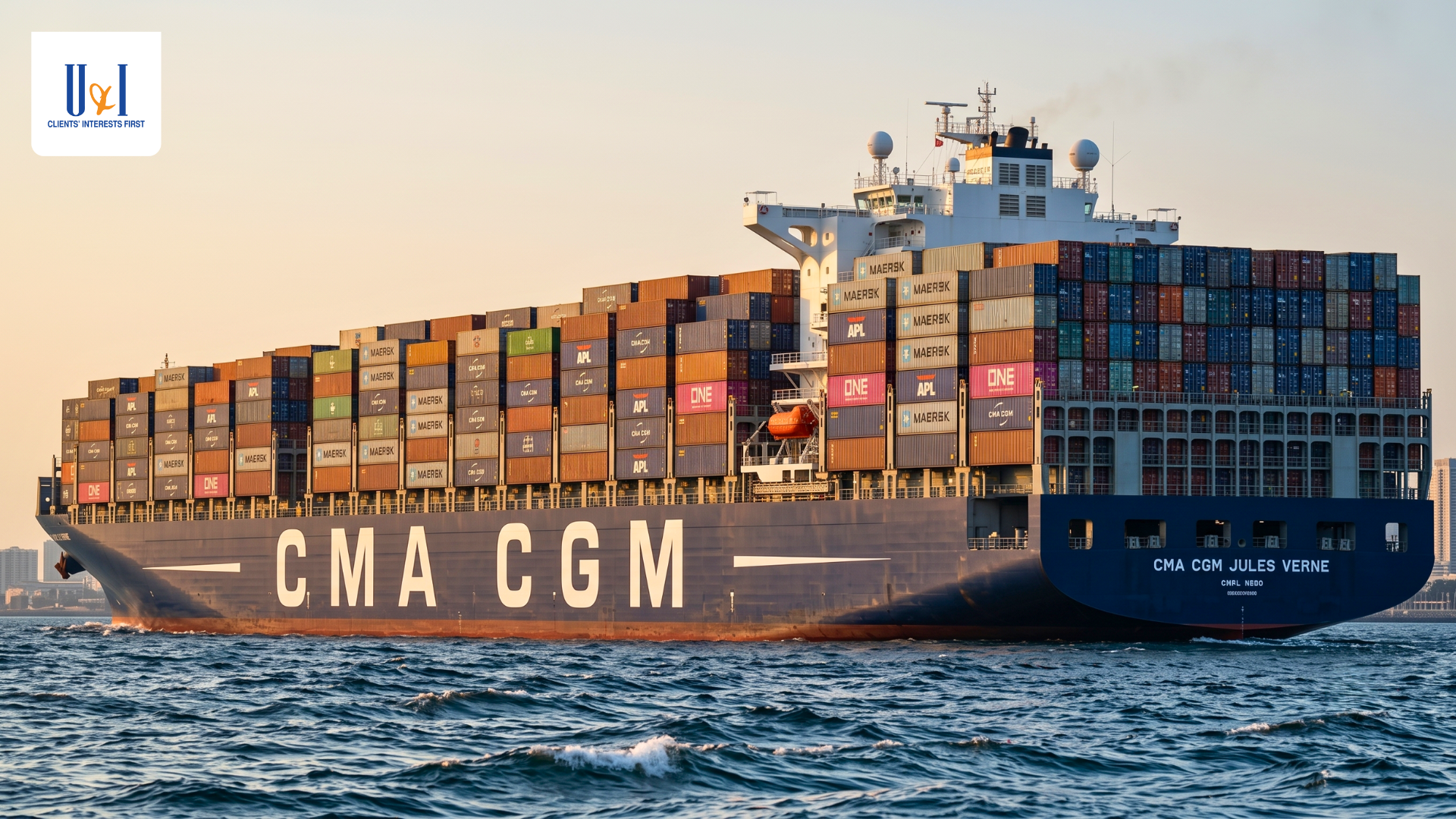
The CMA CGM acquisition of FedEx Supply Chain for USD 1.4 billion, covering 150 warehouses in North America, marks a wave of vertical integration M&A among major shipping lines, narrowing the negotiating space of shippers and highlighting the role of independent forwarders in protecting cash flow.

25/04/2026
Vietnam's agricultural, forestry, and fishery exports reached USD 35.88 billion in the first half of 2026, but reaching the USD 100 billion mark before 2030 requires growth exceeding 15% per year — forcing the industry to shift from the model of expanding output to integrated logistics management that preserves the value of agricultural products.


