

20/08/2026
In early August 2026, Everlight Electronics — a Taiwanese LED component manufacturer — together with its US subsidiary, agreed to pay USD 5.15 million to settle allegations related to misdeclaration of goods origin. According to authorities' records, this business had transshipped LED products manufactured in China through Taiwan in order to legitimize the Taiwanese origin, thereby evading Section 301 tariffs applied to Chinese goods during the period from July 2018 to January 2022. For the manufacturing and electronics trade industry, this is not an isolated incident but a clear illustration of the leading legal risk that international supply chains are currently facing.
Why "Origin" Is One of the Biggest Risks for These Industries

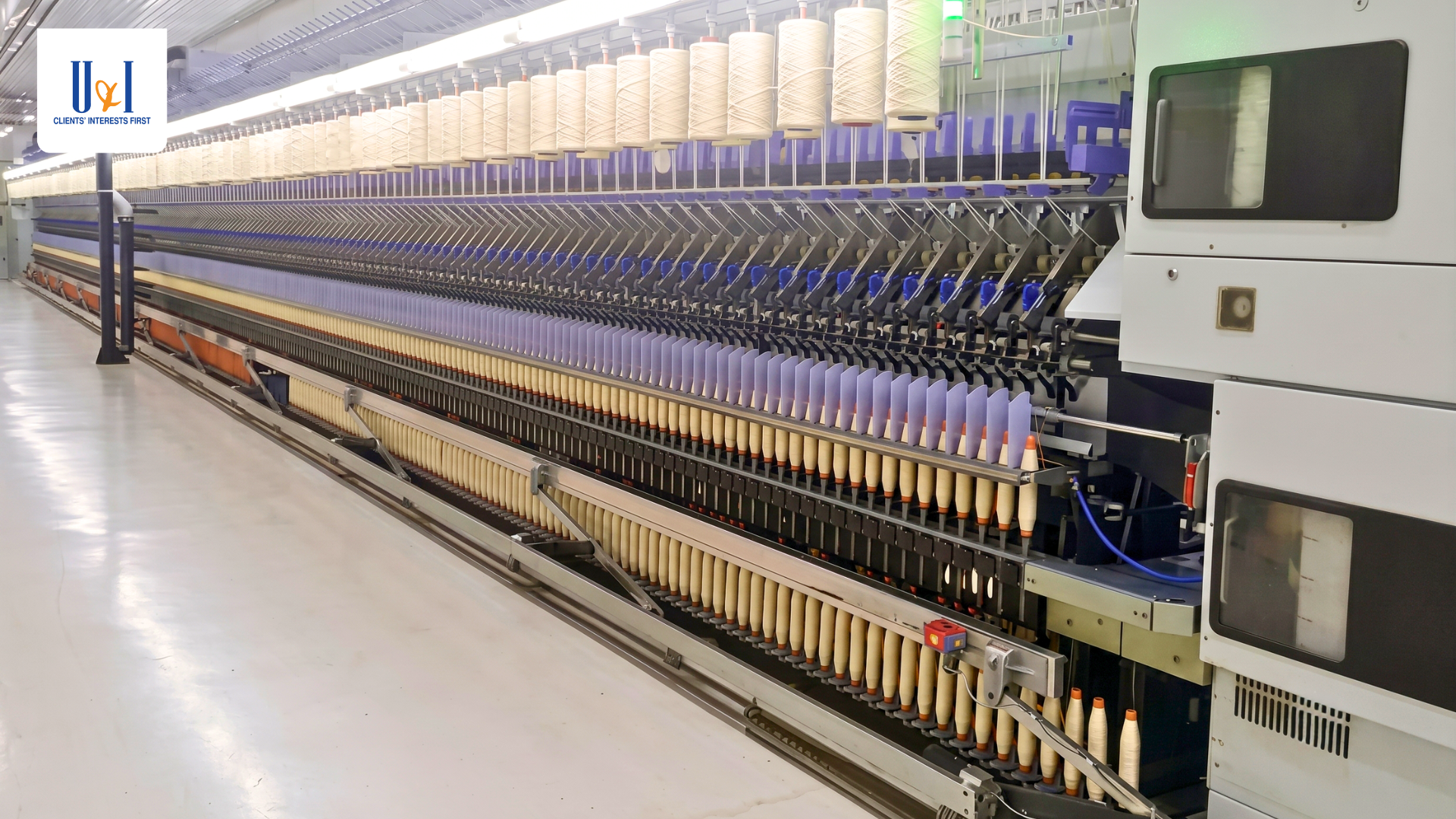
For product categories such as electronic devices, LEDs, solar panels, textile and garment materials, and metal components, origin management is currently the greatest challenge due to the convergence of the following three distinctive characteristics:
First, the supply chain structure has depth and multiple tiers:
A finished product such as an LED lamp, a photovoltaic panel, or a roll of garment raw materials is composed of dozens of different components and raw materials. This supply chain typically passes through two to three tiers of suppliers (Tier 2, Tier 3), in which a large proportion of key input materials — such as polysilicon, aluminum, cotton fiber, or capacitors — originates from China.

Second, the impact of two parallel US trade oversight mechanisms:
These product categories sit at the intersection of two rigorous control mechanisms. On the one hand, the additional Section 301 tariffs on Chinese goods create pressure to shift production, giving rise to the risk of transshipment fraud and misdeclaration of origin. On the other hand, the Uyghur Forced Labor Prevention Act (UFLPA) establishes a rebuttable presumption for goods produced wholly or partly in Xinjiang (such as polysilicon in solar panels, or aluminum and cotton fiber in the textile and garment industry). All of these shipments are subject to detention at the port of import, unless the business can provide clear and convincing evidence to demonstrate the compliance of the entire supply chain.
Third, the tightening of enforcement by international regulatory agencies:
The UFLPA Entity List has now been expanded by US authorities to nearly 190 businesses, covering multiple material segments from aluminum, cotton, and titanium to specialized electronic components. In parallel, the US Department of Justice's Trade Fraud Task Force has recovered and imposed penalties totaling more than USD 1 billion since its establishment.
The above realities show that goods origin is no longer merely a formal piece of information declared on the customs declaration or Certificate of Origin (C/O). It has become a life-or-death legal and commercial risk for import-export businesses. If the traditional logistics service model approaches origin documentation merely as a paperwork formality, it will leave large control gaps, creating the risk of cargo flow disruption and serious financial losses for businesses when the customs authorities of the importing country audit the supply chain.
The Shift from a Declaration Mechanism to a Proof-of-Origin Mechanism
Against the backdrop of international trade regulatory agencies tightening their inspections, the solution to origin risk management cannot stop at freight forwarding services or pure customs declaration. The requirement is to establish a Customs Brokerage model tightly linked with in-depth origin review and audit capability, operating on the foundation of the C-TPAT supply chain security standard.
The origin audit and review system is operated through three core technical components:
First, auditing the substance of production transformation:
Conducting technical assessments of finished products and core components to determine whether the product fully meets the Substantial Transformation criteria in Vietnam as required by the importing country. This process ensures the elimination of the risk of goods being merely transshipped or subjected to simple processing to evade duties.

Second, establishing a multi-tier supply chain map
Expanding the scope of traceability to Tier 2 and Tier 3 suppliers. This is a process that proactively reviews and cross-checks all raw material manufacturers (aluminum, electronic components, polysilicon, textile fibers) against the UFLPA Entity List before receiving cargo and loading it onto transport vehicles.
Third, standardizing an audit-ready technical documentation set:
Establishing and pre-storing a synchronized origin proof documentation set, including: Bill of Materials (BOM), technological processes, production logs, warehousing documents, and corresponding payment invoices. When the customs authority of the importing country issues a notice requesting a validity check, the business has full documentary basis for immediate justification response.

The precedent from the Everlight Electronics case shows that legal risks arise directly from the origin declaration chain not reflecting the true production substance. In addition to back-tax collection, the US False Claims Act (FCA) further allows for penalties of up to three times the amount of damages.
By combining professional Customs Brokerage capability, origin documentation review procedures, and the C-TPAT-compliant management system, U&I Logistics helps businesses transform origin management from a hidden legal risk factor into a compliance documentation set capable of independent verification before accessing the US market.
Expanding the Scope of Multi-Tier Supply Chain Due Diligence
To thoroughly control origin risks, export businesses need to expand their management vision beyond the scope of the direct supplier (Tier 1). The reality of international trade enforcement shows that risks of violating the UFLPA or evading Section 301 tariffs are primarily hidden at Tier 2 and Tier 3 suppliers — the parties that supply raw material inputs such as polysilicon, aluminum powder, cotton fiber, or passive components. The value of a control system is only established when the business allows transparent auditing of all links in the value chain.
Investment in origin auditing and proof of origin must be identified as a mandatory legal risk management activity. With penalties reaching up to three times the amount of damages under the False Claims Act (FCA) and the aggressive enforcement activity from US trade oversight agencies, the costs arising from overlooking origin control far exceed the investment costs of a compliance system built from the very beginning.

The entire origin proof and supply chain validity documentation must be completed and verified before cargo is loaded onto transport vehicles. A technical documentation set prepared in synchronization with the production process always carries greater persuasive power and higher legal value than documents collected reactively after cargo has been placed under detention orders by the customs authority of the importing country.
For key product categories such as electronic devices, solar panels, and textiles and garments, a logistics provider with in-depth understanding of the product's technical structure and international enforcement standards will play the role of supporting businesses in proving the legality of origin, thereby protecting the business in international trade investigations.



20/08/2026
31 lines of dual-use goods across 4 groups (electrical, chemical, metals/alloys, UAV) require enterprises to classify simultaneously by HS code, description, and technical threshold — HS codes alone cannot determine whether goods fall under control.

20/08/2026
Decree 292/2026/ND-CP, effective from September 5, 2026, replaces Decree 69/2018/ND-CP, updating the prohibited goods list according to AHTN 2022 with 23 groups prohibited from import and 10 groups prohibited from export, tightening HS code compliance and adding provisions prohibiting goods produced through forced labor.
20/08/2026
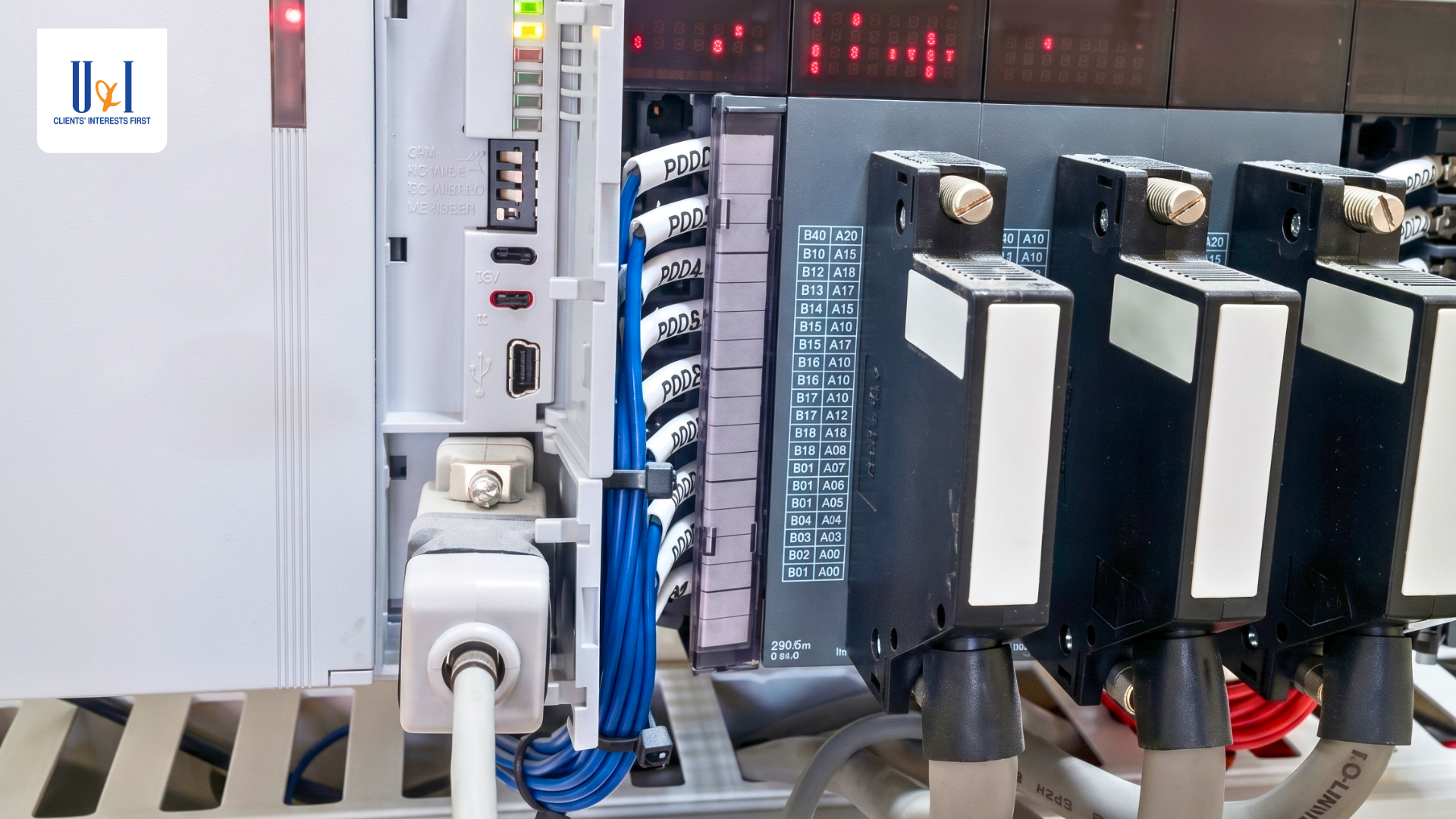
Electronics export processing enterprises can clear 100% of their declarations yet still face the risk of tax reassessment and post-clearance penalties. Circular 121/2025/TT-BTC, effective from February 1, 2026, increases these requirements.


