

22/09/2026
From September 12, 2026, Circular 42/2026/TT-BCT officially took effect, publishing the detailed list of 31 lines of dual-use goods under the management authority of the Ministry of Industry and Trade. A high-power DC power supply unit or a chemical of special purity may carry an HS code and tariff rate not significantly different from ordinary commercial goods, but still fall under control when carrying out export, temporary import for re-export, border-gate transfer, transshipment, or transit, if it simultaneously meets the HS code, description, and technical threshold under the catalog.

High-power DC power supplies, frequency converters, certain chemicals of special purity, high-tech alloys, and unmanned aerial vehicles can simultaneously serve civilian activities and strategic technology applications. That is the nature of dual-use goods. The catalog issued under Circular 42/2026/TT-BCT includes 31 commodity lines across four technical groups: electronics; chemicals; metals and alloys; and unmanned aerial vehicles.
The fundamental distinction between dual-use goods and ordinary commercial goods lies in the determination criteria. Based on the strategic trade control legal framework specified in Decree 259/2025/ND-CP and Circular 42/2026/TT-BCT, a commodity only falls under license control when it simultaneously satisfies three technical factors:
This leads to the reality: two shipments sharing the same 8-digit HS code on the import-export tariff schedule may still be subject to two different legal regimes depending on the actual technical parameter table; and an HS code that does not appear complex may still contain a commodity falling under strategic security control. Moreover, the dual-use goods control regime does not stop at the physical attributes of the product but extends to the appraisal of the purchasing entity and the end-use purpose. This is an equation integrating in-depth technical classification with foreign trade transaction risk control. An ordinary logistics process — which approaches HS codes solely for tax calculation purposes — can easily overlook mandatory conditions, causing a shipment to fall into a state of lacking the specialized permit required under the new regulations.
Licensing Process and Customs Procedures for Dual-Use Goods
The process for handling a transaction subject to dual-use goods control can be organized into 4 steps:
Step 1 — Pre-inspection of technical parameters: Before signing a contract or placing an order, businesses cross-check the manufacturer's technical parameter table against the HS code, description, and technical/technological characteristic thresholds in Circular 42/2026/TT-BCT. In cases where the parameters fall below the control threshold, businesses should still retain the technical justification documentation to present to management authorities or customs authorities when requested.
Step 2 — Appraisal of the buyer and end-use purpose: Businesses collect commitments from the importer/end user, confirming that the goods will not be used to produce weapons of mass destruction and will not be supplied to designated organizations or individuals; at the same time, they retain information about the receiving legal entity, place of use, and end-use purpose.
Step 3 — Submission of the licensing application: For the 31 commodity lines under Circular 42/2026/TT-BCT, applications are submitted to the Ministry of Industry and Trade under Decree 259/2025/ND-CP before carrying out the export activity or the transaction type subject to licensing. For dual-use commodity groups under other management ministries, the licensing authority is determined according to Appendix I of Decree 259/2025/ND-CP.
Step 4 — Declaration and customs procedures: Declaring license information and presenting/providing related documentation as required by the customs authority; ensuring that information on the declaration is consistent with the license, the technical characteristics of the goods, the recipient, and the transport route.
Documentation list:
To identify appropriate management solutions, one must correctly analyze the classification structure of Circular 42/2026/TT-BCT. For each commodity line, the catalog prescribes the HS code, goods description, technical/technological characteristic standards, and the reference ECCN code from the European Union's dual-use goods list. The ECCN code in Circular 42 serves reference purposes only; determining whether goods fall under control is still based on the HS code, description, and technical/technological characteristics under Vietnamese regulations. Therefore, the technical documentation must clarify the HS code, goods description, technical/technological characteristic thresholds, and the corresponding reference ECCN code.
This is the basis on which U&I Logistics, in its role as a customs brokerage agent, supports businesses in pre-inspecting HS codes, cross-checking descriptions and technical parameters against the current catalog, standardizing the documentation set, and identifying the licensing procedures required before the goods are moved across the border.
Solutions for Dual-Use Goods
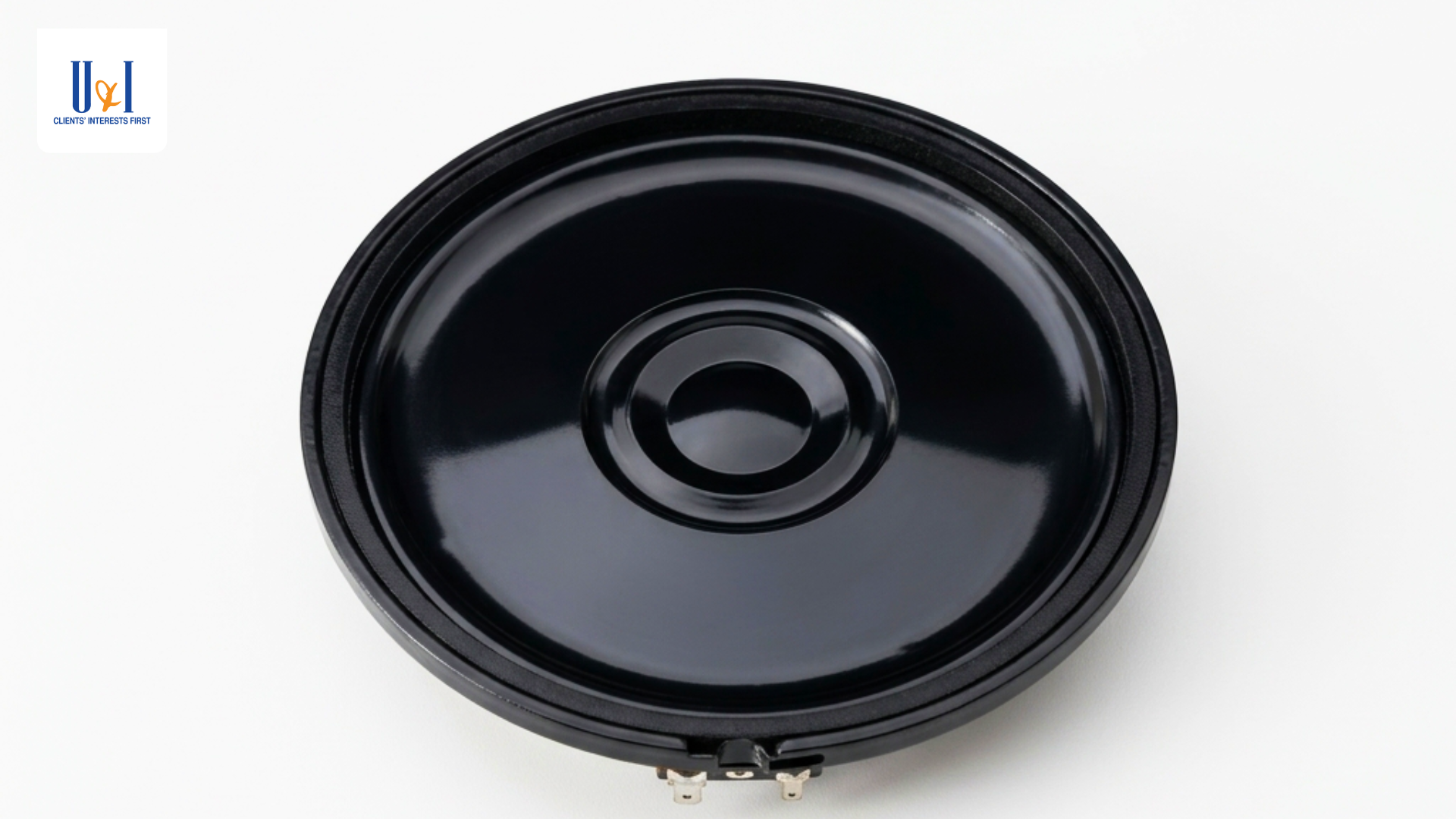
The first condition is the transparency and readiness of the product's technical documentation. Businesses cannot determine the dual-use management category without detailed data on operating voltage, operating frequency range, rated power, chemical purity, or equipment tolerance level.
The second condition is establishing an output control mechanism for commercial transactions. Businesses need to appraise the buyer's identity and confirm the end-use purpose, rather than focusing only on customs clearance procedures at the border.
The third condition is completing licensing procedures before carrying out transactions subject to control. For ordinary goods, certain errors in HS code or dutiable value can be resolved through the supplementary declaration mechanism and the fulfillment of arising tax obligations. For dual-use goods, carrying out activities subject to licensing without a license may lead to enforcement action under foreign trade, customs, and related regulations; and may give rise to the risk of license revocation or transaction disruption.


22/09/2026
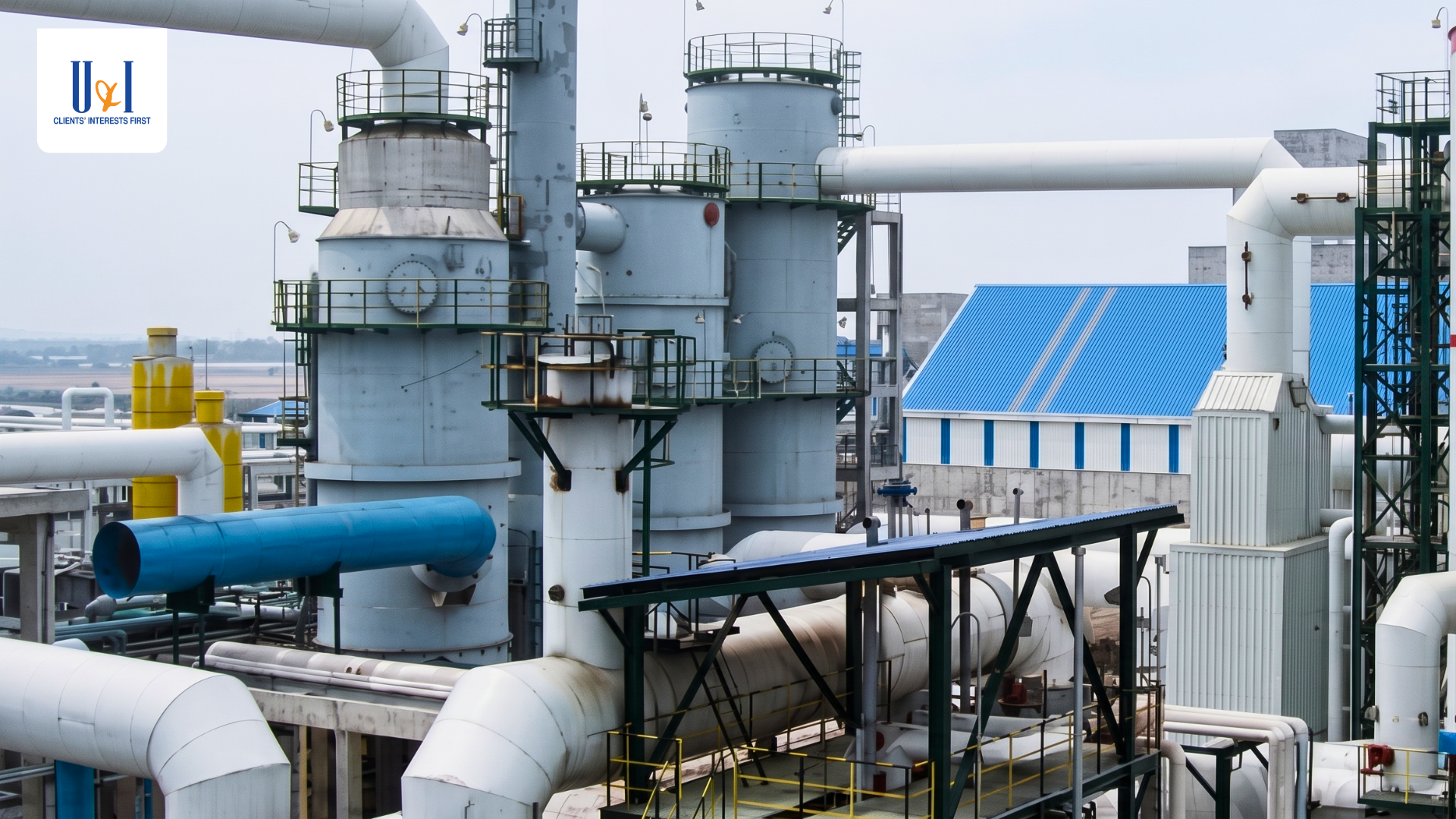
Decree 292/2026/ND-CP, effective from September 5, 2026, replaces Decree 69/2018/ND-CP, updating the prohibited goods list according to AHTN 2022 with 23 groups prohibited from import and 10 groups prohibited from export, tightening HS code compliance and adding provisions prohibiting goods produced through forced labor.
22/09/2026
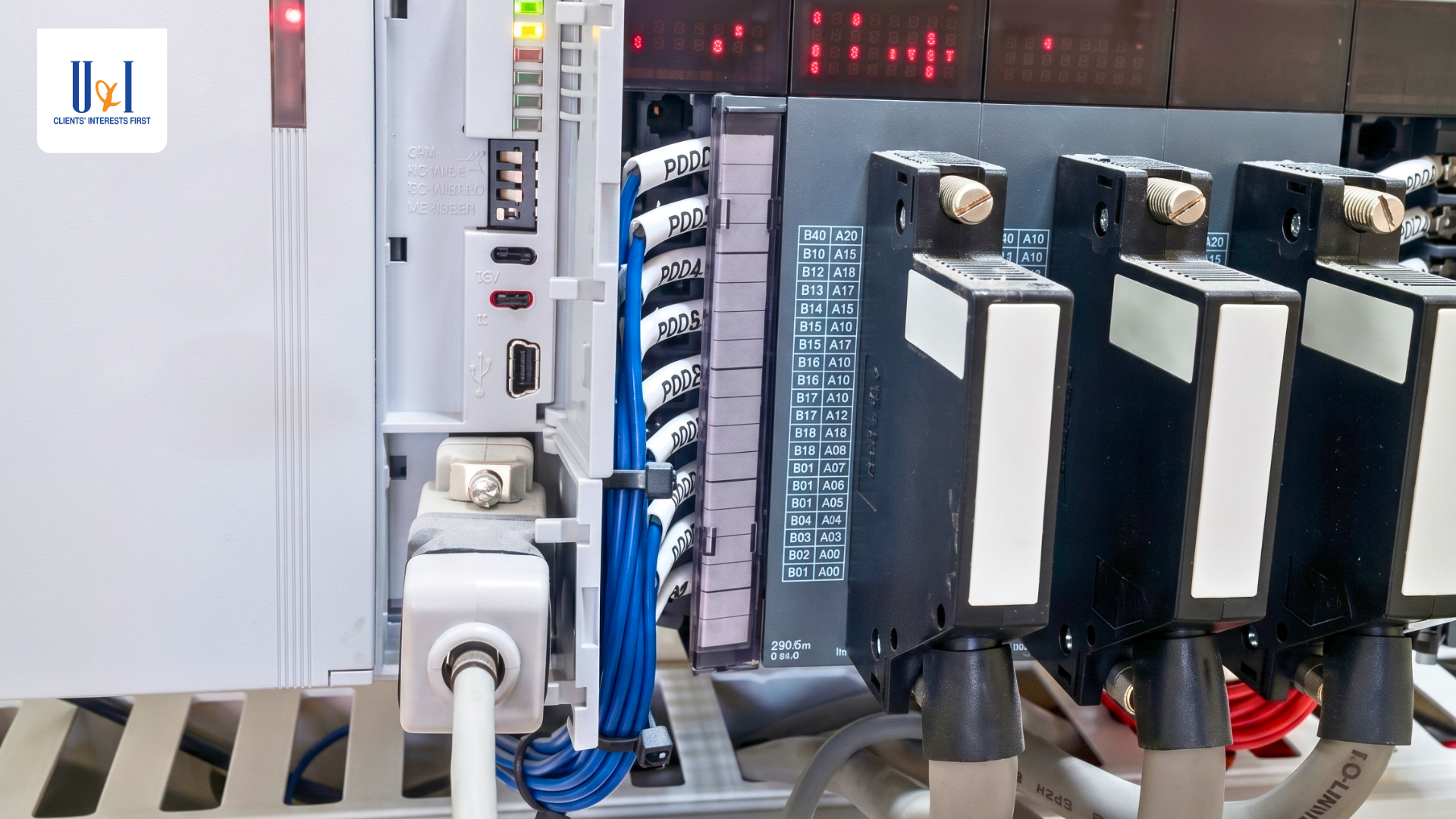
Electronics export processing enterprises can clear 100% of their declarations yet still face the risk of tax reassessment and post-clearance penalties. Circular 121/2025/TT-BTC, effective from February 1, 2026, increases these requirements.

22/09/2026
The 2026–2030 period is a pivotal time for Vietnam to transition from processing to a complete semiconductor ecosystem, but logistics costs of 16.8–17% of GDP and an LPI ranking of 43/139 are the barriers forcing logistics enterprises to shift their role from standalone logistics to comprehensive integration.


