

12/10/2026
A container of wooden furniture shipped from the Ho Chi Minh City port cluster or Cai Mep – Thi Vai bound for the US West Coast maintains an average journey of about three weeks at sea. During those three weeks, inside the sealed steel container, the day-night temperature differential across tropical waters is enough for moisture to condense into the phenomenon of “container rain”; meanwhile, natural wood — porous and hygroscopic by nature — easily warps, develops surface cracks, or grows mold when the container is opened at the destination. For the wood processing industry, one of the major risks to shipment value typically arises precisely within this maritime shipping corridor.
Why Wooden Furniture Logistics Carries High Distinctivenes

Wood and furniture products are simultaneously subject to two technical pressures that few manufacturing industries face, and both only become clearly visible once an incident has arisen:
The first pressure is physical: humidity control. Wood is a moisture-sensitive material, continuously contracting or expanding according to variations in the surrounding environment (based on the principle of Equilibrium Moisture Content – EMC). A batch of tables and chairs meeting the technical standard for moisture content (MC from 8% to 12%) at the production facility still faces the risk of quality degradation after a long sea voyage if the packing process or transit storage takes place in a humid environment. This risk is not visible on the maritime freight rate quotation sheet, but is only identified when the customer opens the container at the receiving warehouse on the other side.

The second pressure is regulatory: the accountability for proving origin. The legal framework in key consumer markets is simultaneously tightening compliance standards. In the US market — the destination for about half of Vietnam’s wood export turnover — the Lacey Act prescribes the obligation to declare detailed scientific names (genus and plant species), country of harvest, and legal origin evidence for most imported wood products. Accompanying this are the stringent anti-circumvention trade defense investigations (AD/CVD) by the US Department of Commerce (US DOC) on kitchen cabinet and plywood product categories.

In parallel, global sustainability standards are also reshaping the rules of the game: the European Union’s Deforestation Regulation (EUDR) requires geolocation data down to each cultivation plot; while in the domestic market, Decree 37/2026/ND-CP has added the operational framework for product and goods traceability. Following this, Decree 372/2026/ND-CP, taking effect from January 1, 2027, establishes the National Platform for identification, authentication, and traceability with UID codes. For exported goods, the application under Decree 372 is in principle voluntary, except where specialized law provides otherwise, but is encouraged to meet the requirements of importing markets.
The Framework of Physical and Legal Solutions

The actual needs of the wood processing industry do not stop at a pure transport service, but require an integrated center — where both the physical quality of the product and the legal compliance of the documentation are preserved before the moment the goods are loaded onto the vessel. This solution framework is composed of three synchronized layers of protection:
The first layer is a humidity-controlled storage system. Finished wooden furniture needs to be preserved in an environment maintaining stable relative humidity (RH), combined with specialized container packing procedures. Controlling RH before packing, combined with inspecting container condition, cushioning plans, and appropriate desiccant materials, significantly reduces the risk of condensation and quality degradation during the maritime shipping process.

The second layer is establishing a coordination buffer zone for the peak season. The year-end delivery sprint to the US market concentrates a large volume of cargo into a single time window. The bonded warehouse mechanism allows businesses to consolidate, sort, and group cargo in a status of suspended tax obligations while waiting for vessel slot allocation, relieving the pressure of having to ship out or store at the factory.
The third layer is the traceability and digital compliance documentation set tied to each shipment. Origin data is standardized simultaneously according to the traceability requirements of international regulations such as the EUDR, the US Lacey Act, and Vietnam’s Decree No. 37/2026/ND-CP and 372/2026/ND-CP, operating on a supply chain security platform under strict control.
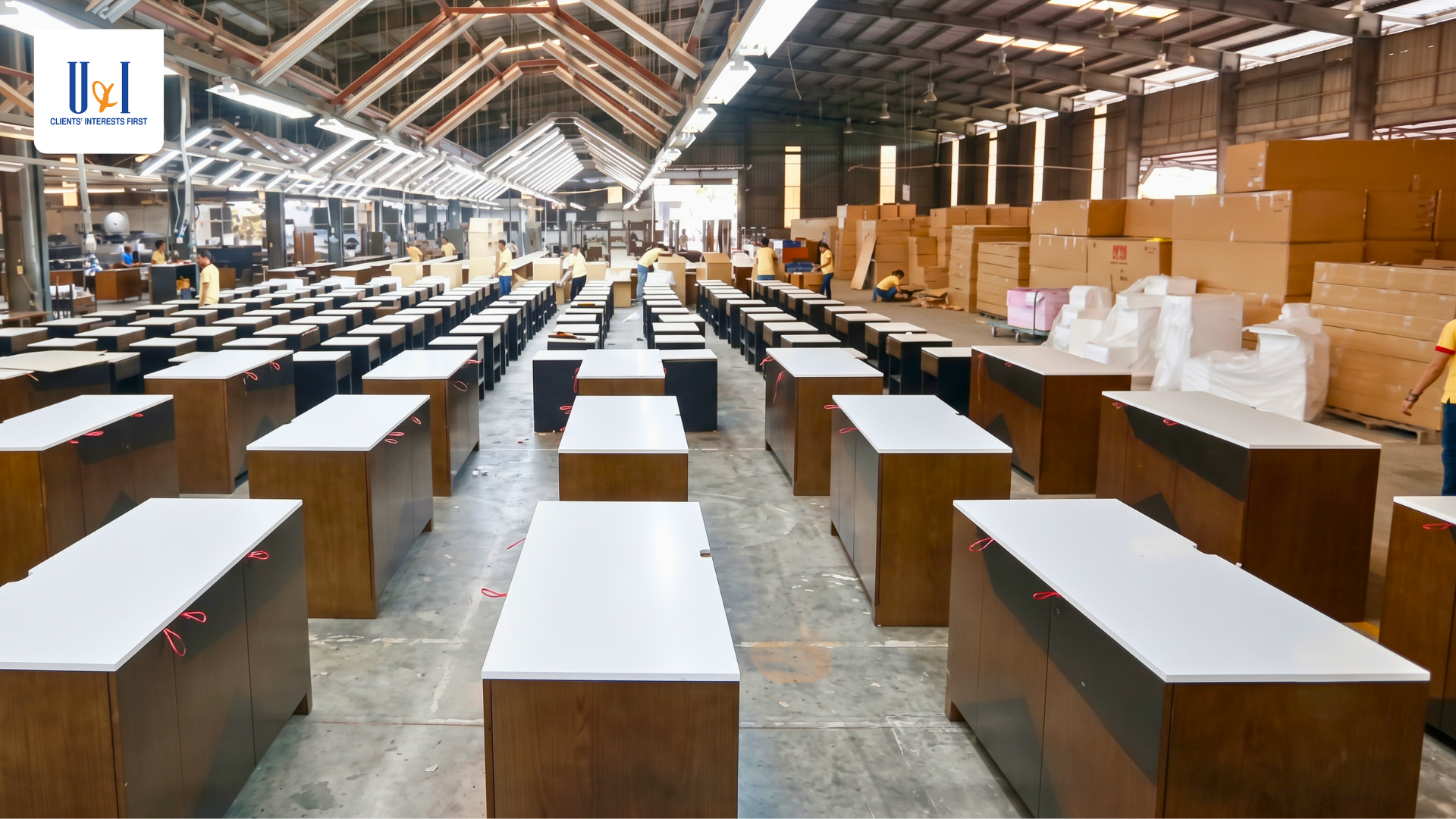
With a large-scale bonded warehouse system dedicated to the furniture industry, together with value-added logistics service procedures meeting C-TPAT security standards, U&I Logistics provides a synchronized operating solution: cargo is preserved in appropriate technical conditions, packed into containers according to export standards, and flexibly coordinated according to transport schedules, while being linked with the legal origin documentation set. This solution helps the shipment not only maintain its quality when the container is opened at the destination, but also fully meet origin justification requirements from international authorities.


12/10/2026
More than USD 8.5 billion in high-tech FDI in the first half of 2026 sets four operational barriers for the semiconductor and electronics chain. The VMI bonded warehouse is the optimal solution between storage and transport.
12/10/2026
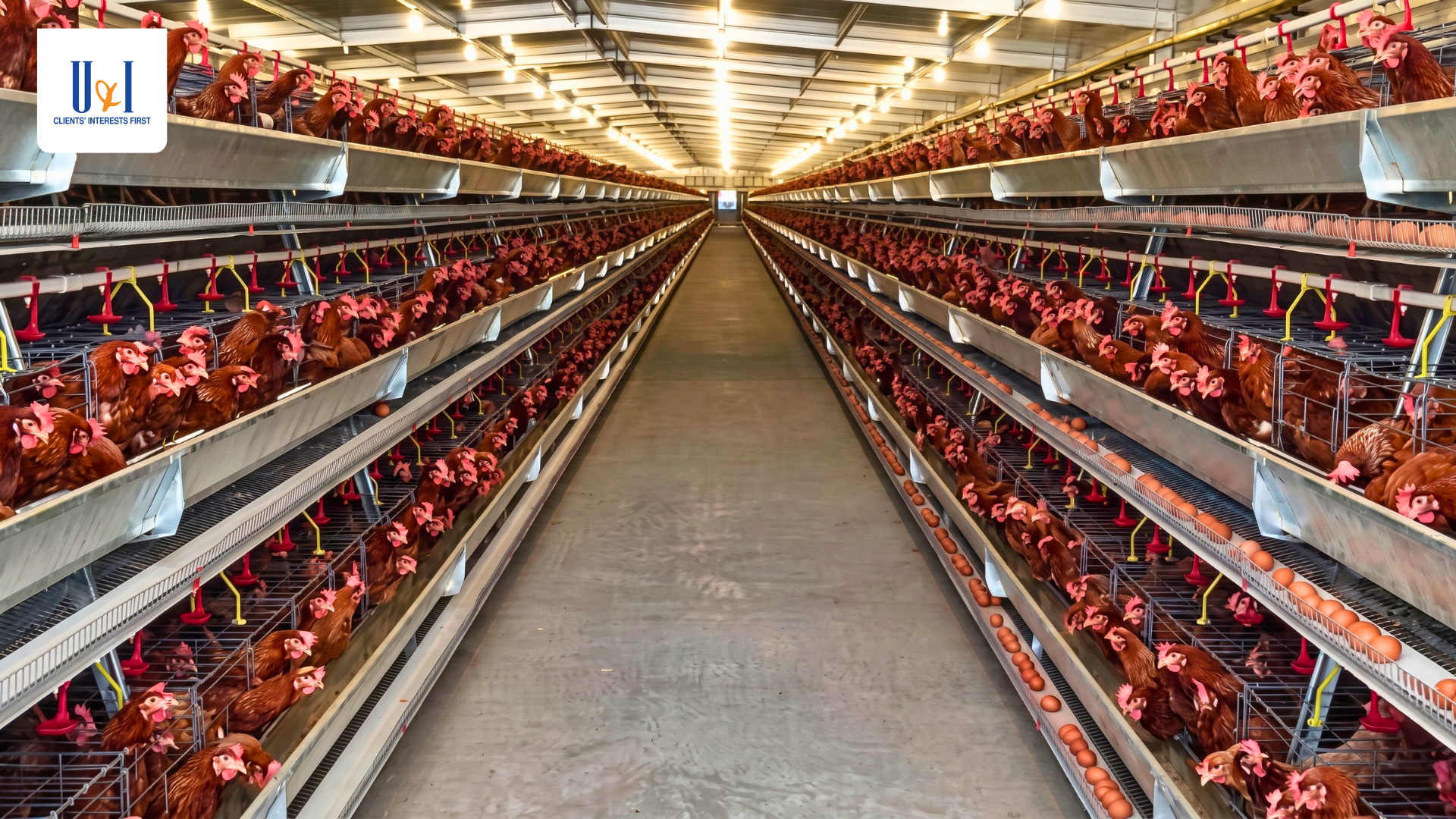
The tariff gap between in-quota and out-of-quota TRQ rates can reach 80-100% for sugar — turning the clearance equation into an equation of synchronizing vessel arrival timing with the legal effective date of the quota document. The key solution is the bonded warehouse.
12/10/2026
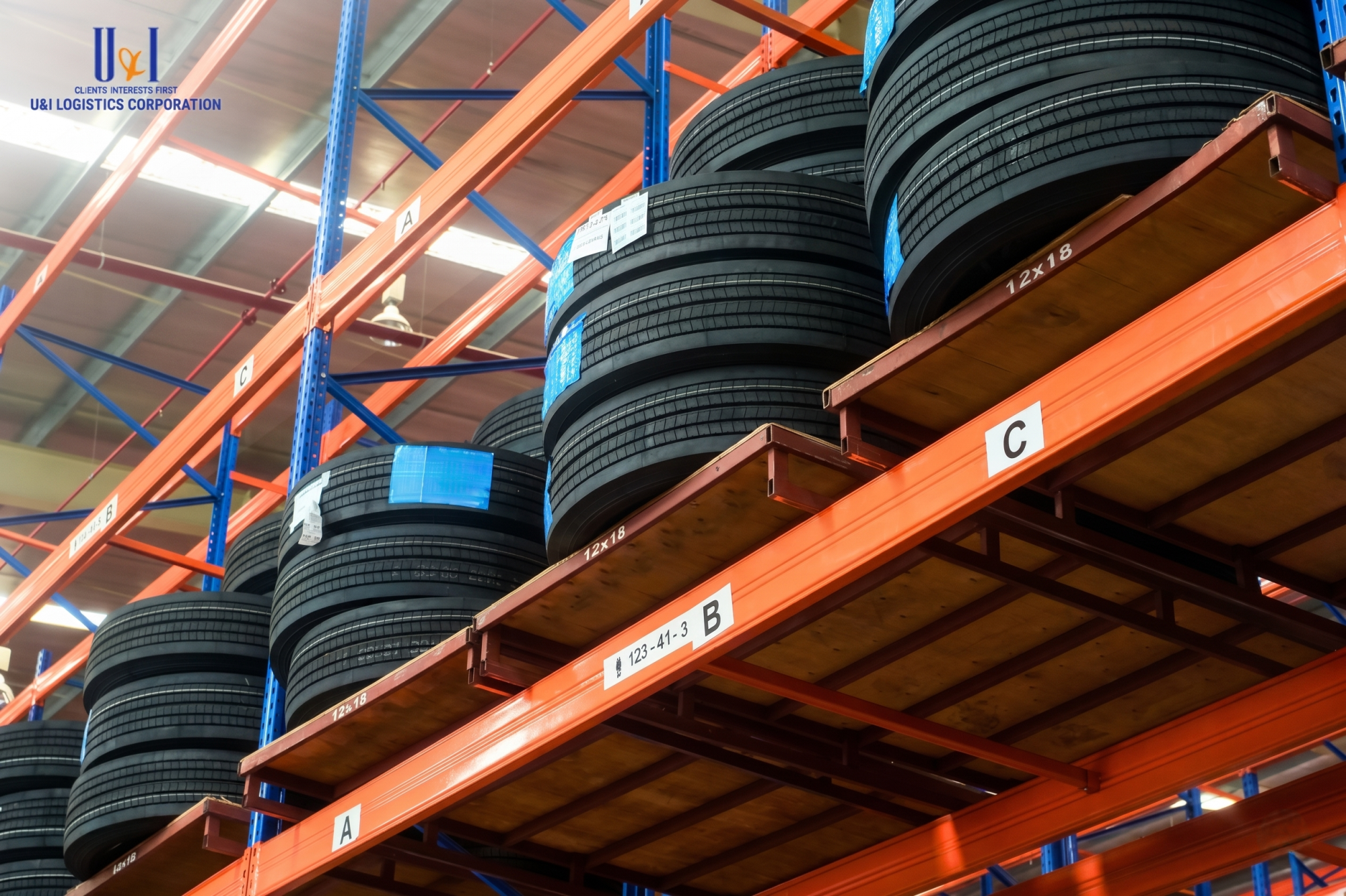
Brent oil prices broke below the USD 80/barrel mark for the first time since March 2026 following the US-Iran agreement to reopen the Strait of Hormuz, but Asia-US maritime freight rates jumping 51% in a single week may affect the cost benefits of synthetic rubber for the tire export industry.


