

31/10/2026
A foreign-invested (FDI) business distributing industrial equipment may import a shipment of spare parts and replacement components worth millions of USD, but in the first year may only sell a few percent of that total; the remainder must be kept in reserve storage, awaiting the right maintenance needs or equipment incidents arising from manufacturing plants. If import duties and value-added tax (VAT) are paid for the entire shipment the moment the container arrives at the port, the business has effectively buried a very large amount of working capital in inventory that cannot yet be converted into revenue. For industrial equipment, chemicals, and precision mechanical spare parts, the operating equation is not simply about the transport method, but lies in the legal position where the goods are held and the mechanism for managing tax obligations throughout the waiting-to-sell period.
Three Barriers for the Technical Industrial Goods Group
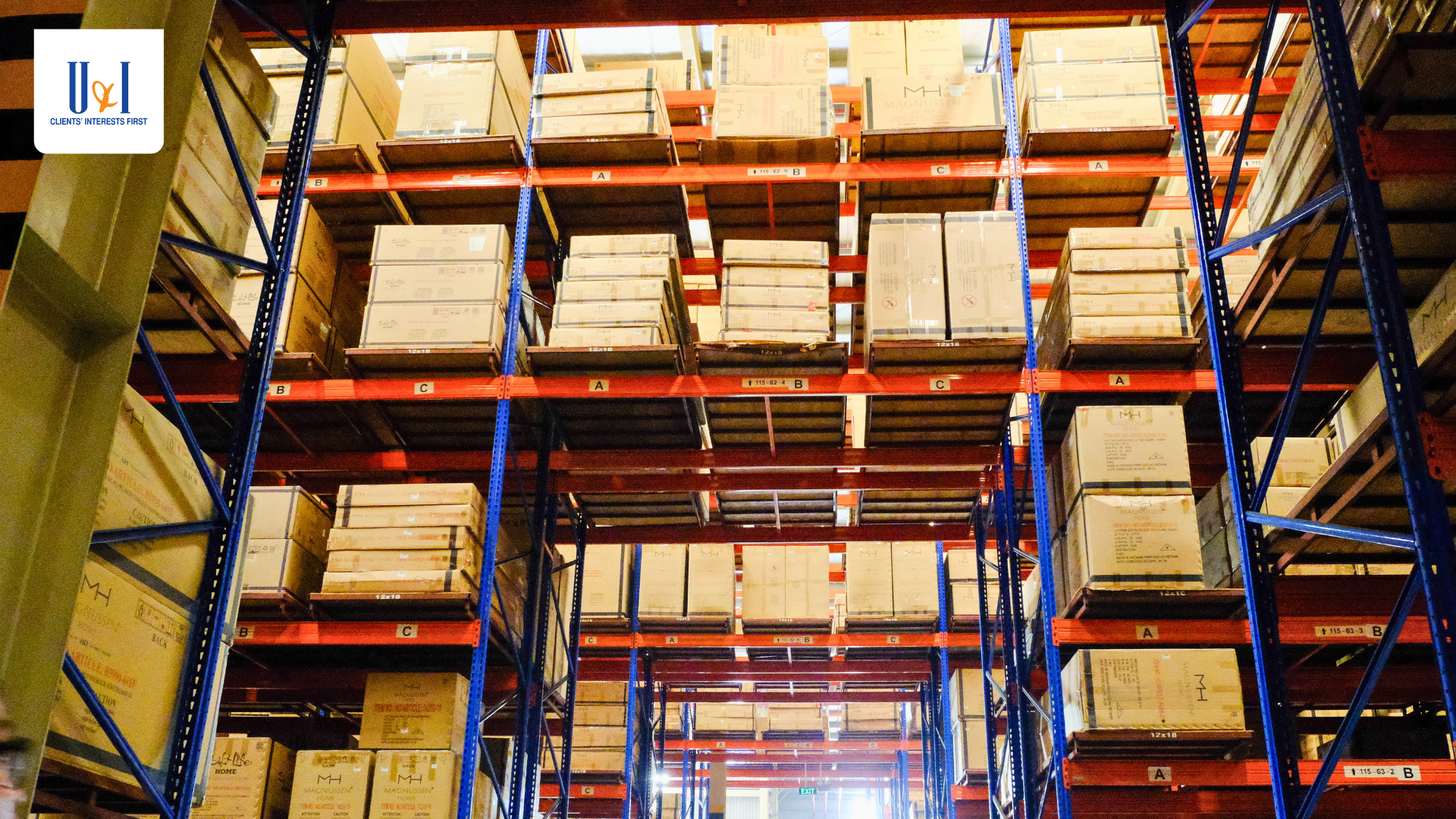
The first barrier is the economic equation of high-value inventory with dispersed demand. Industrial equipment and replacement components typically must be imported in a diverse catalog to ensure availability for factory maintenance activities, yet the frequency of order generation is sporadic and difficult to forecast accurately. A machine part may sit in the warehouse for months, even a year, before a factory encounters an incident requiring urgent replacement. The decision to import large quantities by the full container to optimize wholesale purchase prices and international freight rates is commercially reasonable; however, paying the entire import duty and VAT upfront for a catalog of goods sold in small installments significantly increases capital costs and erodes the business’s profit margins.
The second barrier is the stringent requirements for storage conditions and specialized catalog restrictions. Many precision mechanical components and industrial chemicals require specialized preservation infrastructure: humidity control to prevent oxidation, fire and explosion prevention systems, forced ventilation, and chemical spill containment barriers. In addition, businesses must strictly comply with the List of Goods Not Permitted to Be Stored in Bonded Warehouses prescribed by the Prime Minister (groups of precursors, hazardous chemicals, scrap, etc.). This requires the logistics provider to have the capability to verify the compliance status of each commodity code before establishing a storage plan.
The third barrier is the legal boundary governing commercial activities of the FDI bloc. The majority of FDI corporations in this segment both perform technical support functions for projects and directly carry out the right to wholesale distribution of components and supplies to factories in Vietnam. From October 18, 2026, these activities are directly managed under Decree No. 342/2026/ND-CP (the document replacing Decree 09/2018/ND-CP), which ties business rights to capital structure, commitments under free trade agreements (CPTPP, EVFTA), and the scope of the actual Business License.
Managing Cash Flow According to Market Demand
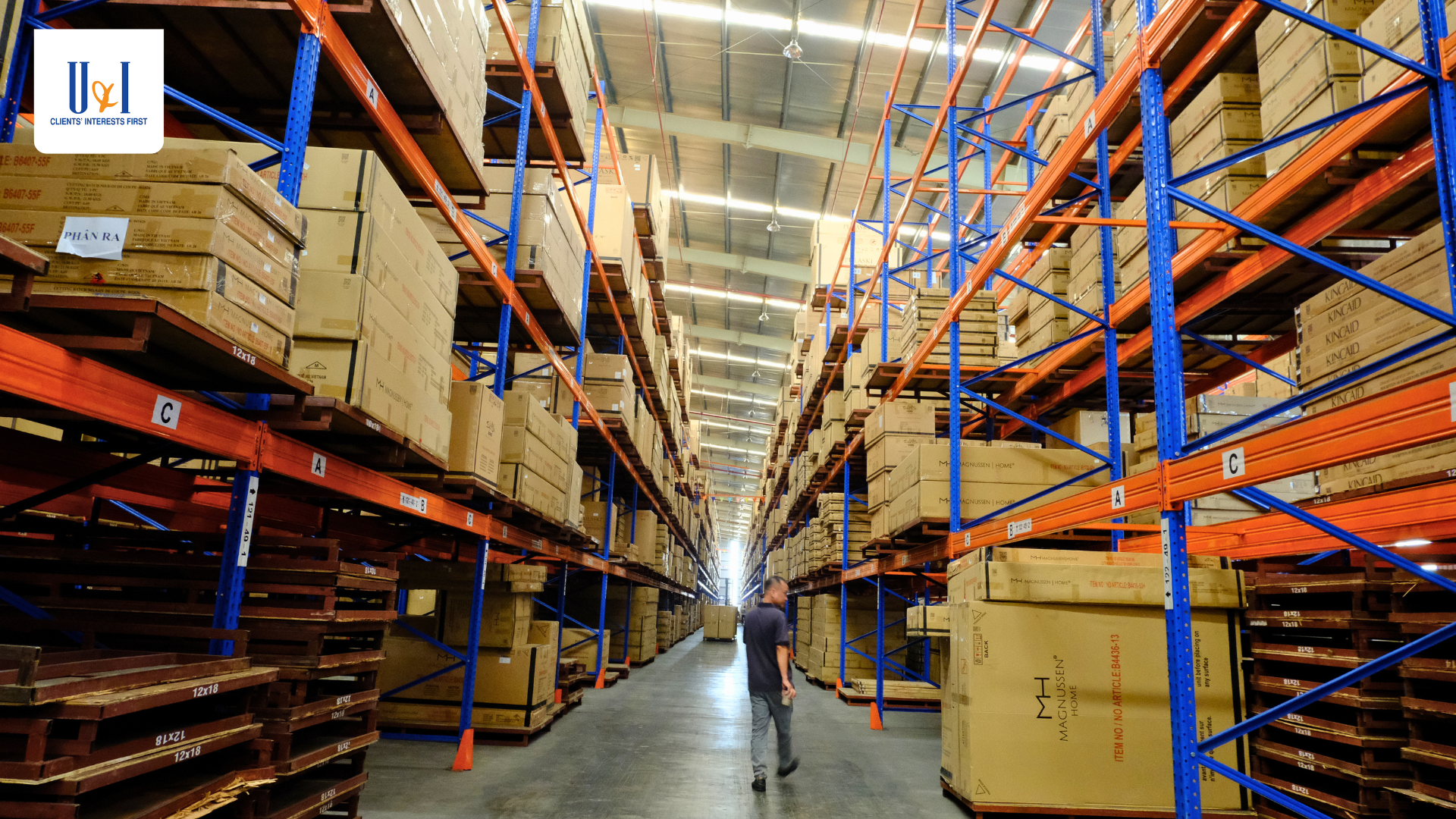
The essence of the cash flow optimization solution lies in separating the moment the goods arrive at the port from the moment the business must fulfill official import tax obligations.
A bonded warehouse is a specialized warehouse or yard area storing goods for which customs procedures have been completed but which have not yet been cleared into the domestic market. Therefore, shipments brought in for preservation here are not yet required to pay import duties and value-added tax (VAT) until the moment they undergo the warehouse release procedure to be brought into the domestic market for consumption, and this release process is fully permitted to be carried out flexibly in installments according to actual demand.
Thanks to this mechanism, a business distributing industrial equipment or spare parts can proactively import an entire large-scale shipment to enjoy the wholesale purchase price and optimize freight rates, store it safely in a status of suspended tax obligations, and then only open the customs declaration for the exact quantity of components when a sales contract with a domestic customer arise.
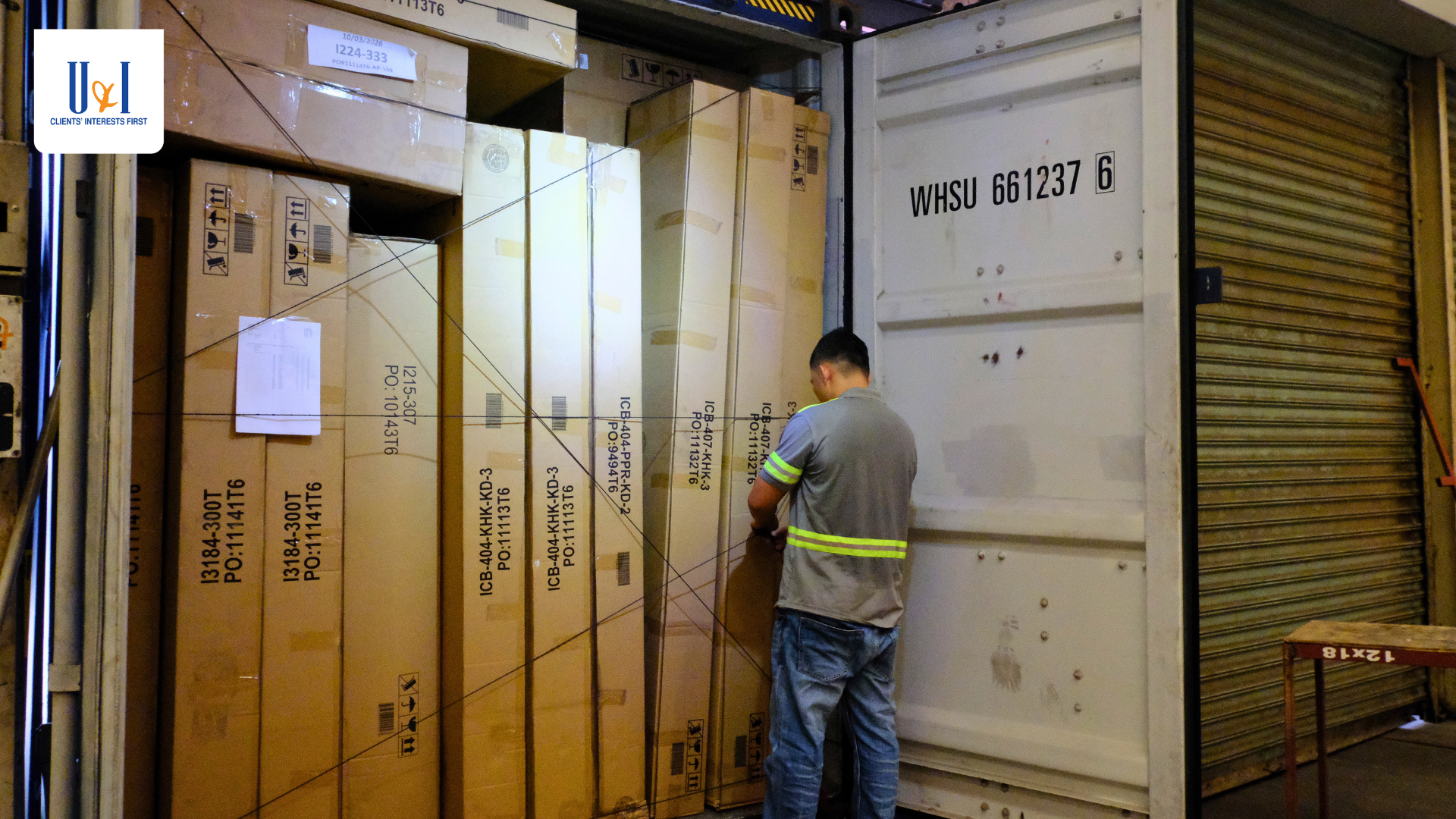
The storage period for goods in bonded warehouses is currently prescribed at no more than 12 months from the date the goods are brought into the warehouse, and may be considered for a one-time extension of no more than 12 months when there is a legitimate reason; the roadmap for amending the customs legal framework continues to be oriented toward raising the maximum storage period to 24 months from March 1, 2027, opening up operational margins and safe turnover time for commodity groups with slow turnover or dispersed maintenance needs.
However, implementing this model in practice requires synchronized standardization at two key links:
First is controlling the compliance of goods and the technical standards of the warehouse yard: Businesses need to cross-check the list of goods intended for storage against the List of Goods Not Permitted to Be Stored in Bonded Warehouses prescribed by the Prime Minister (under Decision No. 27/2020/QD-TTg and clause 4, Article 85 of Decree 08/2015/ND-CP). At the same time, for the group of industrial chemical supplies, the warehouse yard must fully meet specialized technical regulations on storage zoning, forced ventilation, spill prevention, and fire prevention and firefighting safety approval under chemical law regulations.
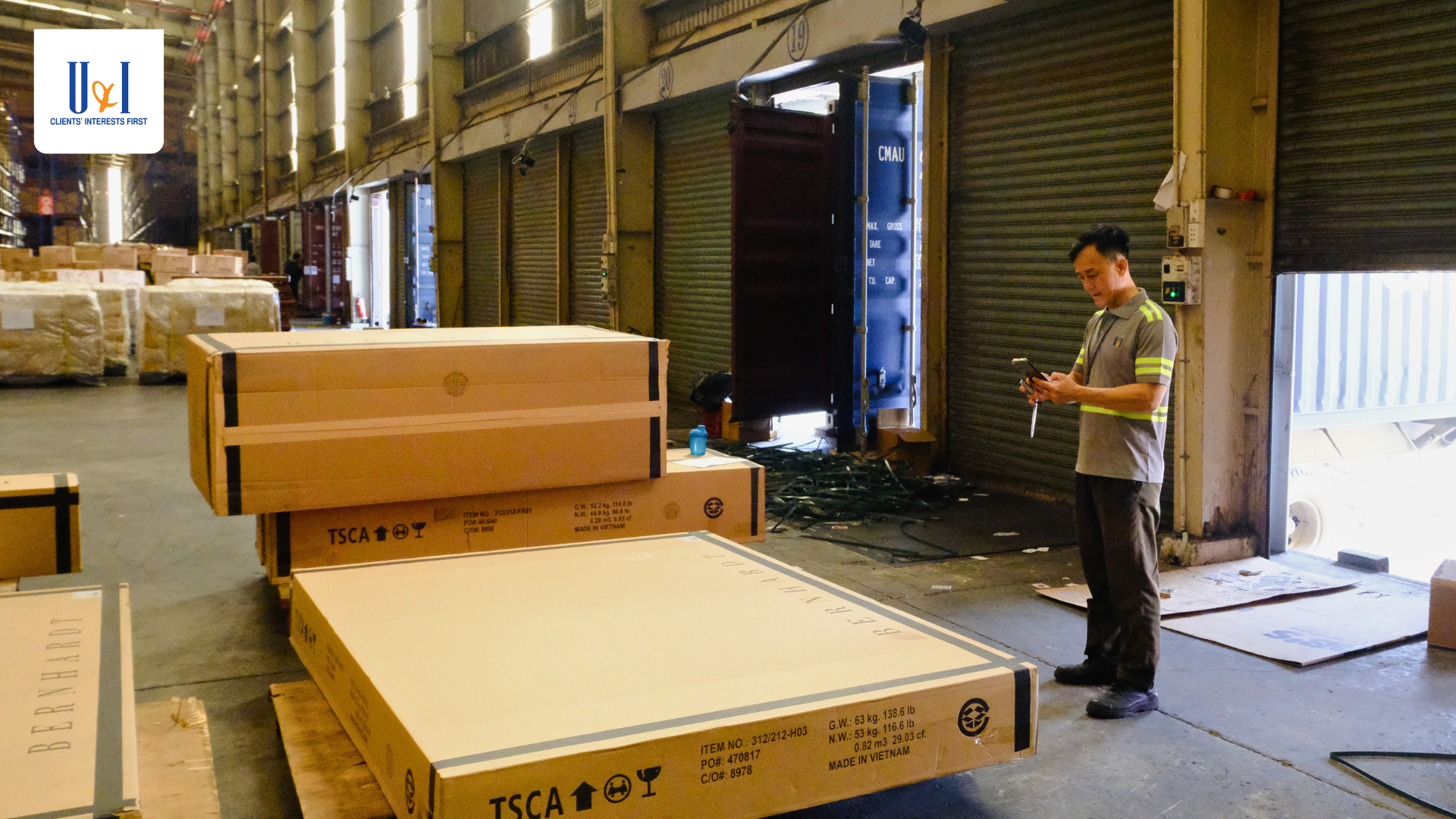
Linking the warehouse structure with the scope of distribution rights under Decree No. 342/2026/ND-CP: The bonded warehouse system serves as a tool to support the deferral of tax obligations and proactive clearance timing, but cannot substitute for the Business License that an FDI legal entity must possess in order to exercise distribution rights in the Vietnamese market. If a business has not completed the registration of wholesale or retail distribution rights corresponding to the commodity industry code, opening a declaration to bring goods from the bonded warehouse into the domestic market to deliver to end-user factories will face the risk of being subject to administrative penalties for commercial activities.
This is the basis on which a provider such as U&I Logistics affirms its capability. With a large-scale bonded warehouse system meeting C-TPAT standards combined with customs brokerage capability, U&I Logistics provides a complete operating structure: goods are stored in the bonded warehouse and brought into the domestic market in batches, matching usage or distribution needs. Through this, businesses can allocate the timing of fulfilling import duty and VAT obligations according to their actual import plan, reducing the amount of capital that must be advanced for inventory.
The Model Does Not Deliver the Same Level of Effectiveness for Every Business
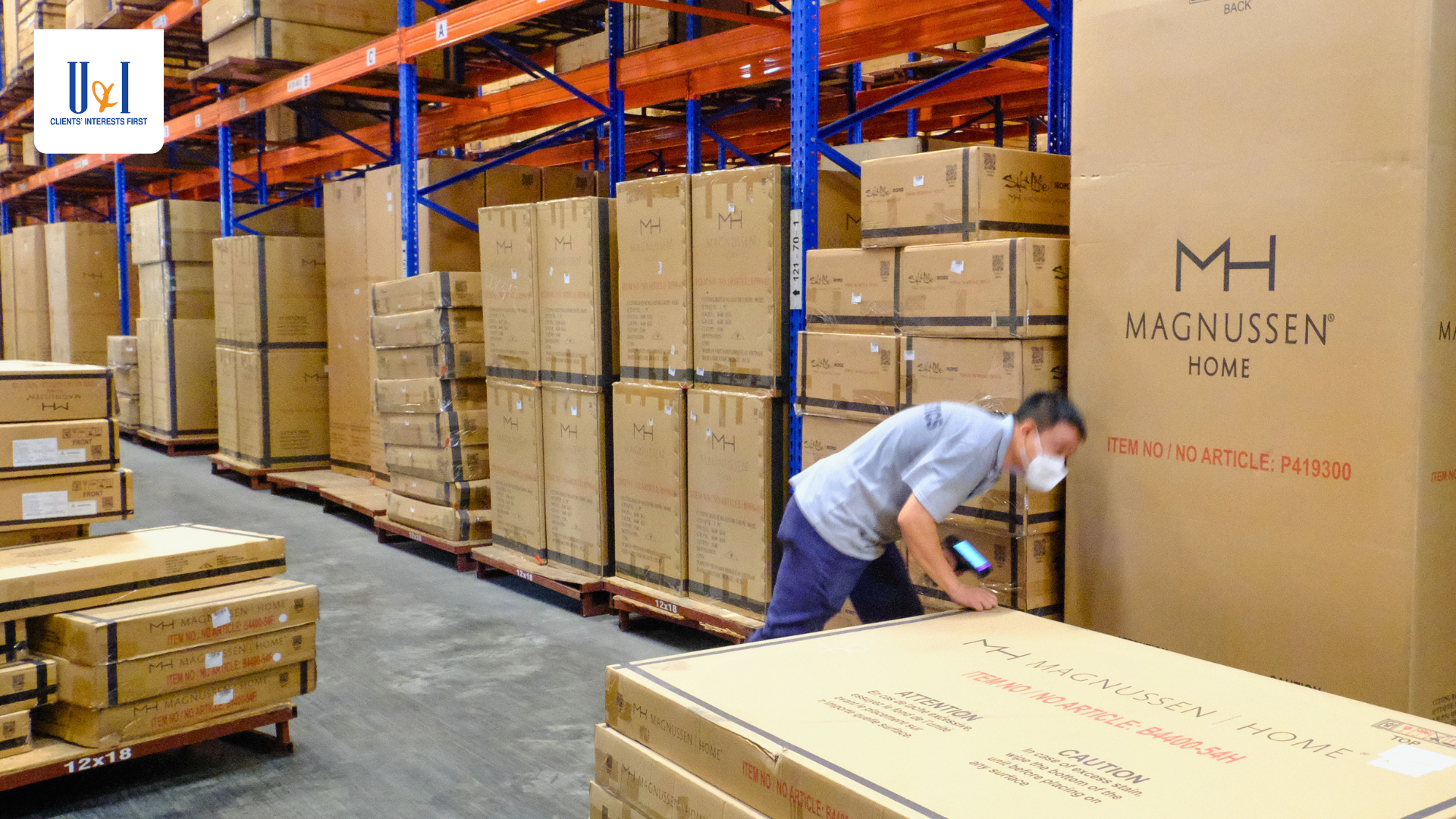
The tax-deferred storage model does not deliver the same level of effectiveness for every business. To convert this logistics structure into a specific financial and legal advantage, businesses need to fully meet three core operating conditions:
The first condition is the compliance of distribution rights under Decree No. 342/2026/ND-CP. The bonded warehouse system has the capability to postpone the moment tax obligations arise, but cannot substitute for the business’s legal commercial status. If wholesale distribution rights have not been appropriately licensed in the Business License, businesses will face major obstacles when opening declarations to convert the operating type from the bonded warehouse into the domestic market to deliver goods to factories or end-user partners. Reviewing and strengthenin.g the scope of commercial activity is a mandatory prerequisite before placing goods into the tax-suspended storage chain.
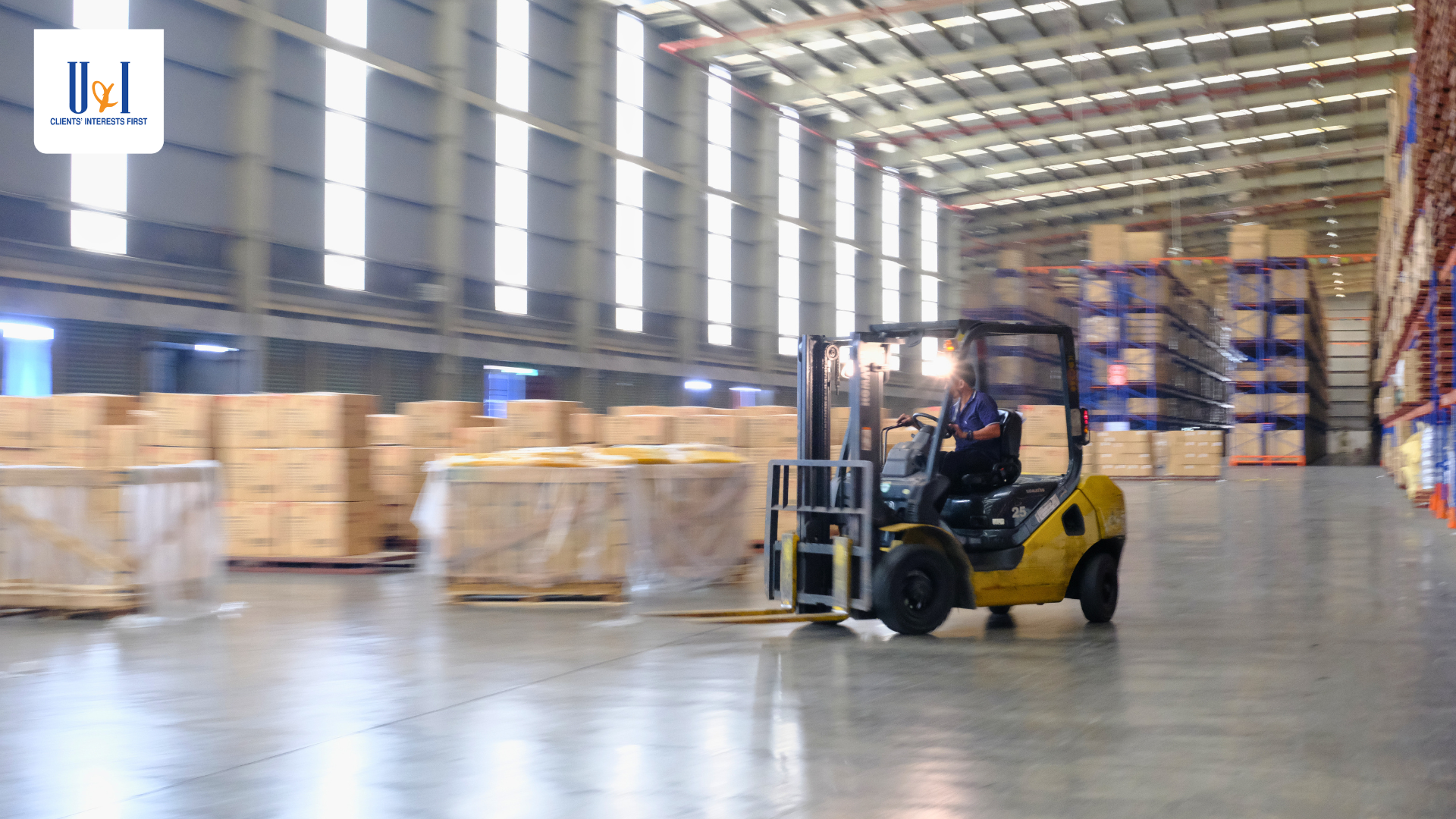
The second condition is compatibility in terms of goods characteristics and the economic equation of inventory. This mechanism delivers optimal financial effectiveness for commodity groups with high commercial value, broad catalogs, but dispersed demand turnover (typically MRO equipment spare parts, precision mechanical components, and specialized industrial chemicals). In this segment, the opportunity cost of deferred tax capital is significantly greater than the cost of renting specialized warehouse space. Conversely, for groups of low-value goods or those with rapid turnover under 30 days, the costs arising from batch-by-batch declaration procedures will erode the margin of economic benefit.
The third condition is discipline in controlling the storage period and inventory data. Goods brought into the bonded warehouse are subject to strict time management under the provisions of the Customs Law (a 12-month period and one extension of up to 12 months). Allowing goods to remain beyond the permitted period without proactively carrying out extension or clearance procedures will cause businesses to face retroactive tax assessment decisions and heavy administrative penalties under the provisions of Decree No. 169/2026/ND-CP, and may lead to measures of forced re-export or confiscation of goods.


31/10/2026
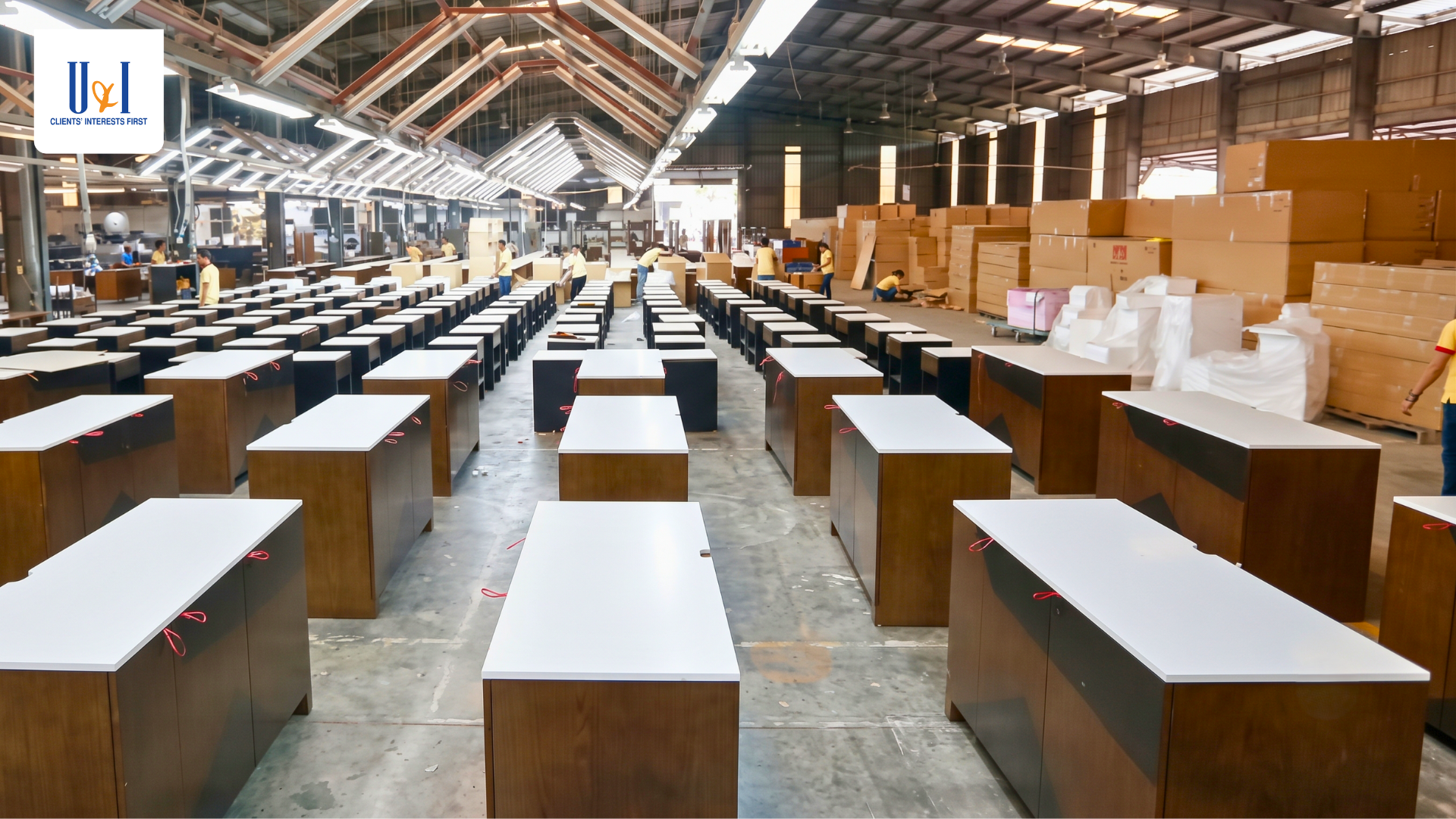
Wooden furniture containers heading to the US simultaneously bear two pressures: “container rain” damaging wood during the 3-week sea leg, and traceability obligations under the Lacey Act, EUDR, and Decree 372/2026/ND-CP — requiring humidity-controlled bonded warehouses alongside digitized documentation meeting C-TPAT standards.
31/10/2026
More than USD 8.5 billion in high-tech FDI in the first half of 2026 sets four operational barriers for the semiconductor and electronics chain. The VMI bonded warehouse is the optimal solution between storage and transport.
31/10/2026
The tariff gap between in-quota and out-of-quota TRQ rates can reach 80-100% for sugar — turning the clearance equation into an equation of synchronizing vessel arrival timing with the legal effective date of the quota document. The key solution is the bonded warehouse.


