

04/06/2026
Vietnam's manufacturing PMI for May 2026, just released, reached the threshold of 52.8 points — the highest level since February 2026 (the period right before the outbreak of conflict in the Middle East). This is evidence of the strong recovery pace of the processing and manufacturing bloc, as factories actively ramped up raw material stockpiling to clear their backlog of orders.
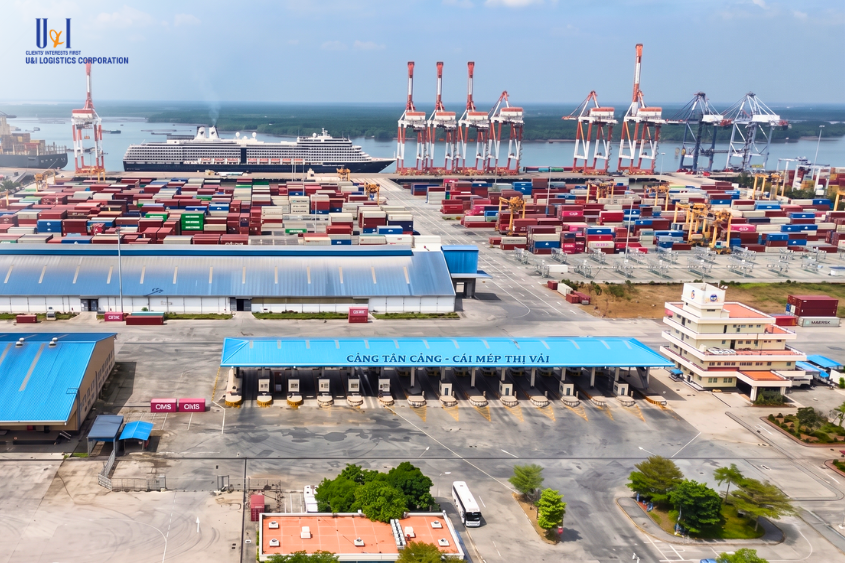
Yet at the very same moment, the international maritime transport market sent out extreme signals: major shipping lines simultaneously imposed peak season surcharges (PSS) of up to USD 2,000/FEU on routes to North America.
The opposing motion between domestic production momentum and the global logistics cost barrier is reshaping a challenging scenario for export enterprises in the final two quarters of 2026.
The ASEAN Picture
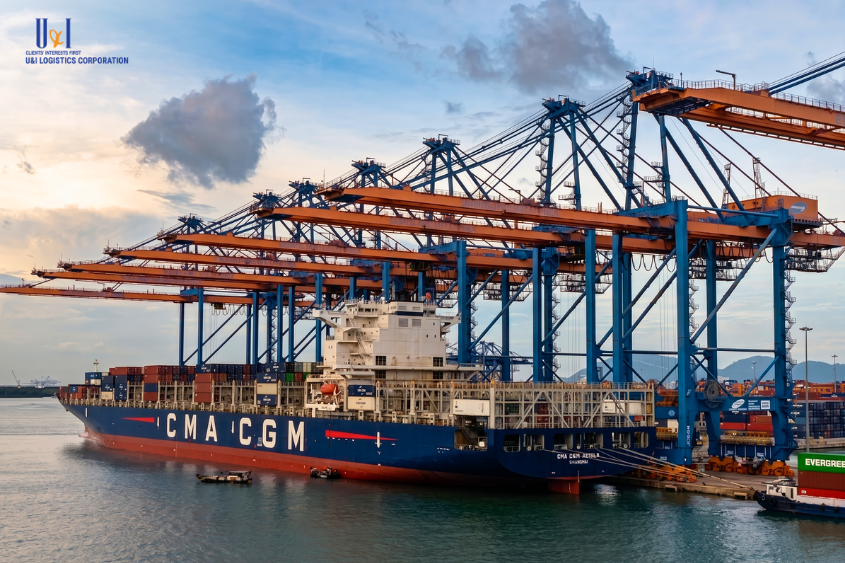
Production recovery and rising transport prices are occurring simultaneously, rather than sequentially as in previous cycles. This situation is no longer an isolated story; it is sweeping across the entire ASEAN manufacturing map, where Southeast Asia is witnessing a rare phenomenon: production recovery and rising transport prices occurring simultaneously, rather than sequentially as in previous cycles. Manufacturing PMI simultaneously entered the expansion zone in May: Vietnam (52.8), Indonesia (50), the Philippines (50.8), Thailand (52.6); while liners announced a progressive PSS schedule of USD 1,500–2,000/FEU (Asia–US route) and USD 1,200–1,600/FEU (Asia–Europe route).
The mechanism behind this skyrocketing price hike stems from the simultaneous release of consumer orders pent up from the 2024–2025 period in developed markets, colliding directly with the structural inelasticity of maritime shipping capacity — a lingering consequence of the Suez Canal route crisis, which forced sea routes to detour around the Cape of Good Hope, prolonging the rotation cycle of equipment and empty containers.
Within that macroeconomic configuration, Vietnamese export enterprises, despite holding a position of order growth, still face significant indirect pressure, even when operating under the traditional delivery method of FOB (Free on Board). When PSS surcharges escalate, buyers tend to delay bookings for non-urgent shipments while waiting for the market to cool down.
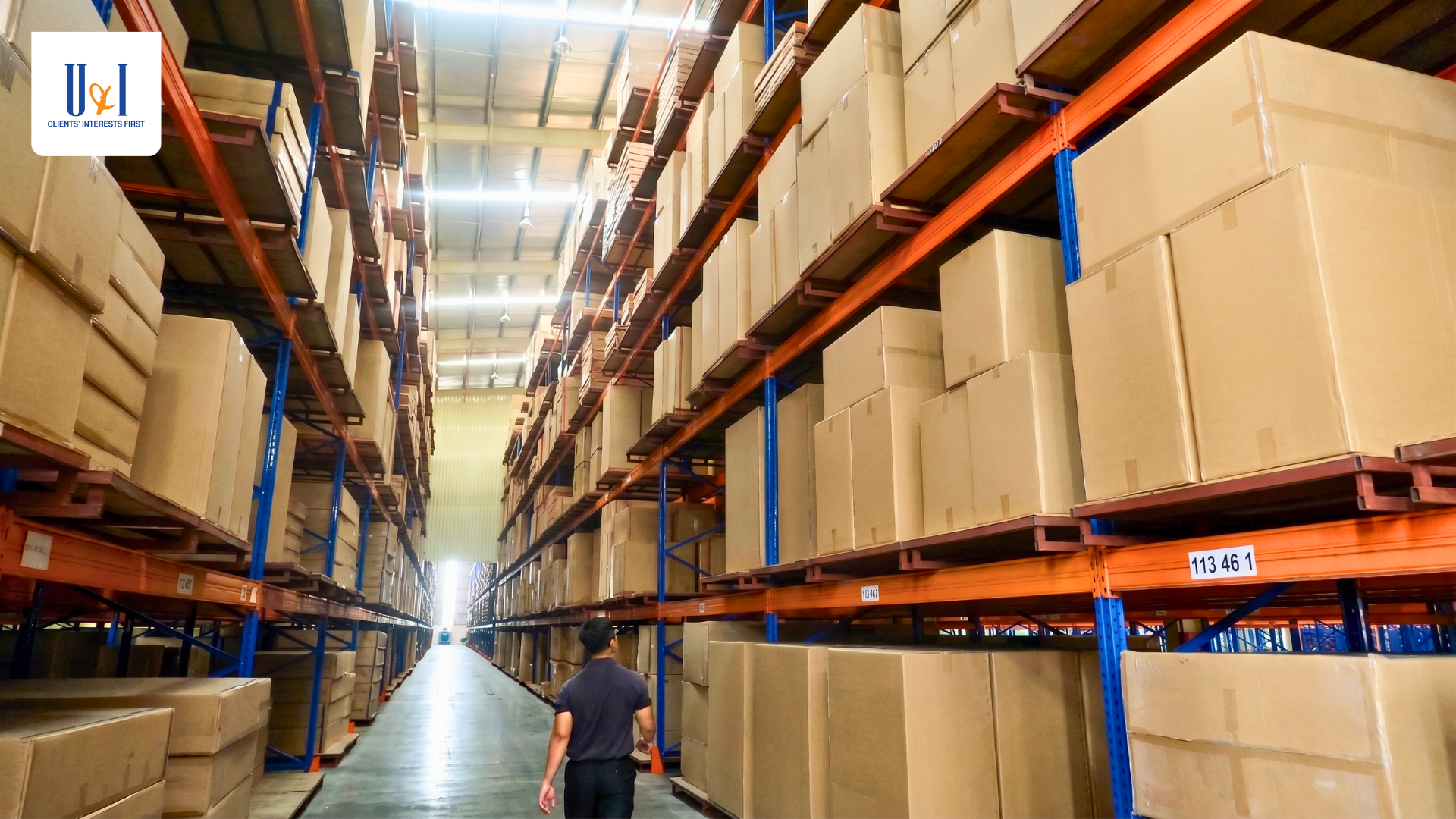
The consequence is that finished goods, despite having been assembled on schedule, must remain stored in Vietnam. The entire financial pressure immediately bounces back onto the domestic manufacturing business: warehouse and yard storage costs surge, working capital becomes frozen in inventory, and the tax refund cycle is prolonged.
The rise in the PMI index, if accompanied by increased orders, increased raw material purchases, and increased safety stock, means that businesses must scale up their working capital. When this pressure resonates with the wave of rising PSS surcharges, the risk of liquidity tightening will rebound onto the system abruptly.
Therefore, businesses must build stress-test scenarios with large reserve margins for cost fluctuations. The lack of a contingency budget for logistics will push businesses into a dilemma: either being forced to use high-cost short-term loans to maintain the flow of goods, or having to accept production delays — a behavior that directly breaks lead-time commitments with international partners. Faced with this wave, domestic export enterprises are often isolated into two passive choices: trying to negotiate with each forwarder individually, or accepting the full PSS rate and watching profit margins be eroded. In reality, liners operate under a centralized mechanism, and there has been no precedent for negotiating PSS for each small individual bill of lading.
"A feasible measure to break this deadlock is to shift to a proactive model. When shippers integrate their volume into a consolidation ecosystem of sufficient scale, the cost burden can be fully and proactively controlled, rather than passively reacting to quotation sheets at the time of booking," shared Ms. Doan Thi Mong Dung, Deputy Director of Business Development at U&I Logistics.
This is precisely the logical foundation in the international transport solution structure that U&I Logistics is deploying for the textile, garment, and processing-manufacturing business segment. By maintaining the position of a strategic volume partner with the major shipping lines on the Trans-Pacific and Asia–Europe routes, combined with the real-time market data analysis capability of the dedicated Pricing department, this model allows the flow of business cargo to be rhythmically scheduled according to the optimal cost inflection point of the transport market, firmly protecting gross profit margins against macroeconomic cyclical fluctuations.


04/06/2026
The wave of 100+ Taiwanese semiconductor businesses surveying Sonadezi Chau Duc in July 2026 sets a new requirement for Vietnamese warehouses: the C-TPAT and TAPA FSR certifications have become mandatory passports for accessing the highest-value segment of high-tech cargo.On July 7, 2026, more than 100 businesses in the semiconductor supply chain — the majority coming from Taiwan and serving as supply partners for major corporations such as NVIDIA, Tesla, and Starlink — conducted an investment survey at the Sonadezi Chau Duc Industrial Park. This is also where the Electronic Tripod factory has just injected USD 450 million to launch Phase 1 trial operations from mid-June 2026. In the same year, Intel raised its investment commitment in Vietnam from USD 1.5 billion to USD 4.1 billion, nearly tripling in scale. These developments have been continuously assessed as a golden opportunity for the domestic warehousing industry.
04/06/2026
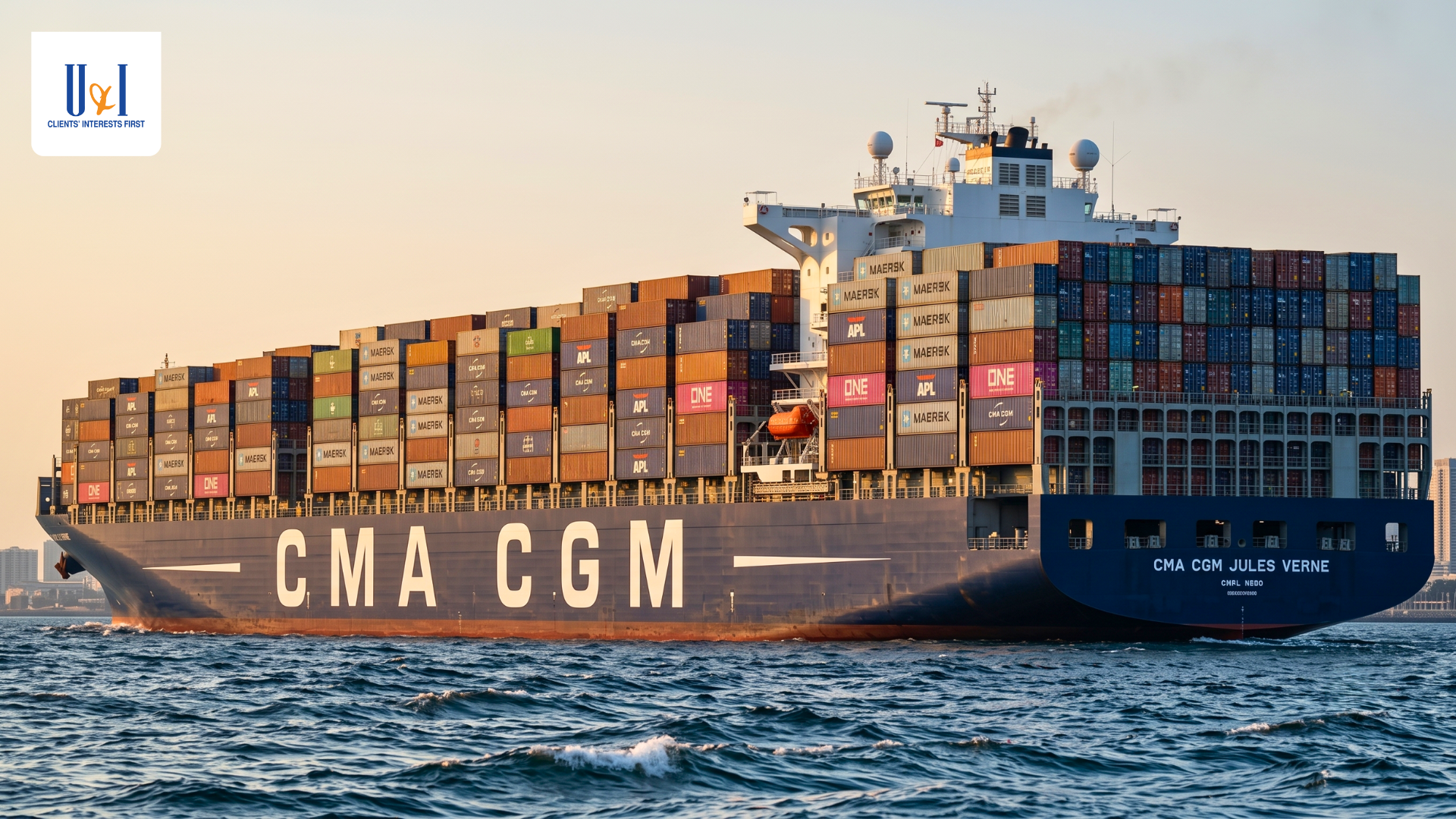
The CMA CGM acquisition of FedEx Supply Chain for USD 1.4 billion, covering 150 warehouses in North America, marks a wave of vertical integration M&A among major shipping lines, narrowing the negotiating space of shippers and highlighting the role of independent forwarders in protecting cash flow.

04/06/2026
Vietnam's agricultural, forestry, and fishery exports reached USD 35.88 billion in the first half of 2026, but reaching the USD 100 billion mark before 2030 requires growth exceeding 15% per year — forcing the industry to shift from the model of expanding output to integrated logistics management that preserves the value of agricultural products.


