

16/09/2026
Each year, regulatory authorities open only a limited quota volume for certain essential agricultural products and raw materials eligible for preferential import duty rates — a typical example being sugar, with an allocation of 133,000 tons in 2025 through a public auction. Winning an allocation in the Ministry of Industry and Trade's auction is only the starting condition. Getting the entire actual shipment of raw materials through the border gate at the time when the legal effect remains valid is the equation that determines financial performance.
The Tariff Rate Quota Mechanism
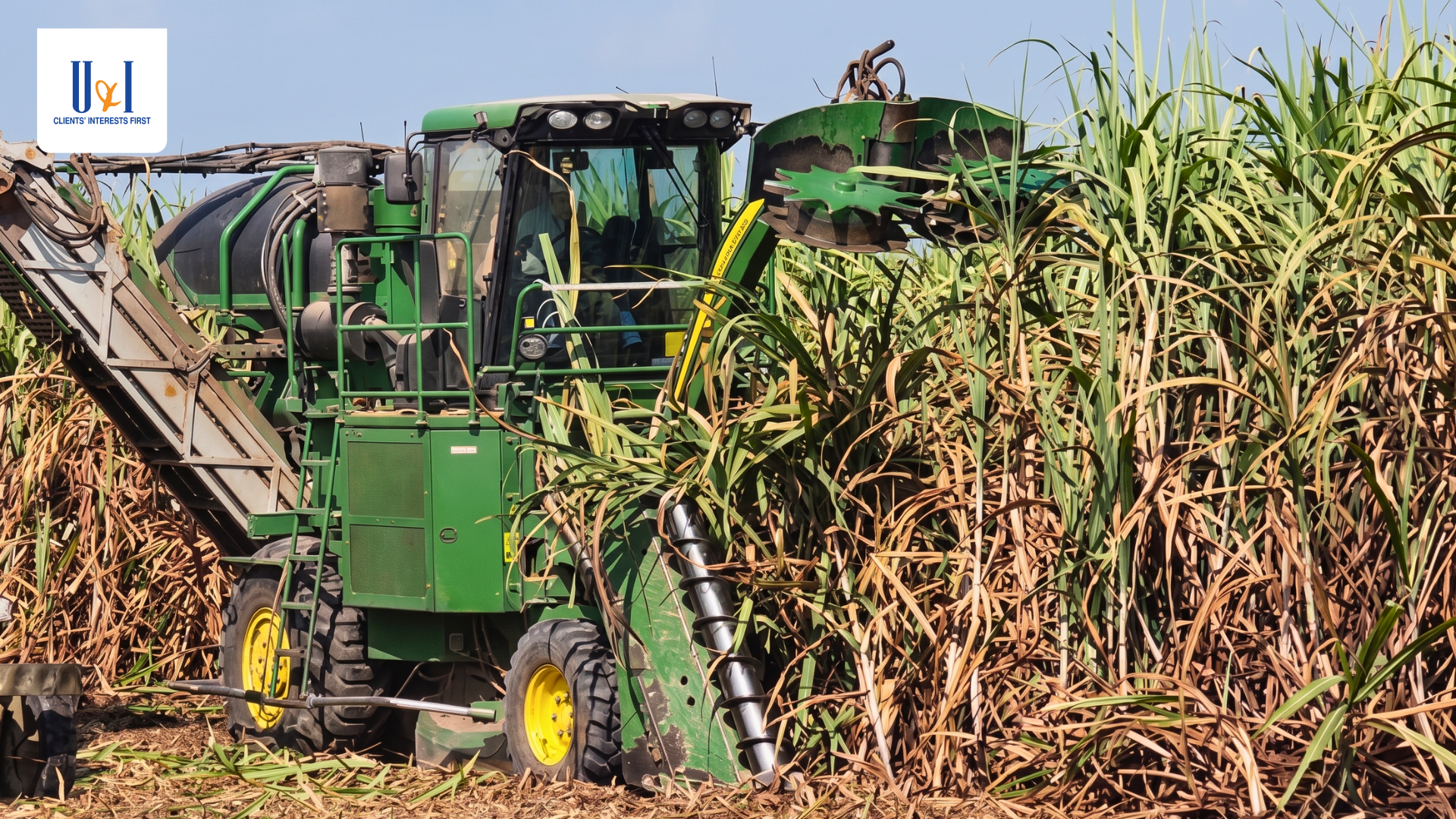
The core raw materials of this industry group are subject to strict management under the Tariff Rate Quota (TRQ) mechanism in accordance with the Law on Foreign Trade Management. This mechanism operates on a two-tier tariff structure with a very large gap: a low preferential tariff rate applied to the volume within the quota, and a highly protective out-of-quota tariff rate applied to the volume exceeding it. This tariff gap creates a life-or-death business risk:
First, the out-of-quota tariff rate is powerful enough to shatter the entire production cost structure. The out-of-quota tariff on sensitive commodities such as sugar can reach up to 80% – 100% depending on the HS code and origin (not to mention anti-dumping duties or trade safeguard measures applied by period). A shipment that must be classified at the out-of-quota tax rate will immediately push the raw material cost of goods to an unviable level, causing the finished product to completely lose competitiveness in the market or driving the factory directly into severe losses.
Second, the right to enjoy preferential tariff rates depends entirely on the timing of the legal documentation. The auction results and quota notification documents from the regulatory authority are issued in specific approval batches. Businesses often have to proactively place orders and charter vessels from abroad in time for the production season, leading to situations where the cargo vessel has already docked at the port but the official quota allocation document is still going through the appraisal process. Meanwhile, food, dairy, and beverage processing lines that operate continuously cannot stop the machinery to wait for paperwork.
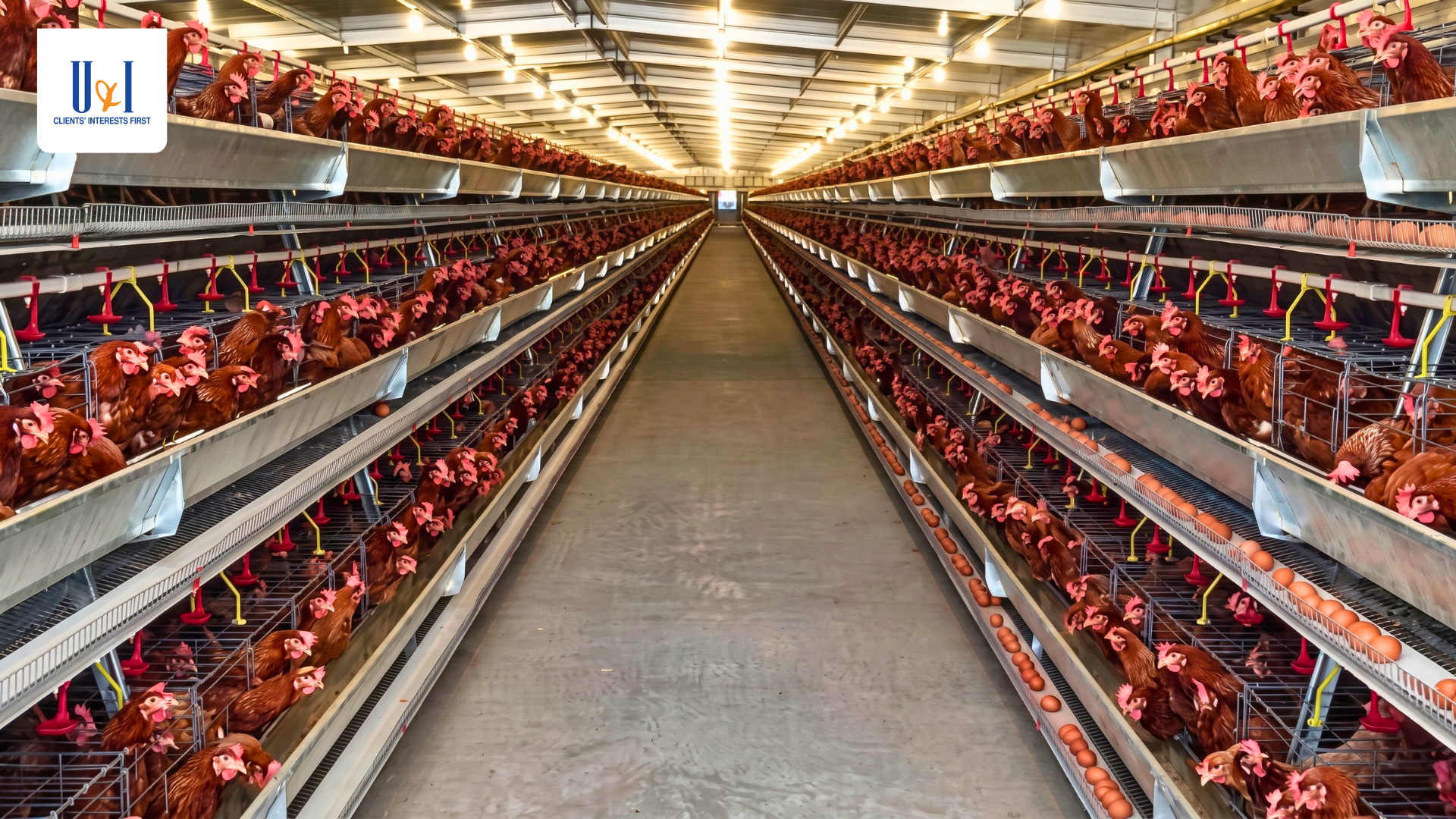
Combining these two factors reveals that the equation for the quota goods import industry is not the race to open a customs declaration as fast as possible at the border gate, but rather the ability to precisely synchronize the moment of vessel arrival with the moment the tariff rate quota officially takes legal effect. Rushing to transmit an import declaration for consumption when the quota documentation conditions are not yet complete will push the shipment into the out-of-quota tax bracket.
An in-depth logistics solution for TRQ goods requires the close combination of foreign trade legal advisory and flexible warehousing infrastructure. When raw material cargo flows arrive at the seaport before the quota allocation document takes effect, one of the optimal solutions is to redirect the cargo flow into the Bonded Warehouse system. This measure helps businesses achieve two objectives: ensuring that actual raw materials are already present and ready in Vietnam to serve the production plan, while simultaneously preserving the status of the goods and suspending the entire obligation to pay import duties. As soon as the Ministry of Industry and Trade officially announces the auction results, a new declaration is officially activated, ensuring that the shipment receives the preferential in-quota tariff rate as prescribed by law.
Import Clearance Procedures Under the New Tariff Rate Quota Mechanism
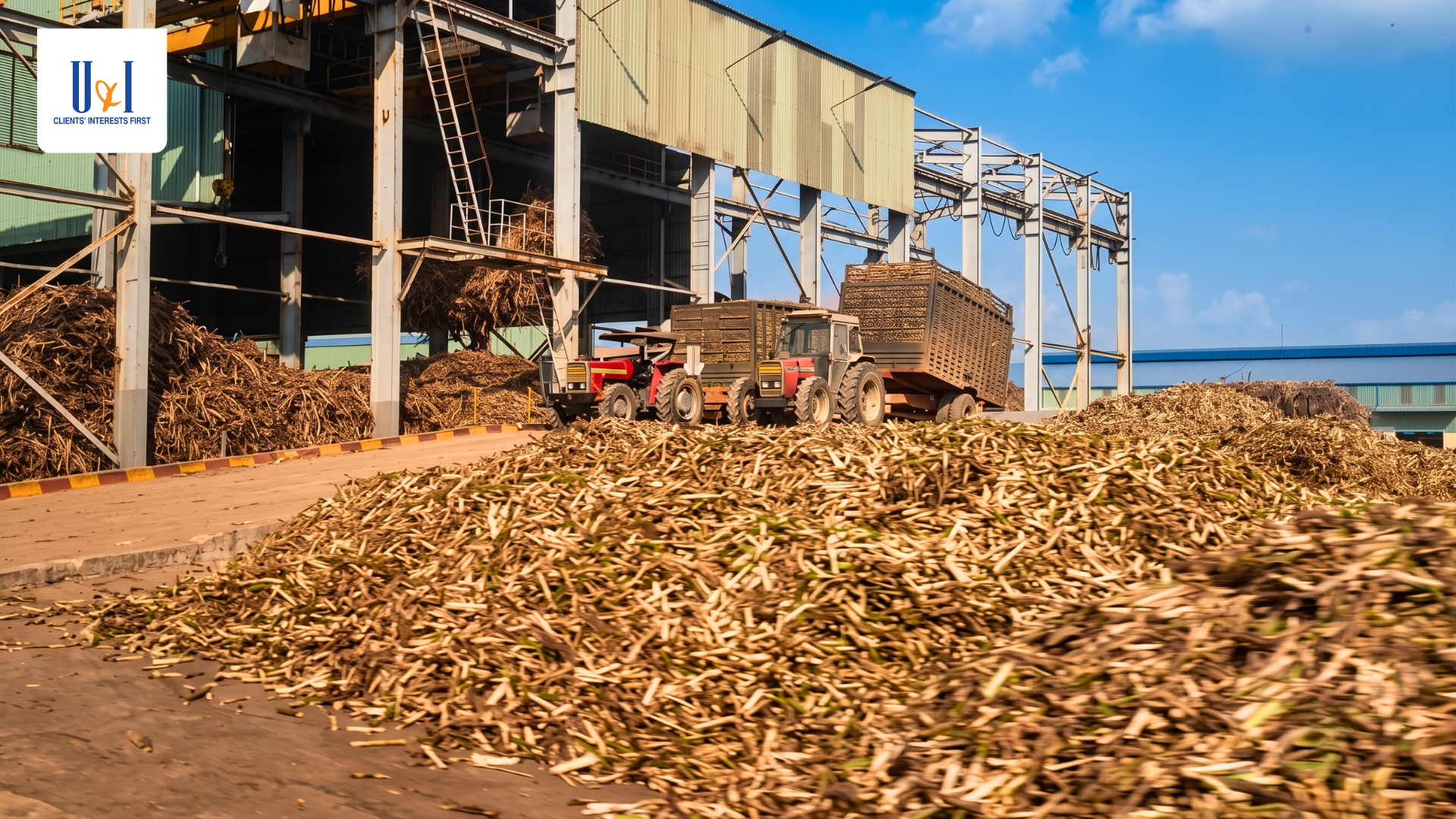
The four commodity groups subject to tariff rate quota regulation in Vietnam are salt, raw tobacco, poultry eggs, and sugar; the entire allocation principle is now regulated under Decree 292/2026/ND-CP (replacing Decree 69/2018/ND-CP) and specialized circulars of the Ministry of Industry and Trade. Sugar in particular is subject to the allocation mechanism through public auction. Beyond that, the administrative procedure framework in foreign trade is continuously being standardized: the Ministry of Industry and Trade issued Decision No. 2196/QD-BCT on September 8, 2026, announcing the list of new and amended administrative procedures in the import-export field to align with new commitments. For manufacturing businesses, each change in the licensing process and forms is another instance of increased risk of misalignment between the schedule of cargo arriving at the port and the effective date of the quota document.

The appropriate solution in this case does not lie in a pure customs clearance service but requires the combination of legal capability from a Customs Brokerage Agent with deep understanding of specialized licensing procedures and specialized warehousing infrastructure.
The pivotal mechanism for solving this equation is the Bonded Warehouse system: when a raw material shipment arrives at the port, it is transferred directly to the bonded warehouse under customs supervision, held in a status where the obligation to pay import duty has not yet arisen and the quota document has not yet been required. During the time goods remain in the warehouse, the business focuses on completing the commercial documentation set, the Certificate of Origin (C/O), and finalizing the official quota allocation document from the regulatory authority. Only when there is a full legal basis for the preferential quota is the import declaration for consumption officially opened, applying the low in-quota tariff rate. In other words, the bonded warehouse allows businesses to proactively transform a tax risk into a fixed storage cost, rather than allowing a shipment to arrive at the port at the wrong time and fall into a dilemma: either accept paying out-of-quota duty to release the goods, or leave the goods bearing yard storage costs and the risk of quality degradation.
This is the moment when a provider such as U&I Logistics fully demonstrates its integration capability: as a Customs Brokerage directly handling specialized licensing applications, alongside ownership of large-scale bonded warehouse infrastructure, U&I Logistics joins two links that are typically fragmented — legal procedures and storage capability — into a single synchronized operating rhythm.
The Optimal Integrated Model
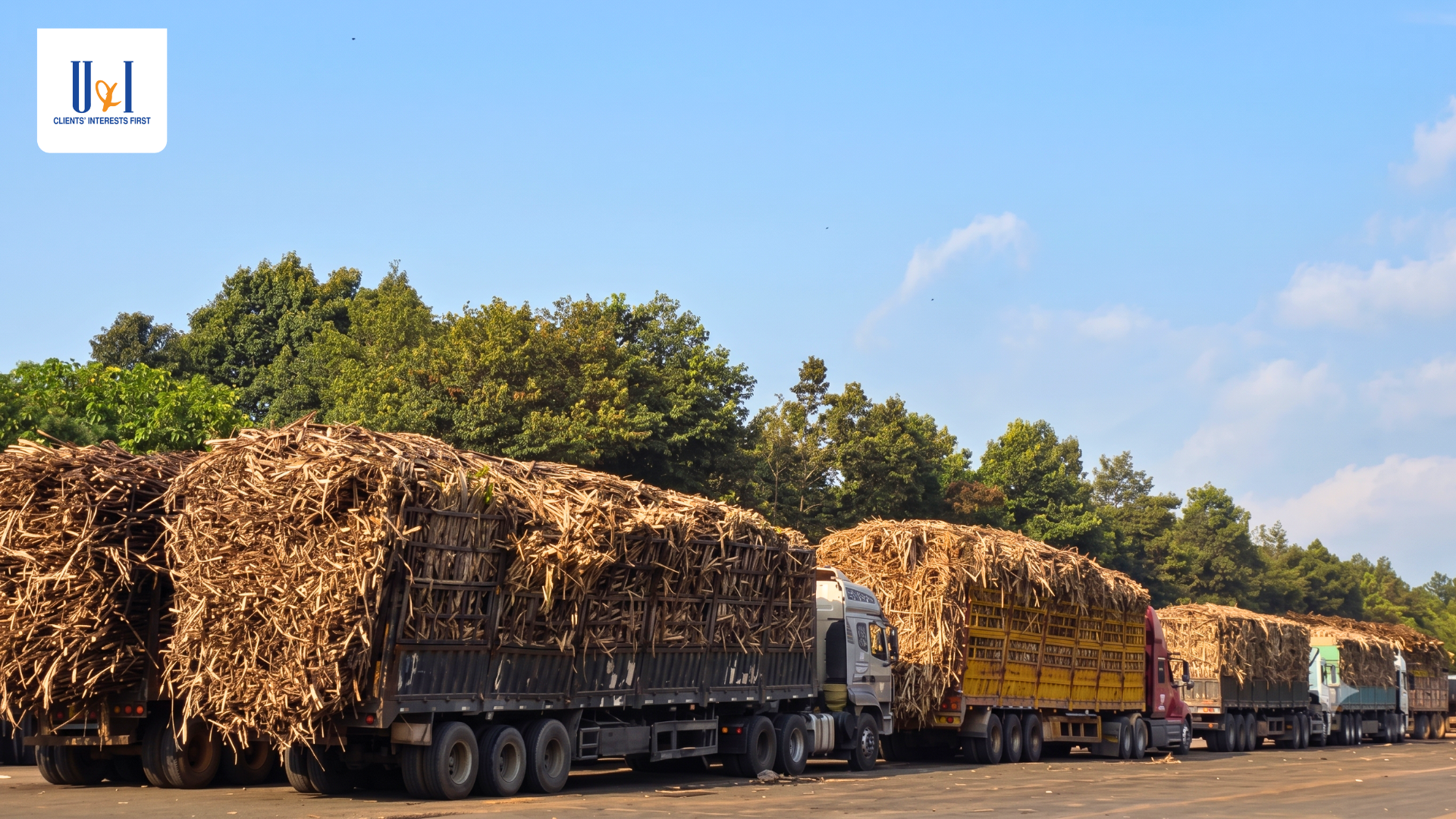
The model combining the bonded warehouse mechanism and the Customs Brokerage Agent cannot fully deliver its effectiveness if businesses have not established three prerequisite conditions:
The first condition is calculating the quota inflection point. The bonded warehouse solution can only operate smoothly when businesses build the logistics scenario early and precisely designate the bonded warehouse storage location code right on the international transport documents (E-Manifest, Bill of Lading). Once a container has been dropped at the port yard under an ordinary consumption import type code, all options for redirecting the cargo flow are significantly narrowed; businesses will have to face complex manifest adjustment procedures, prolonged time delays, and the emergence of very large Demurrage/Detention fees.
The second condition is establishing a Cost-Benefit Analysis in quantitative terms. Businesses need to weigh: the total cost at the bonded warehouse against the additional tax cost incurred if forced to clear customs out of quota. The tariff gap between the two quota tiers (the difference can range from 40% to more than 80%) typically far exceeds pure storage costs.
The third condition is integrating quota decisions consistently between the Procurement department and the Import-Export department. An order for imported raw materials should only be permitted to establish a commitment when the maritime transport plan aligns with the quota allocation schedule or the effective period of the licensing document from the Ministry of Industry and Trade.


16/09/2026
Brent oil prices broke below the USD 80/barrel mark for the first time since March 2026 following the US-Iran agreement to reopen the Strait of Hormuz, but Asia-US maritime freight rates jumping 51% in a single week may affect the cost benefits of synthetic rubber for the tire export industry.

16/09/2026
MSC's Ochna service connecting Hai Phong – Ho Chi Minh City directly with North China's port cluster marks the shift of the Southeast Asian logistics axis toward the Singapore – Vietnam – Indonesia distribution triangle, where Vietnam takes on the role of an intra-regional distribution platform.
16/09/2026
No matter what industry or product you are doing business in, the question about using warehousing service outsourcing is an indispensable part of the supply chain of import-export and trade enterprises today...


