

30/09/2026
According to foreign investment attraction statistics, in the first half of 2026, Thai Nguyen recorded 15 FDI projects with approximately USD 5.77 billion in newly registered capital, while Bac Ninh attracted 33 projects in the semiconductor and supporting industry sectors with a total scale of more than USD 2.742 billion. Every factory project going into operation means the presence of production lines running continuously, while simultaneously posing a familiar equation in supply chain management: establishing a coordination mechanism to ensure components are always ready without freezing working capital, without clogging cash flow due to early-arising tax obligations, and without wasting factory floor space on storage.
Operational Barriers of the High-Tech Manufacturing Chain
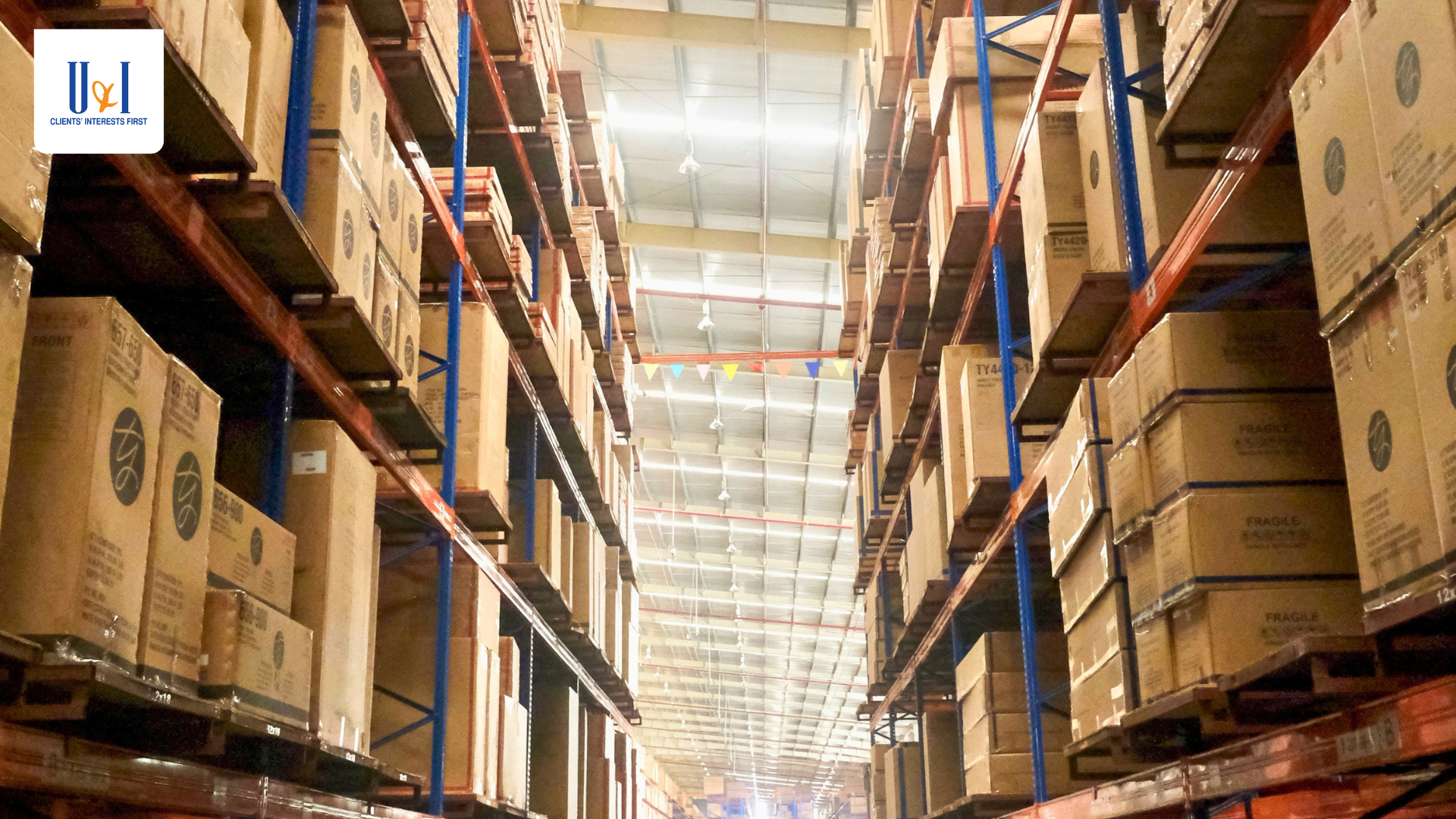
The sub-sectors of semiconductor, telecommunications equipment, printed circuit board (PCB), and precision mechanical manufacturing are simultaneously subject to four stringent operational barriers:
First is the demanding Just-in-Time (JIT) pace. Semiconductor assembly lines or smart electronics production lines maintain continuous production cycles; a shortage of even a secondary component category can lead to the stoppage of the entire multimillion-USD line, resulting in major machine downtime costs.
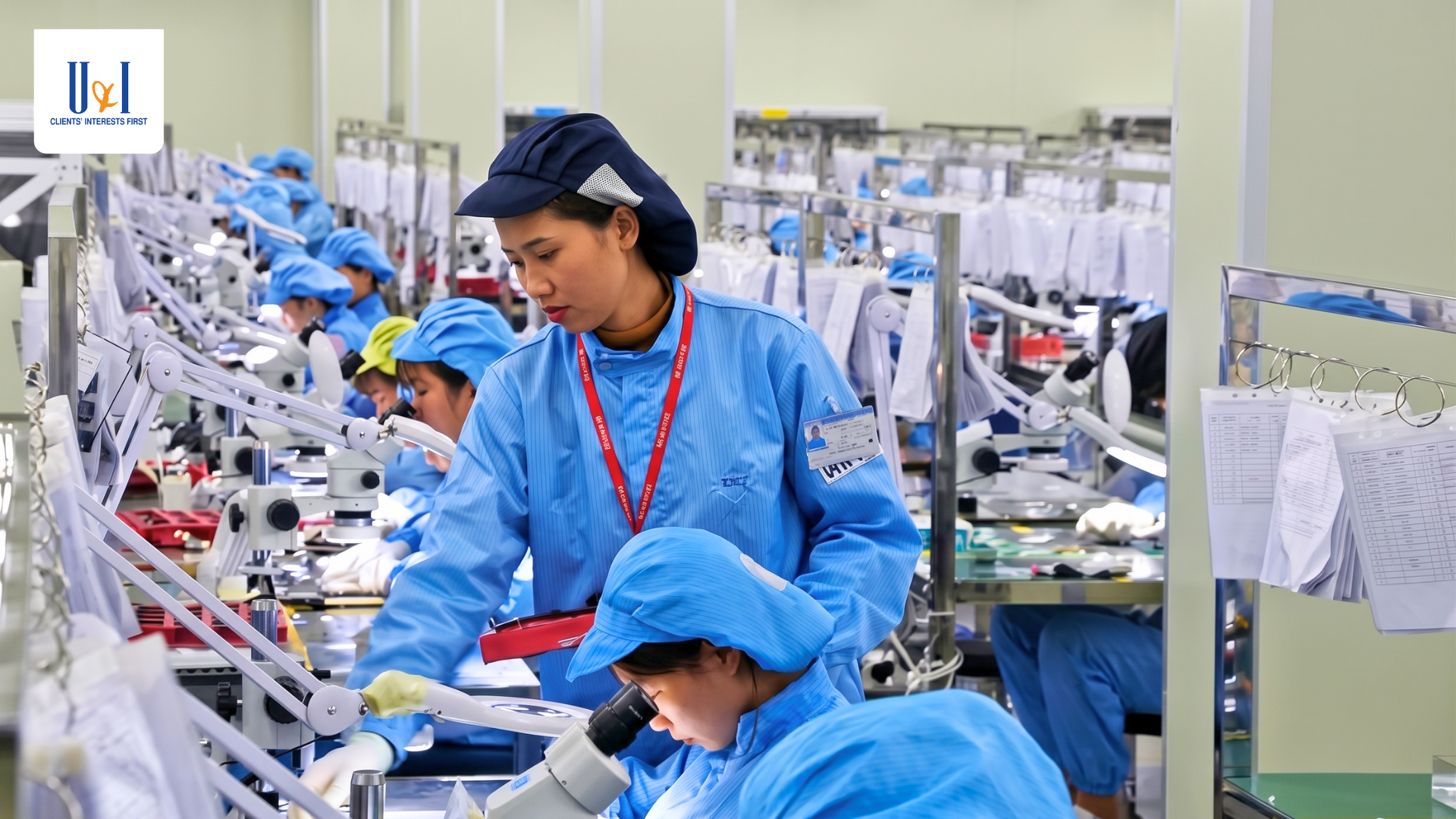
Second is the physical sensitivity of components. Microchips, printed circuit boards, and most semiconductor components belong to the group of Moisture-Sensitive Devices (MSD) under the IPC/JEDEC J-STD-033D standard. Exposure to environments with substandard humidity easily leads to material damage or requires a complex technical baking process before soldering, demanding storage space with strictly controlled humidity and temperature.
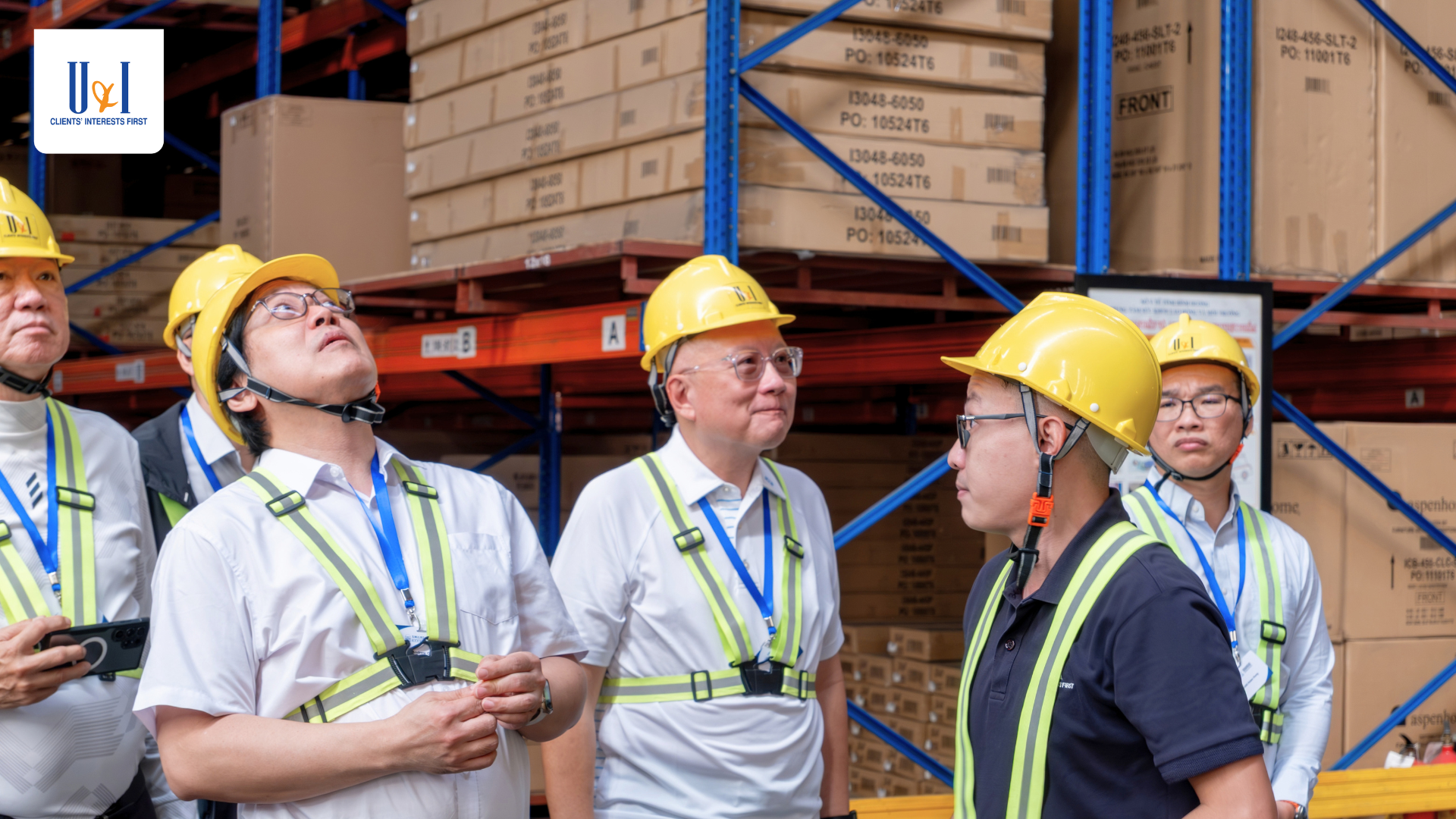
Third is the pressure on working capital costs. Electronic components carry large commercial value; each shipment stored in the warehouse represents a portion of capital. In addition, having to complete import duty obligations right from the moment goods arrive at the factory further intensifies liquidity pressure on the enterprise's operating cash flow.
Fourth is the short technology life cycle. The pace of technical design updates in the electronics industry moves rapidly. Maintaining an excessively large safety stock inside the production facility directly increases the risk of value degradation when there are adjustments in product designs or versions.
Taken together, these four factors show that the high-tech supply chain equation is not purely about accelerating transport speed, but lies in positioning the point where cargo is held. A model that focuses only on dispatching vehicles to deliver goods to the factory gate will push businesses into multiple shortcomings: either maintaining a large buffer stock right inside the factory — occupying floor space, capital, and requiring early tax payment; or depending on transport arrangements for each small individual shipment, bearing both large freight costs and facing the risk of disruption during peak season. Both options overlook a third solution: the VMI Bonded Warehouse model.
The VMI Bonded Warehouse Solution
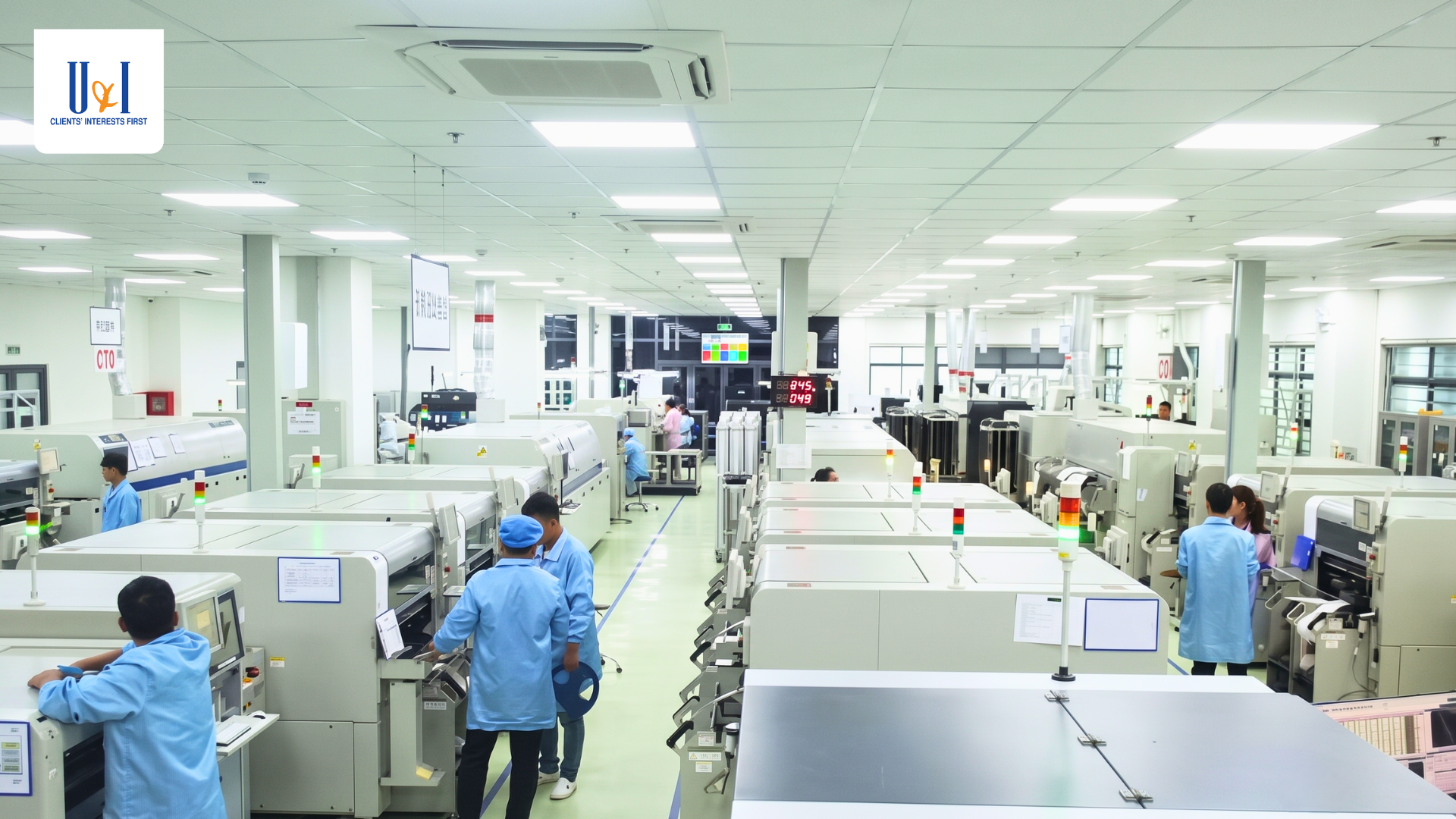
The Bonded Warehouse mechanism allows raw material goods to be physically present right in Vietnam, positioned close to industrial parks, but legally maintained in a status of not yet being imported and not yet having triggered tax obligations. When this mechanism is integrated with the Vendor-Managed Inventory (VMI) model, the supply chain operates according to a streamlined arrangement: international suppliers proactively transfer components to be stored in the bonded warehouse; the factory issues withdrawal signals according to actual production progress; and only at the moment goods leave the warehouse is the import customs declaration officially registered, with import duties and value-added tax beginning to arise. The manufacturing enterprise ensures the readiness of the safety buffer stock placed right in front of the factory, without having to allocate working capital, without incurring early tax obligations, and without occupying production floor space for storage.
However, this mechanism only delivers value when three operational links are connected synchronously:
First, the bonded warehouse infrastructure meets humidity control standards. Semiconductor microchip components and printed circuit boards are moisture-sensitive devices that cannot be stored in ordinary warehouse conditions but must operate in an environment maintaining relative humidity together with an anti-static control system meeting the ANSI/ESD S20.20 standard.
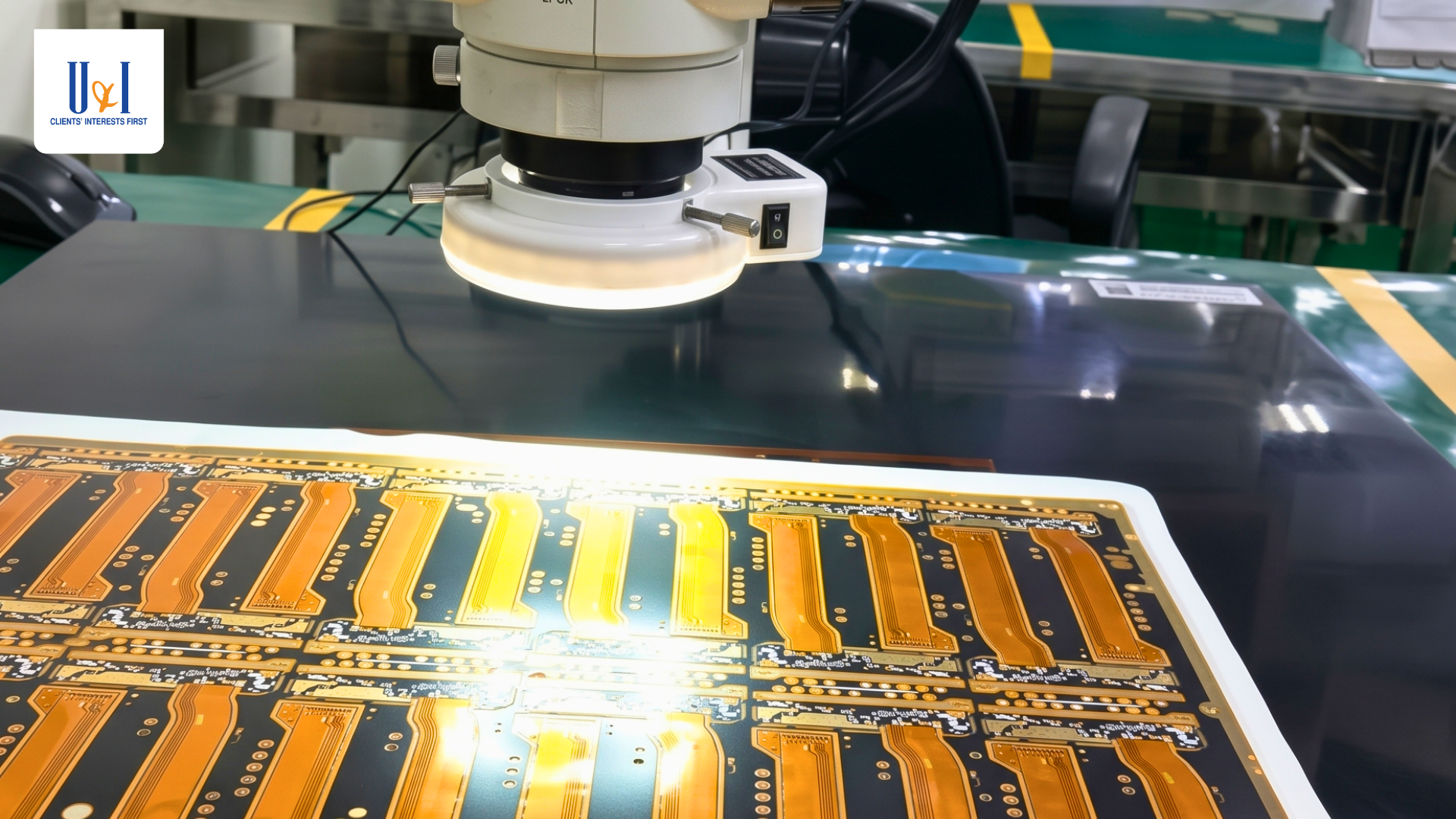
Second, the Warehouse Management System (WMS) must update data in real time. The technology platform needs to control each production lot number and date code in detail and strictly enforce the First-In-First-Out (FIFO) principle, or the First-Expired-First-Out (FEFO) principle, or the outbound rule appropriate to the technical characteristics of each component, establishing a transparent and accurate data channel between component suppliers and manufacturing plants.
Third, the transport process synchronizes with the production cycle. A buffer warehouse placed in the right location but with delays in vehicle coordination still leaves the assembly line facing the risk of downtime. The delivery fleet needs to be organized as a dedicated team, maintaining a precise cargo supply rhythm for each required time window.
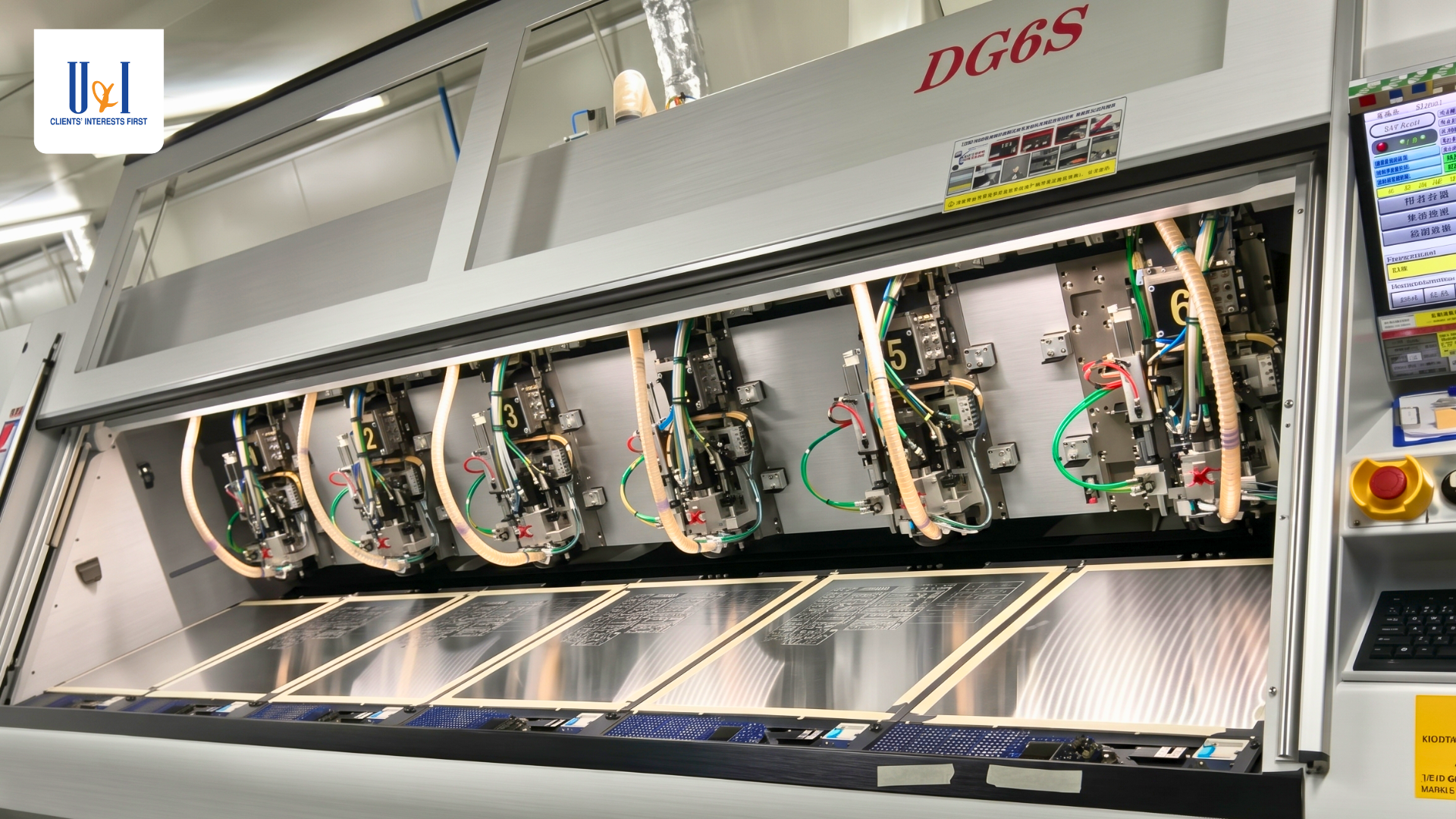
This is the foundation on which a provider such as U&I Logistics — with a bonded warehouse system meeting international standards for temperature and humidity control, integrated with in-depth data management WMS software and a synchronized delivery fleet — links these three components into a seamless operating flow. The flow of components is always in a ready state right next to the factory, while tax obligations are suspended until the exact moment the raw materials are brought into the production line.
A Model That Frees Up Resources
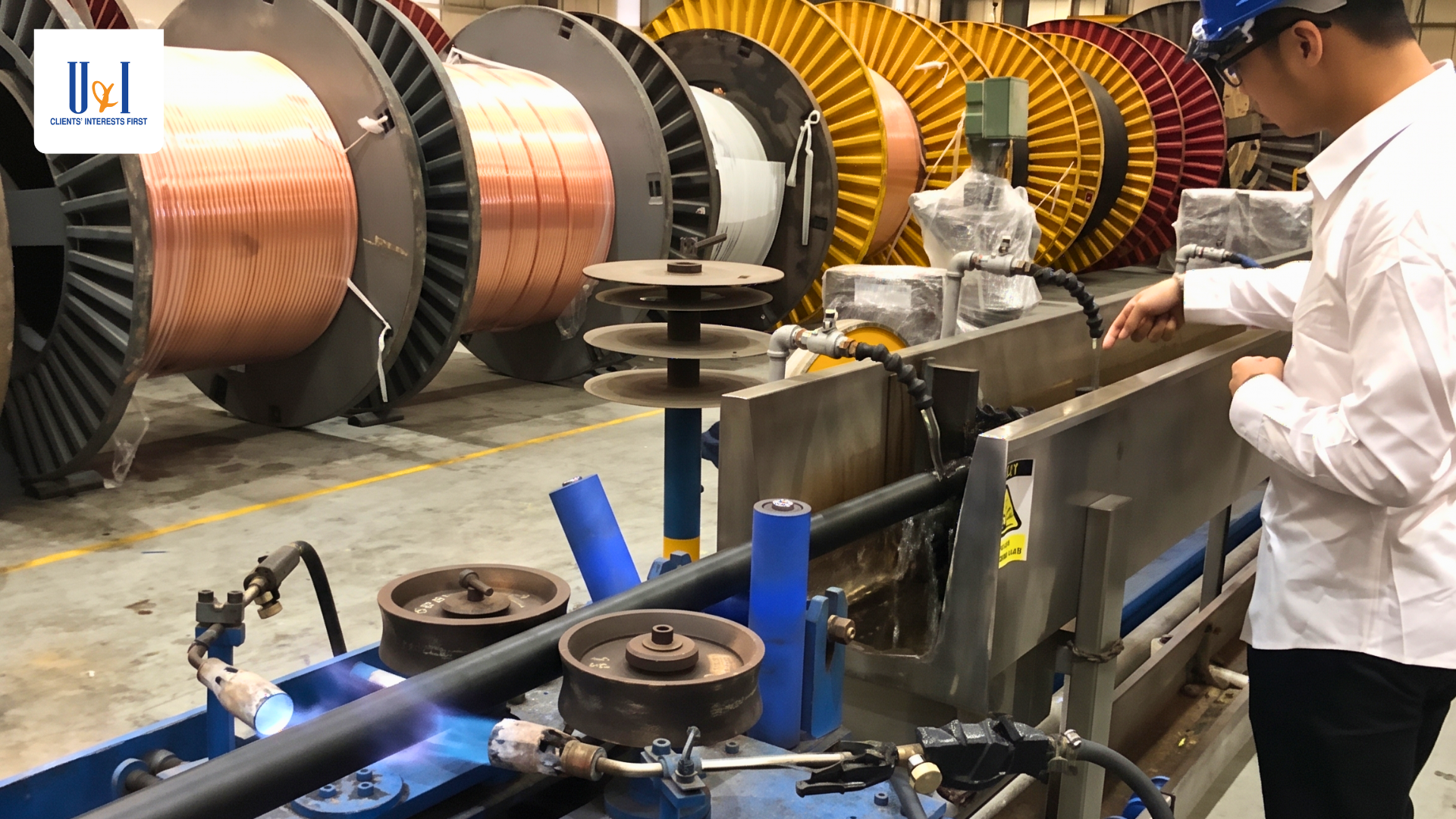
The VMI bonded warehouse model delivers clear operational effectiveness, but for the solution to realize its value, businesses need to meet three prerequisite management conditions:
The first condition is establishing a substantive VMI agreement between the international supplier and the manufacturing plant. Suppliers only proactively deliver large volumes of materials to be stored in advance in Vietnam when there is regular sharing of production forecasts and specific agreements on inventory limits. If demand forecasting lacks accuracy, the safety buffer stock in the bonded warehouse simply shifts inventory risk from one link to another in the supply chain.
The second condition is feasibility in terms of scale and economic effectiveness. The VMI bonded warehouse model realizes its clearest advantages for component groups with high commercial value, when the benefit of deferring import duty and value-added tax obligations is large enough to offset warehouse storage costs, and when the production pace at the factory maintains a steady flow of goods.
The third condition is maintaining a high level of discipline in data and lot management. Businesses need to strictly control production date codes, storage terms, technical standards, and the technology life cycle of products. A buffer stock lacking tight monitoring on the WMS system easily leads to the risk of component quality degradation or losses arising from components becoming obsolete before they can be brought into the production line.


30/09/2026
The tariff gap between in-quota and out-of-quota TRQ rates can reach 80-100% for sugar — turning the clearance equation into an equation of synchronizing vessel arrival timing with the legal effective date of the quota document. The key solution is the bonded warehouse.
30/09/2026
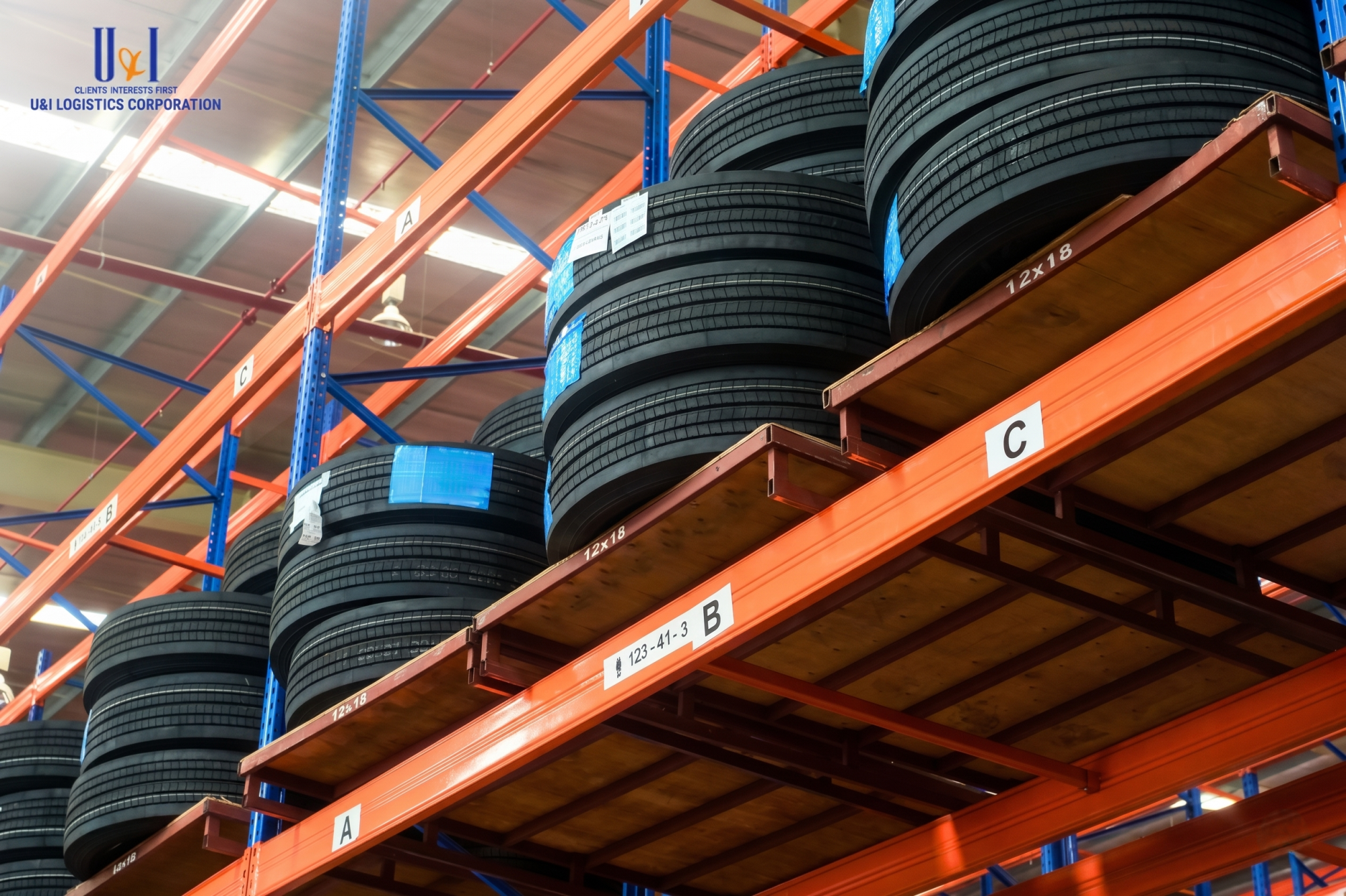
Brent oil prices broke below the USD 80/barrel mark for the first time since March 2026 following the US-Iran agreement to reopen the Strait of Hormuz, but Asia-US maritime freight rates jumping 51% in a single week may affect the cost benefits of synthetic rubber for the tire export industry.

30/09/2026
MSC's Ochna service connecting Hai Phong – Ho Chi Minh City directly with North China's port cluster marks the shift of the Southeast Asian logistics axis toward the Singapore – Vietnam – Indonesia distribution triangle, where Vietnam takes on the role of an intra-regional distribution platform.


