

13/05/2026
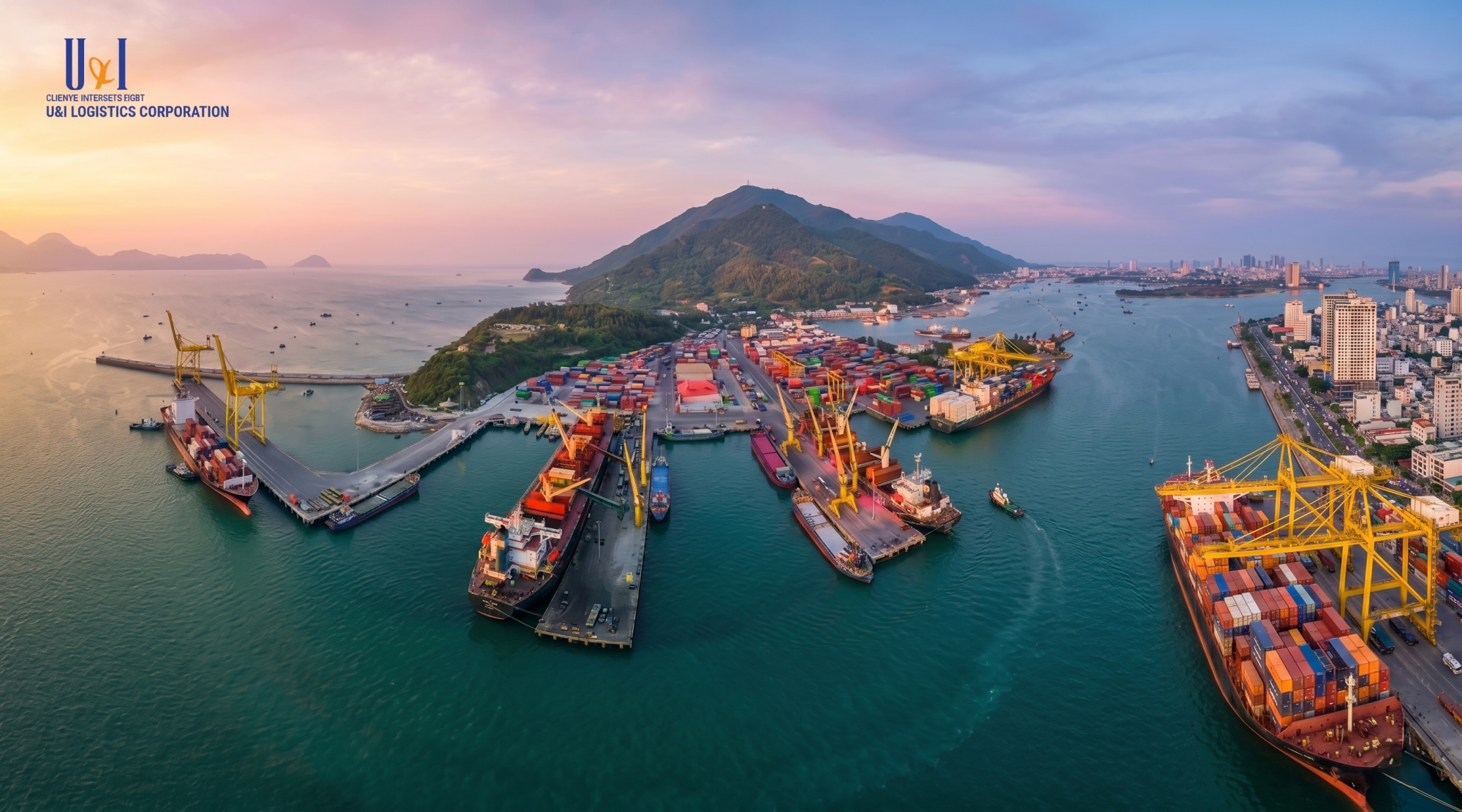
Whenever a new deep-water port is launched, the media and economic analysts often ask one question: "How much FDI will this port attract?" This question contains a causal assumption that economic reality has never confirmed.
The arrival of Samsung in Bac Ninh (2008) and the first industrial parks in Binh Duong (such as VSIP I — 1996) took place when maritime logistics infrastructure was still in its rudimentary stage. Lach Huyen Port (Hai Phong) officially began operations in 2018 to relieve pressure on the Dinh Vu port cluster, which had already been overwhelmed by the export demand of major electronics players in Bac Ninh and Thai Nguyen.
Similarly, the capacity expansion at Cat Lai and the development of the Cai Mep – Thi Vai port cluster are inevitable consequences of the boom in the southern key economic region, where FDI enterprises had taken root decades earlier. Logistics infrastructure, during this period, played the role of unblocking the bottlenecks in the flow of goods.
On paper, Lien Chieu has an infrastructure configuration that Central Vietnam has never possessed: a deep-water port, an intermodal railway line, and a free trade zone that has been approved by the National Assembly. The period from now until commercial operation in Q3/2027 is the window for stakeholders — from port operators to transport providers — to sit down and decide their position.
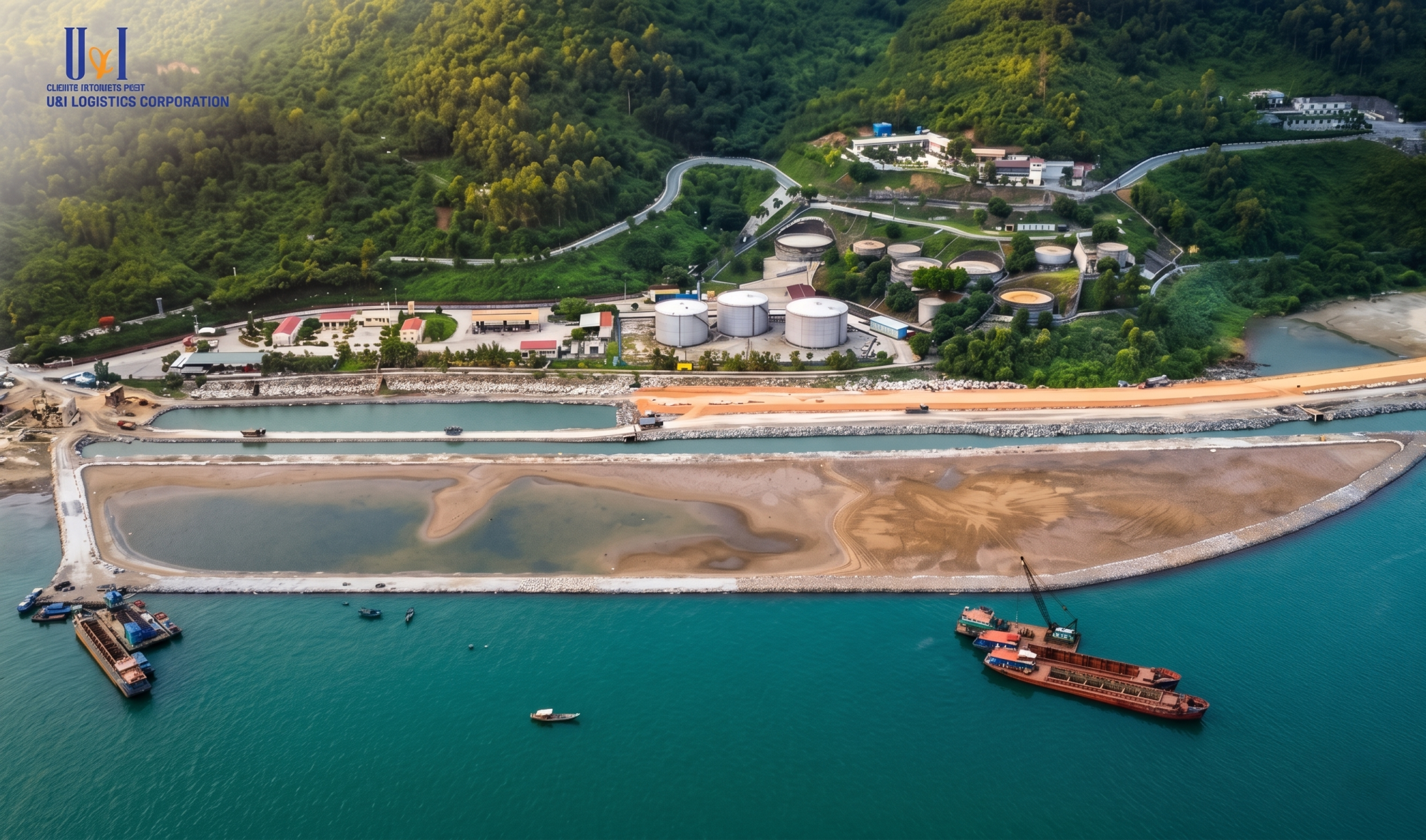
The success of the Binh Duong – Dong Nai industrial cluster over the past decade has not come from isolated mega infrastructure projects, but from the formation of a symbiotic logistics model, where service providers shift their role from Vendor to Ecosystem Architect. Since 2015, several logistics companies — notably U&I Logistics — have successfully piloted this model.
Suppose Lien Chieu's infrastructure is completed on schedule but there is no effort to integrate data from stakeholders. What will happen?
Lien Chieu Port will operate as basic infrastructure — receiving ships, loading and unloading cargo — incompatible with the ERP systems of multinational corporations. The railway will run, but the coordination process between the wharf and the intermodal station will be hampered by manual paperwork. The free trade zone will exist, but the bonded warehouses may have higher rental costs than ordinary warehouses due to more complex operational and control requirements.
In this scenario, Lien Chieu will be a large port, but not a turning point in regional logistics development. FDI will likely continue to choose Bac Ninh or locations near Hanoi, where infrastructure has been built up over many years.
This is not a story of the future; it explains why FDI capital flows and logistics activities in the South are still concentrated in Ho Chi Minh City, where professional logistics companies, standardized processes, and integrated data already exist.
.png)
Logistics is one of the "technologies" that latecomer countries can inherit to create an immediate competitive advantage.
The economic history of East Asia in the 1980s–1990s shows that Japan, South Korea, and later Taiwan did not simply build seaports. They built logistics ecosystems. In Taiwan, the integration between high-tech zones and the logistics system reached a level where risk was minimized. This is the invisible yet most enduring link that has kept semiconductor manufacturers from leaving.
Vietnam's advantages of a young population and low labor costs are gradually approaching their limits. To maintain its appeal, logistics must become a value-added layer. If Lien Chieu can operate as a data nucleus within a logistics ecosystem, that will be the moment we truly "rewrite the rules of the game."
Infrastructure does not create development on its own. How we decide to use that infrastructure is the factor that will determine whether Vietnam is a "processing yard" or a "strategic link" in the global value chain.


13/05/2026
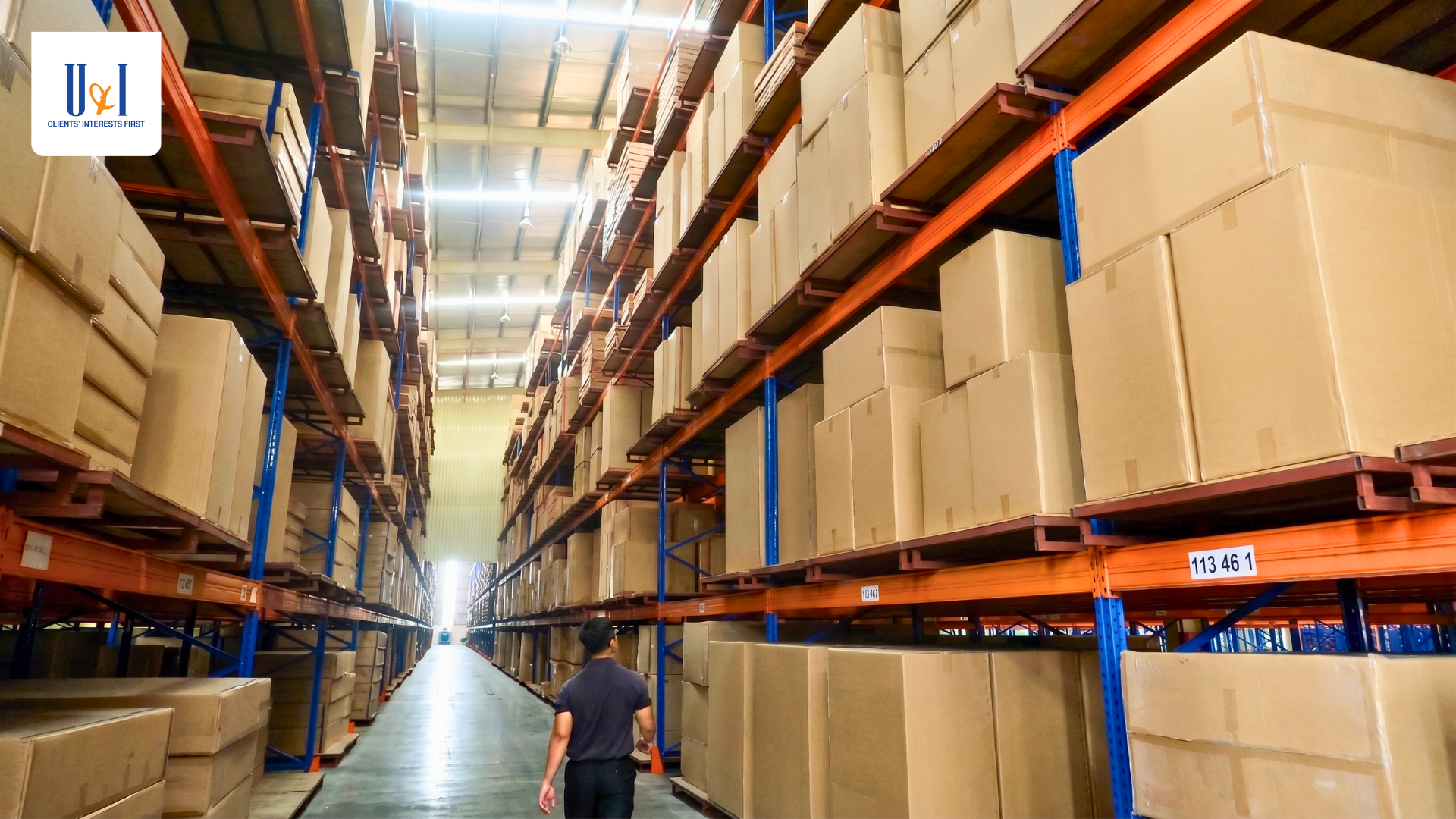
The wave of 100+ Taiwanese semiconductor businesses surveying Sonadezi Chau Duc in July 2026 sets a new requirement for Vietnamese warehouses: the C-TPAT and TAPA FSR certifications have become mandatory passports for accessing the highest-value segment of high-tech cargo.On July 7, 2026, more than 100 businesses in the semiconductor supply chain — the majority coming from Taiwan and serving as supply partners for major corporations such as NVIDIA, Tesla, and Starlink — conducted an investment survey at the Sonadezi Chau Duc Industrial Park. This is also where the Electronic Tripod factory has just injected USD 450 million to launch Phase 1 trial operations from mid-June 2026. In the same year, Intel raised its investment commitment in Vietnam from USD 1.5 billion to USD 4.1 billion, nearly tripling in scale. These developments have been continuously assessed as a golden opportunity for the domestic warehousing industry.
13/05/2026
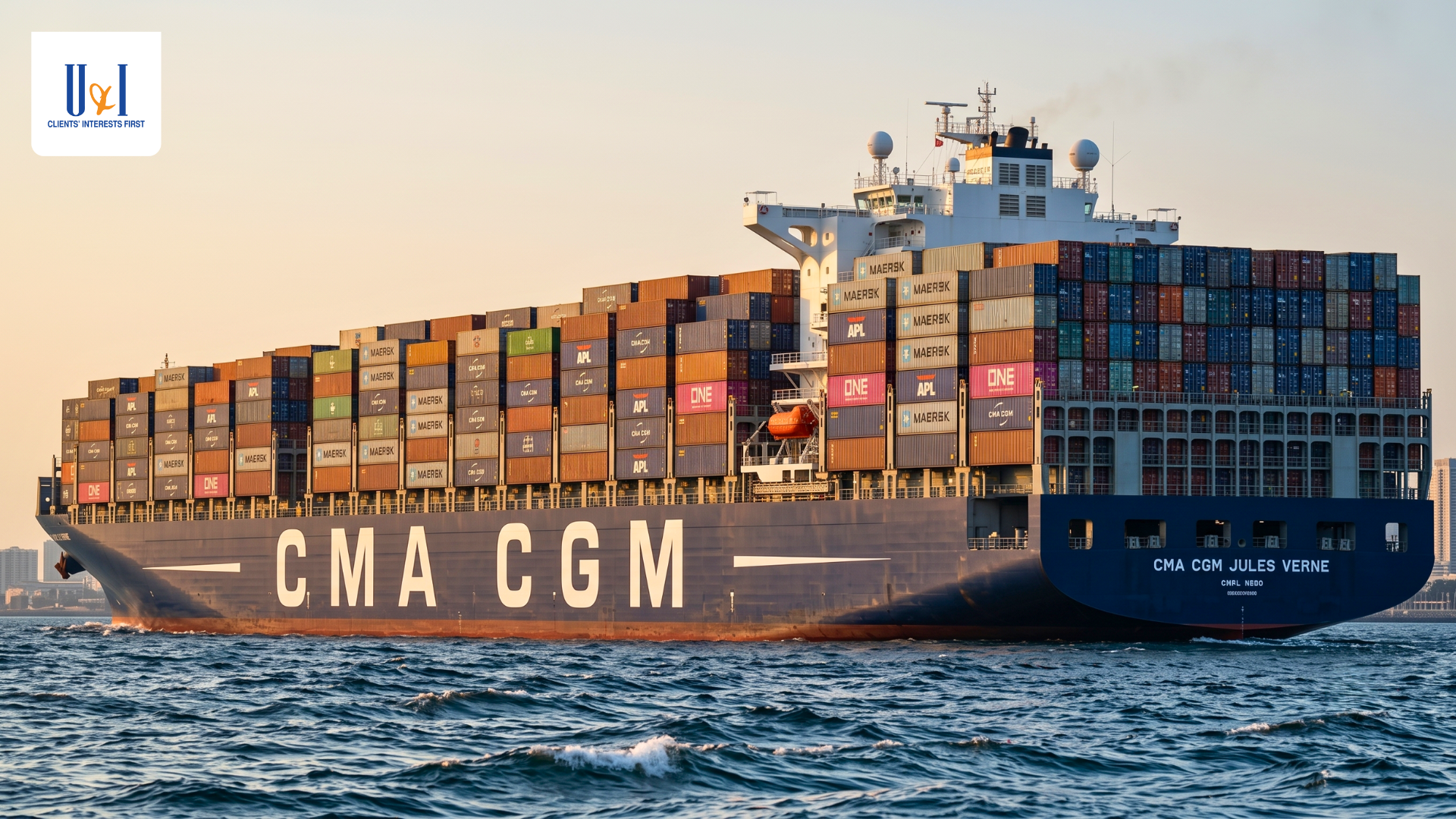
The CMA CGM acquisition of FedEx Supply Chain for USD 1.4 billion, covering 150 warehouses in North America, marks a wave of vertical integration M&A among major shipping lines, narrowing the negotiating space of shippers and highlighting the role of independent forwarders in protecting cash flow.

13/05/2026
Vietnam's agricultural, forestry, and fishery exports reached USD 35.88 billion in the first half of 2026, but reaching the USD 100 billion mark before 2030 requires growth exceeding 15% per year — forcing the industry to shift from the model of expanding output to integrated logistics management that preserves the value of agricultural products.


