

07/07/2026
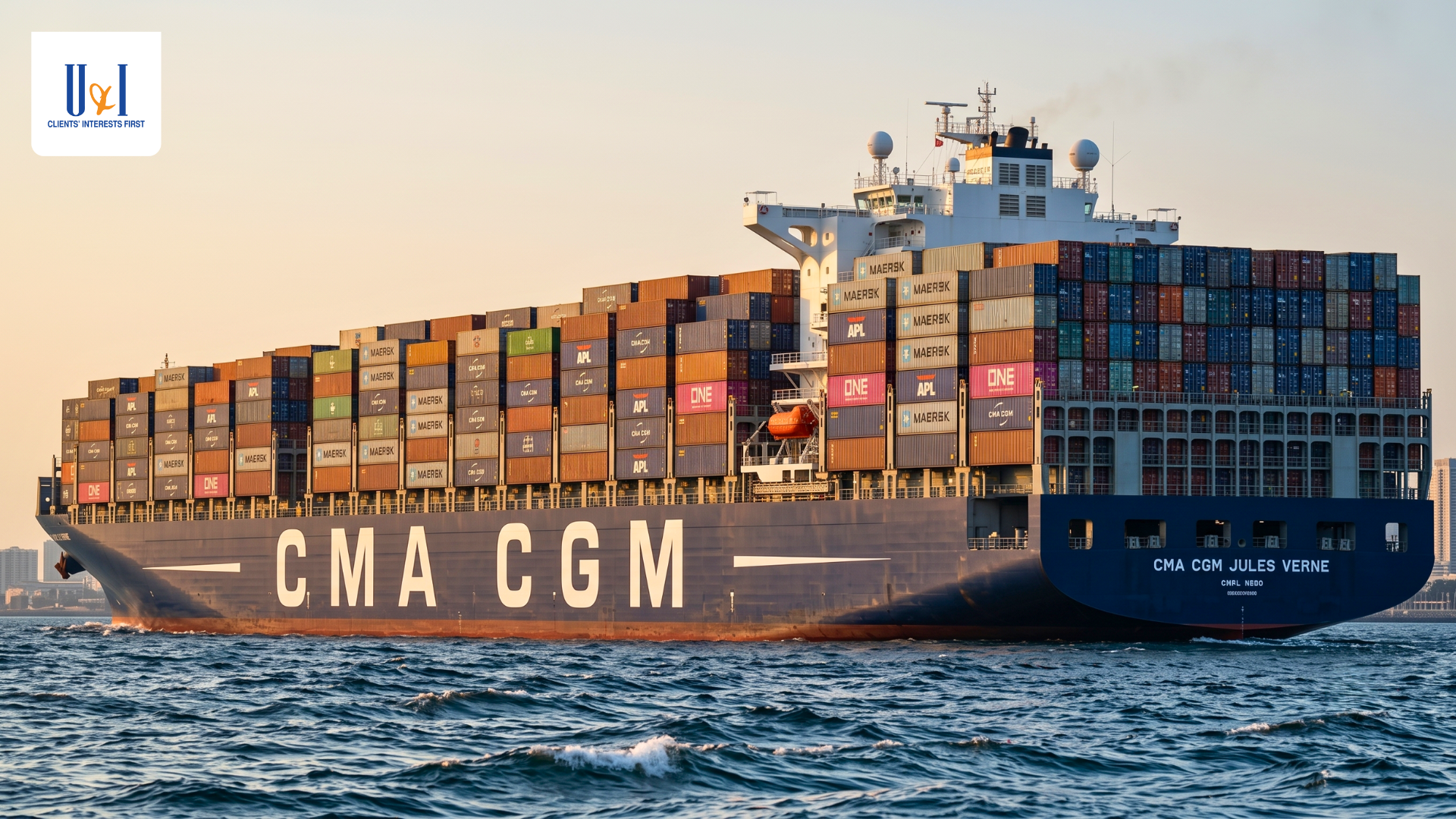
CMA CGM's decision to apply a new series of Peak Season Surcharges (PSS) from July 1, 2026, has added further pressure to the cost plans of many exporting businesses. According to the new tariff schedule, cargo bound for Northern Europe will bear an additional surcharge of USD 1,000/TEU, while the rate applied to each 40-foot container on the Mediterranean and North Africa routes has been pushed up to USD 2,800.
The Mediterranean and North Africa have been the geographical regions that many Vietnamese export enterprises have targeted as an outlet to replace traditional trade routes, which are facing costly expenses and dense technical barriers. Yet reality shows that this outlet has also just had to bear additional surcharges — even higher than those on the old routes.
Running to Niche Markets Does Not Mean Escaping Surcharges
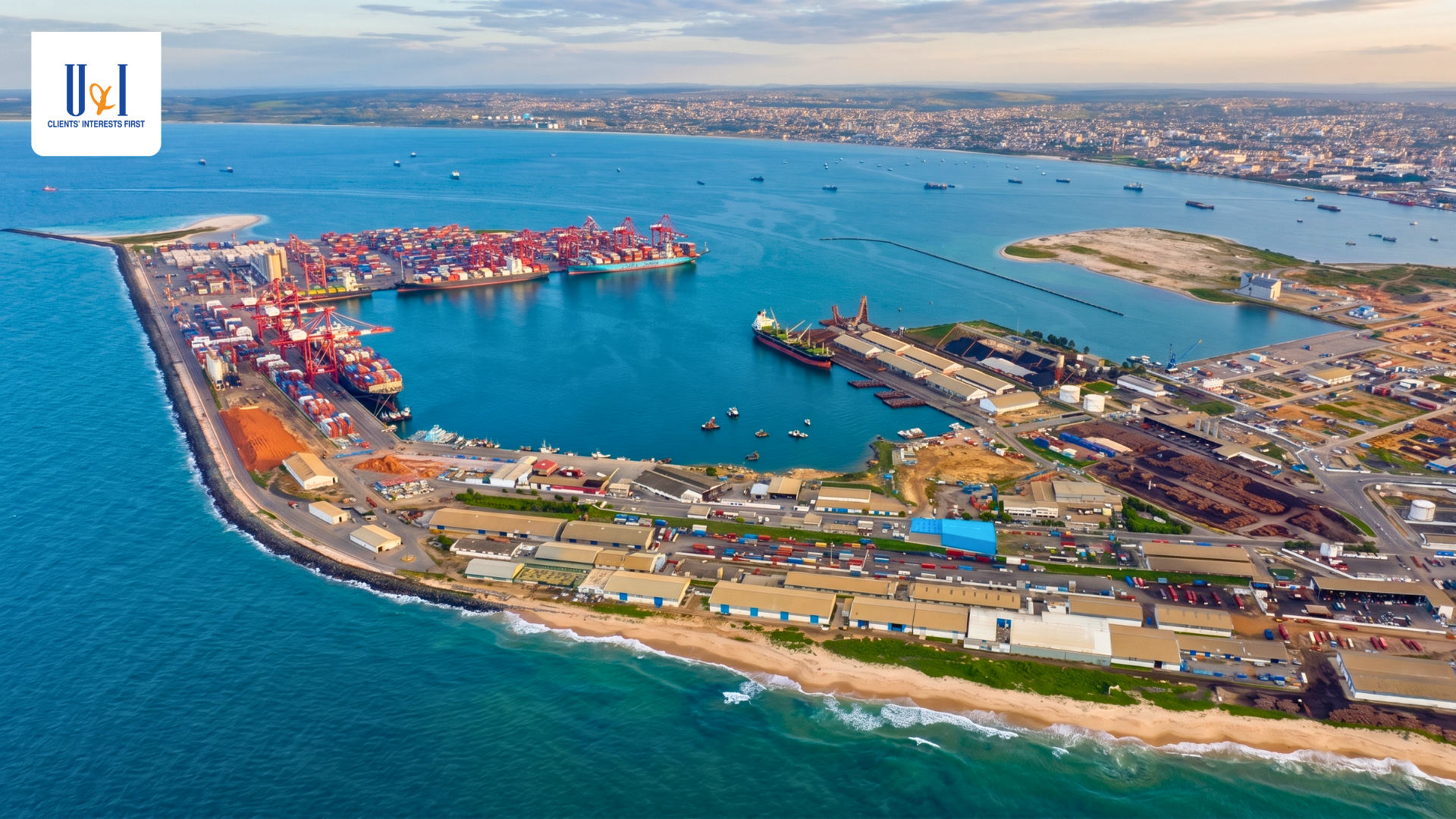
Faced with major markets such as the US or Western Europe continuously tightening customs control barriers and escalating maritime freight rates, the solution of diverting some order volume to Africa, the Mediterranean, or niche markets is seen as a reasonable step for businesses to avoid the risk of "putting all their eggs in one basket."
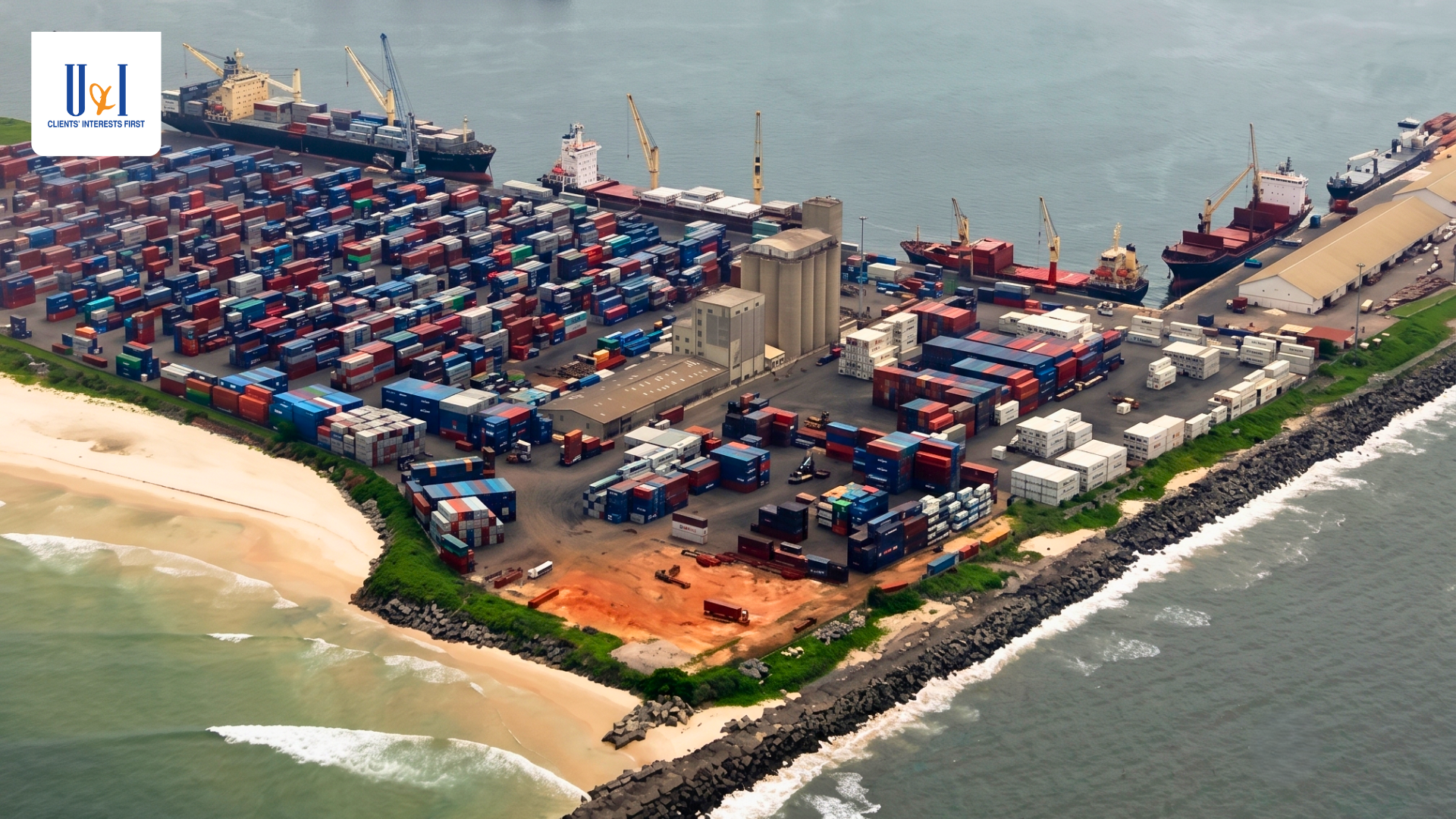
In terms of infrastructure, access to these markets has been significantly expanded. A typical example is the shipping line Maersk extending its WAF7 sea route down to the Southern Africa region to serve the peak season for fruit transportation, while also upgrading the Asia – West Africa connection network to 4 direct routes, including a call for loading and unloading at Cai Mep. Goods from Vietnam heading to Africa clearly have more route options than before.
However, the appearance of more direct sea routes does not mean that logistics costs will be cheaper or that the business environment will be more stable. As soon as the niche market corridors opened up, the cost control systems of the major shipping lines immediately established new surcharge barriers there.
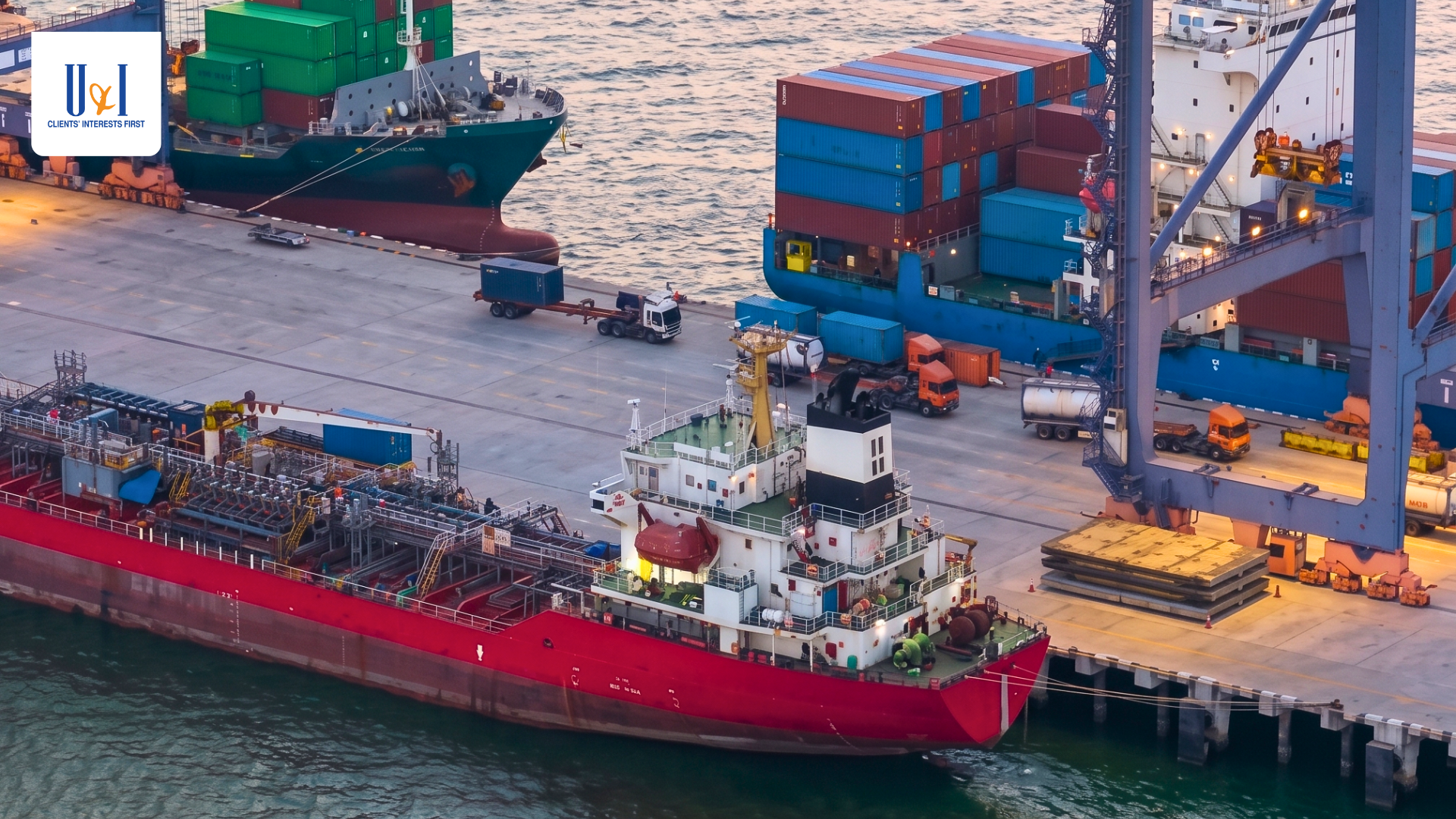
Throughout June, CMA CGM continuously issued notices imposing new surcharges on all cargo flows to Africa, from the Southern Africa, East Africa, to West Africa routes, at varying adjustment ranges. By the milestone of July 1, the surcharge on the Mediterranean and North Africa route alone was pushed up to a record threshold, surpassing even the level applied to the Northern Europe route. Pivoting markets, therefore, does not help businesses avoid the peak season surcharge; it is essentially just an act of renaming the fees on the payment invoice.
This reality proves that export businesses cannot manage costs by simply shifting from one market to another, because global maritime vessel capacity operates according to a communicating vessels mechanism — when one trunk route fluctuates, cost pressure immediately spreads to niche routes.
To maintain profit margins for export orders in the second half of 2026, businesses can choose a model of strategic partnership with large-scale integrated logistics chains such as U&I Logistics.
The advantage of this solution lies in leveraging negotiating power to access direct rate packages with shipping line alliances for both trunk routes and niche routes. This approach helps secure stable container volumes for businesses before entering the global peak season.
The Shipper Holds the Weaker Hand
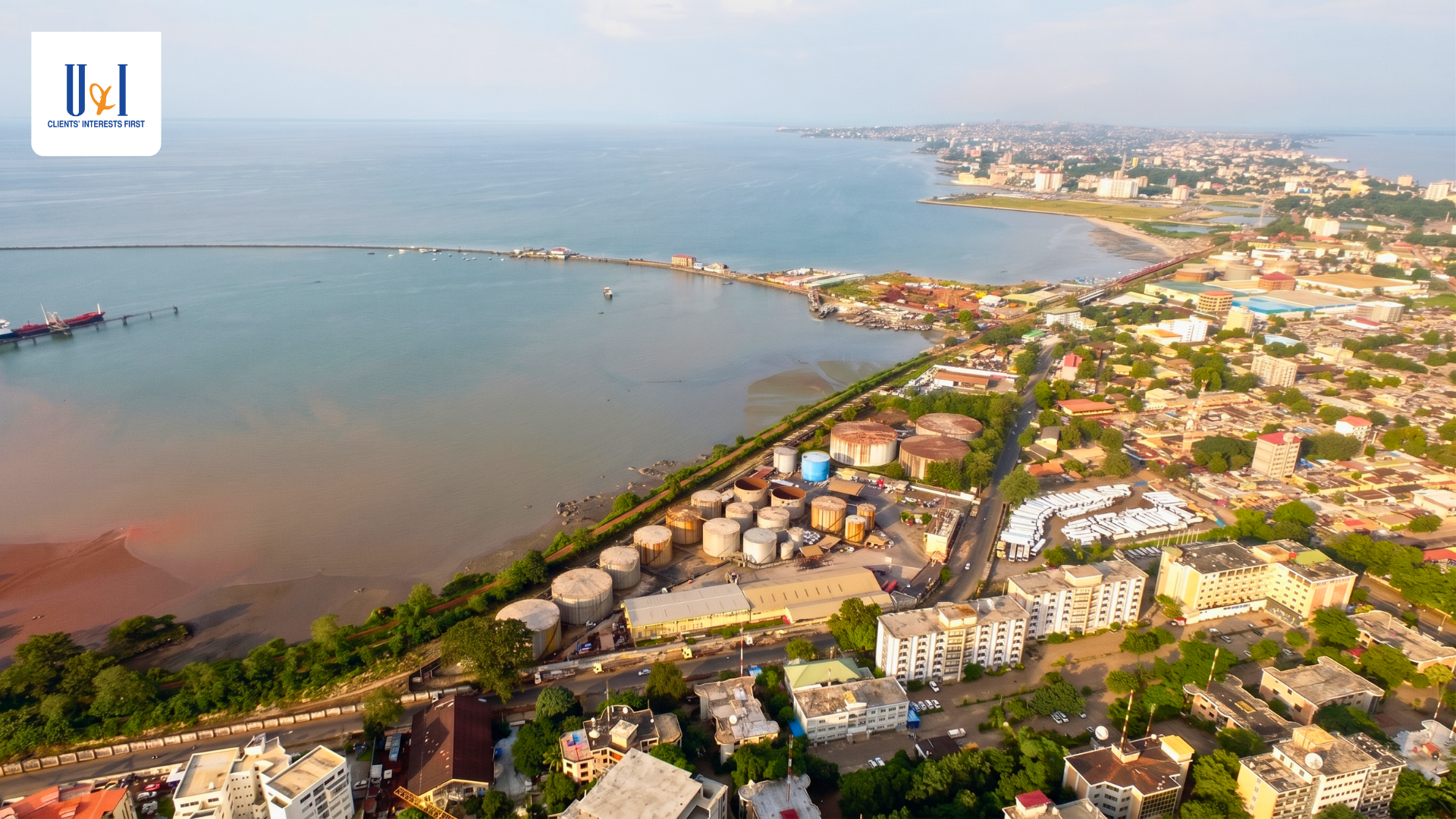
Each new niche market possesses its own set of customs regulations, documentation standards, and technical requirements. In terms of commercial nature, the Peak Season Surcharge (PSS) is essentially a technical tool for revenue regulation that shipping line alliances will activate whenever market demand pressure allows. And operational reality shows that niche routes are precisely where this surcharge lever is most easily pulled up.
The core reason lies in the shipper's bargaining position. On major international trunk routes, export businesses have many options among shipping alliances to compare prices and can easily switch from one provider to another if a cost dispute arises.
In contrast, on a niche route, the number of shipping lines participating in operations is very limited, the frequency of weekly departures is sparse, and alternative options are significantly narrowed. When a shipping line unilaterally imposes a new surcharge, the shipper has almost no corridor to step back into. The deeper businesses go into secondary markets, the weaker the shipper's position becomes against various surcharges — not stronger, as initially expected.
The story does not stop at maritime freight rates. Each new niche market possesses its own set of customs regulations, documentation standards, and technical requirements. The lack of on-the-ground experience in these markets carries a very large risk to cash flow.
Just one shipment stuck in procedures at an unfamiliar destination port due to discrepancies in the documentation set, and the entire profit anticipated from the market risk-spreading strategy will immediately be eroded by incidental costs
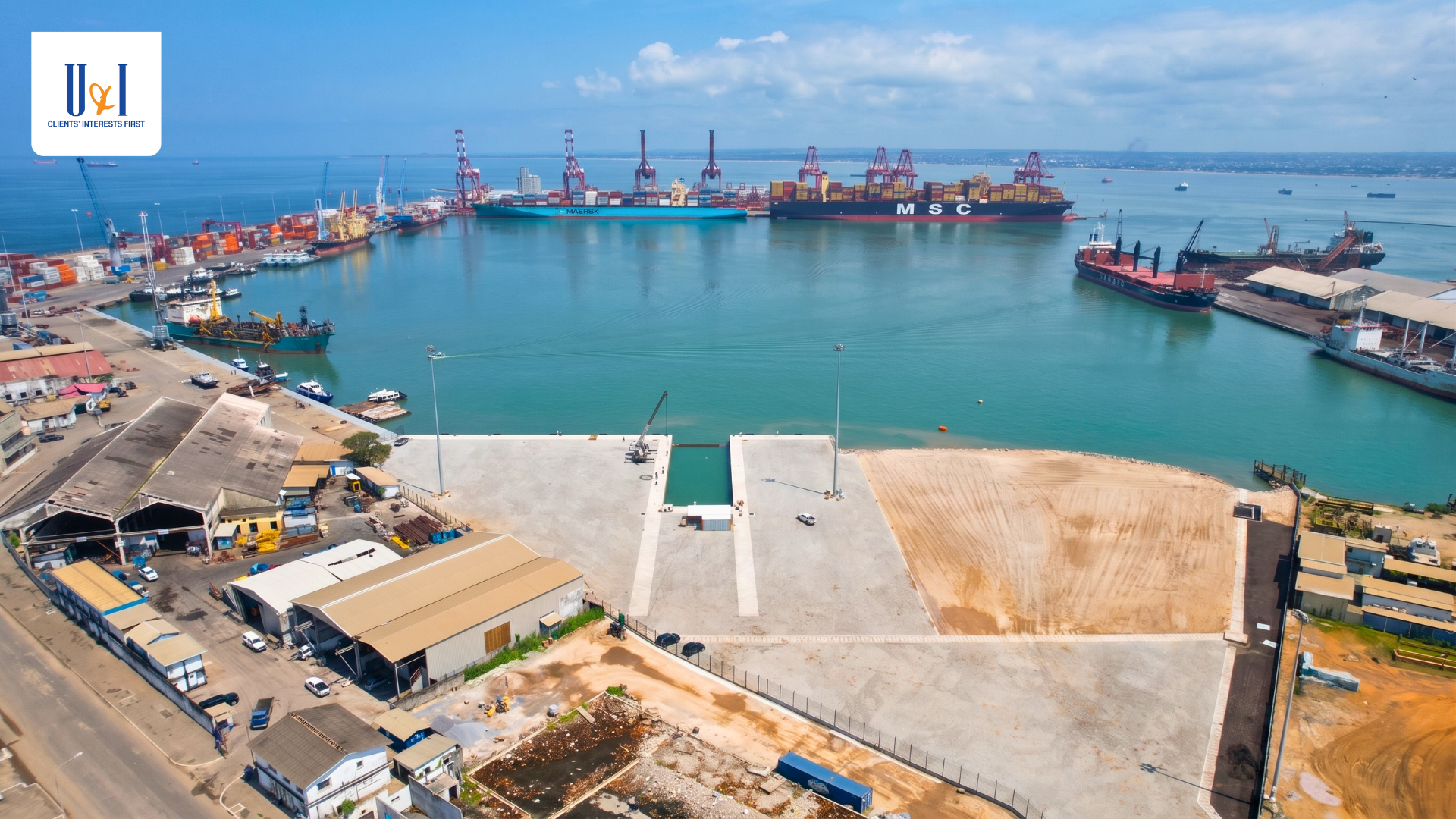
Therefore, the strategy of diversifying export markets remains a necessary step, but it requires operators to view the issue with a realistic lens and to prepare carefully in terms of solutions. Businesses must lock in maritime freight costs through long-term contracts to prevent PSS increases from directly impacting product costs. At the same time, they must establish a tight link between vessel booking and customs procedures processing to ensure that clearance runs continuously, without turning new opportunities into new bottlenecks.
This is the moment when the integrated management model demonstrates its value as a cash flow defense for businesses. The way U&I Logistics places maritime freight solutions alongside customs brokerage services within the same operational chain is a practical example of this strategy.
By using long-term contract rates, businesses can reduce their vulnerability to short-term PSS adjustments on niche routes, while also being accountable for accurate declarations at both the export and destination ends. The entire cargo movement flow is safeguarded from a legal standpoint. The market risk-spreading strategy only truly delivers economic effectiveness when businesses have sufficient management capability to keep that operating structure from generating new sources of risk on its own.
Diversification Is Still a Move Worth Making
The decision to shift export structures to regions such as Africa or the Mediterranean remains a strategic move worth undertaking in the current context, but operators need to clearly identify: this is a solution for risk diversification, not a plan for cutting logistics costs. This move helps businesses reduce concentration risk, no longer placing the entire fate and cash flow of the factory system dependent on a single market.
In exchange, this strategy will bring business cargo onto transport routes where the frequency of departures is sparse, surcharges are easily imposed unilaterally, and the shipper's bargaining position is always weak. This is a clear trade-off equation in foreign trade management, and these additional surcharges must be calculated and factored into the product cost structure right from the planning stage.
Technical barriers and customs control rules on traditional trunk routes will continue to be erected more strictly. Meanwhile, peak season surcharge packages on new niche routes will also continuously change with each short-term notice from shipping lines, leaving shippers with very little room for negotiation.
Therefore, the final question posed to a company's executive team is not which market to choose for export, but rather: When deciding to open a new market door to share risk, has the business prepared sufficient operating capability to solve the new problem? Or is the business essentially just trading a familiar source of risk for a completely unfamiliar one?



07/07/2026
The wave of 100+ Taiwanese semiconductor businesses surveying Sonadezi Chau Duc in July 2026 sets a new requirement for Vietnamese warehouses: the C-TPAT and TAPA FSR certifications have become mandatory passports for accessing the highest-value segment of high-tech cargo.On July 7, 2026, more than 100 businesses in the semiconductor supply chain — the majority coming from Taiwan and serving as supply partners for major corporations such as NVIDIA, Tesla, and Starlink — conducted an investment survey at the Sonadezi Chau Duc Industrial Park. This is also where the Electronic Tripod factory has just injected USD 450 million to launch Phase 1 trial operations from mid-June 2026. In the same year, Intel raised its investment commitment in Vietnam from USD 1.5 billion to USD 4.1 billion, nearly tripling in scale. These developments have been continuously assessed as a golden opportunity for the domestic warehousing industry.
07/07/2026
The CMA CGM acquisition of FedEx Supply Chain for USD 1.4 billion, covering 150 warehouses in North America, marks a wave of vertical integration M&A among major shipping lines, narrowing the negotiating space of shippers and highlighting the role of independent forwarders in protecting cash flow.

07/07/2026
Vietnam's agricultural, forestry, and fishery exports reached USD 35.88 billion in the first half of 2026, but reaching the USD 100 billion mark before 2030 requires growth exceeding 15% per year — forcing the industry to shift from the model of expanding output to integrated logistics management that preserves the value of agricultural products.


