

16/11/2026
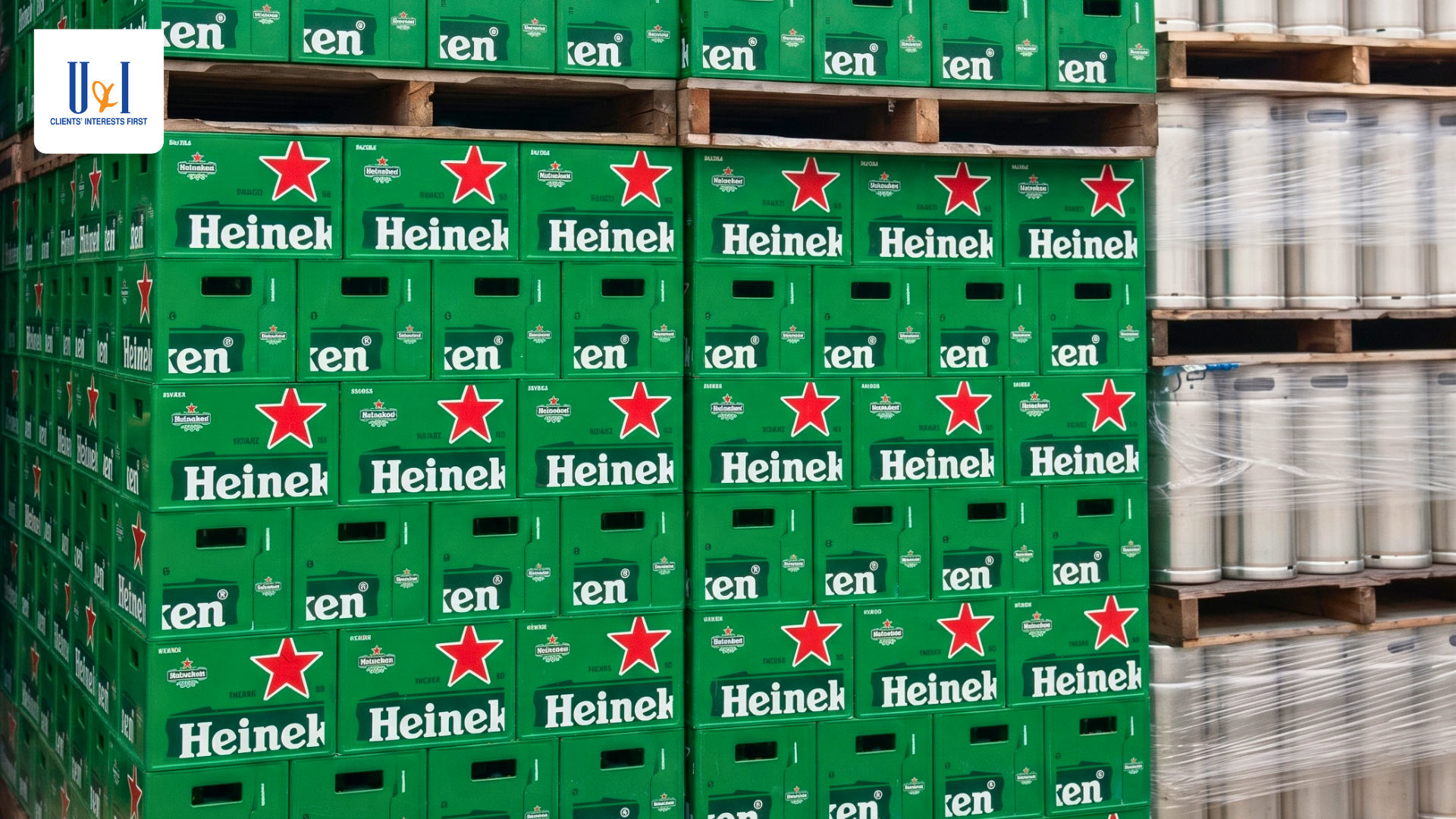
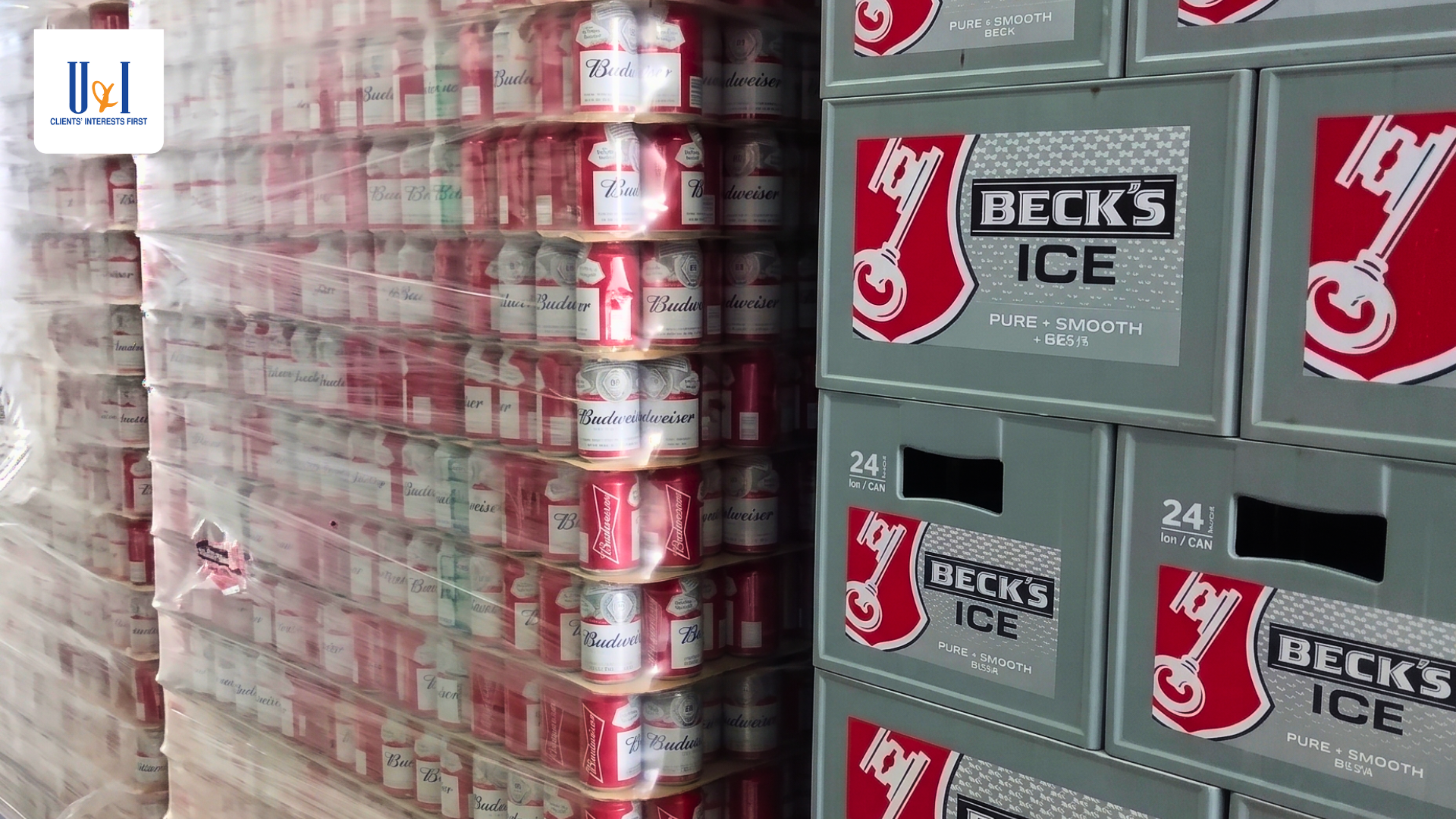
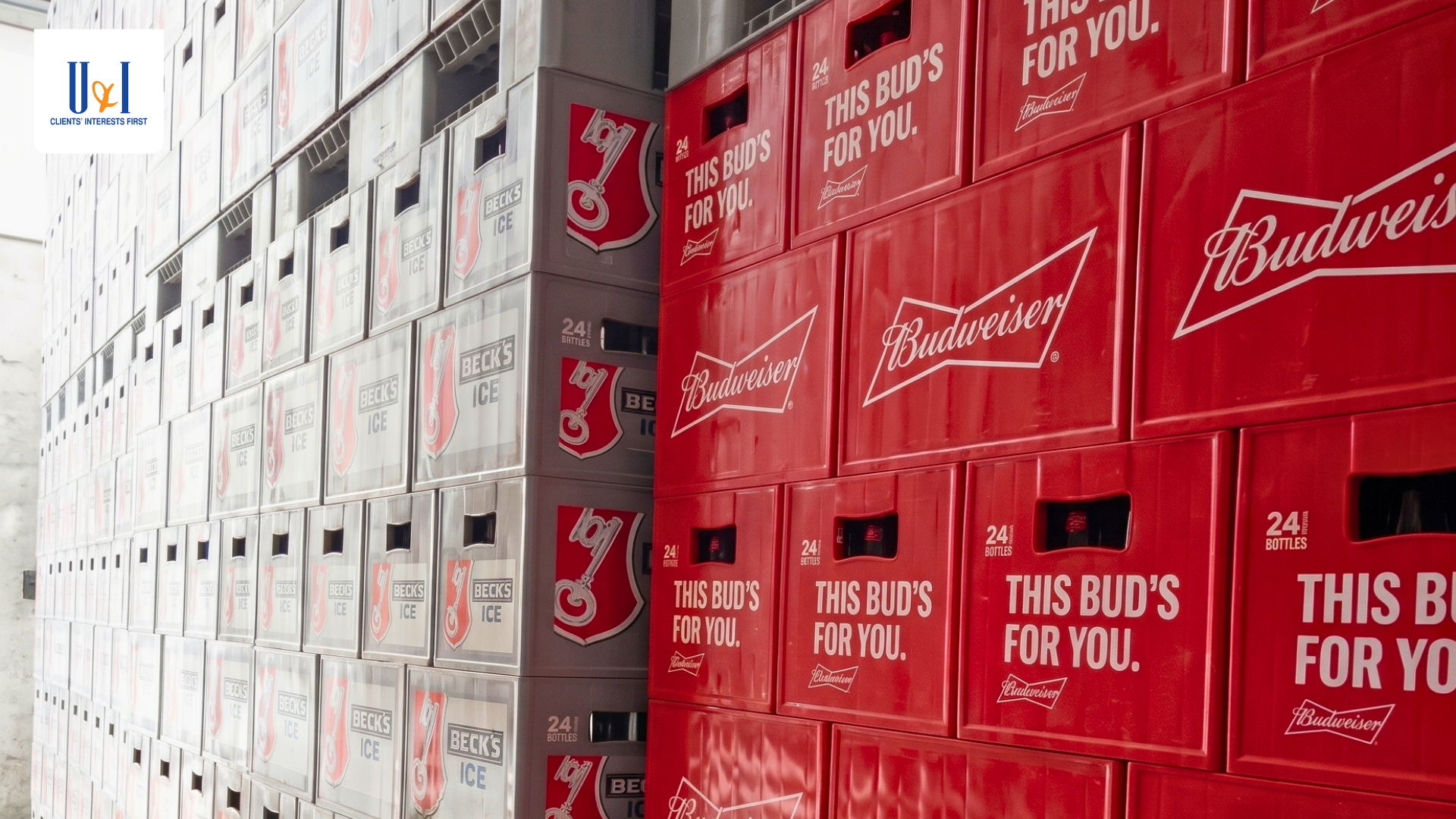
On November 10, 2026, the Customs Department issued Official Letter No. 24083/CHQ-NVTHQ, requiring regional customs branches to strengthen inspection and consultation of valuation for the group of consumer goods imported for the 2027 Gregorian New Year and the Dinh Mui Lunar New Year, including: wine, beer, beverages, confectionery, cosmetics, household electrical appliances, and functional foods.

Unlike groups of raw materials serving ordinary production, imported consumer goods are subject to very strict customs valuation supervision. Most of these commodities may bear significant tax rates depending on the commodity and tax policy, and some items such as wine and beer additionally bear special consumption tax. Therefore, the dutiable value is the direct basis determining the tax amount payable to the state budget, and is also the stage most prone to suspicion of under-valuation to reduce tax obligations. Even a small percentage of under-declaration against actual value on a shipment of imported wine or cosmetics generates a significant tax differential. For this reason, these commodities all fall under the List of Imported-Exported Goods at Risk of Valuation and are directly cross-checked against the customs authority’s price database. When the declared price is lower than the reference price, the shipment will be flagged as suspicious and shifted to the consultation process.
The second factor is seasonal pressure. Consumer demand during Tet concentrates a large volume of goods into a short time window. If a shipment encounters obstacles in the release schedule to await the completion of valuation consultation, businesses not only incur storage and yard fees but also face the risk of delays in market distribution plans. This damage is particularly serious for the confectionery group with short shelf lives or for cosmetics gift sets produced specifically for Tet.
The third factor is complex commercial pricing structures. Many importing businesses purchase goods from parent companies abroad, enjoying year-end commercial discount policies or applying internal transfer pricing. These are all valid transaction prices but are typically lower than the price level in the reference data system, so they are easily subject to suspicion even when businesses declare honestly. If data is only entered based on the unit price shown on the commercial invoice without the step of prior appraisal, businesses easily fall into a passive position when obstacles arise at the border gate.

Official Letter No. 24083/CHQ-NVTHQ not only requires tightening consultation work but also requires regional customs branches to fully update the results of inspection, consultation, and valuation determination to the Dutiable Value Data Management System (GTT02) under Decision No. 181/QD-CHQ dated January 28, 2026 and Decision No. 1018/QD-CHQ dated June 22, 2026. This shows that the mechanism for controlling and cross-checking customs valuation has been digitized, synchronously tightened across the entire system. If businesses cannot prove the validity of the declared price within the consultation period (a maximum of 30 days from the date of releasing the goods or the date of bringing the goods into preservation), the customs authority will reject the declared value, redetermine the customs value, and issue a supplementary tax assessment decision or apply the corresponding processing steps for each specific situation.
Since the core bottleneck lies in the ability to prove the validity of the price rather than the transport stage, an effective solution must begin with standardizing the documentation system. This process needs to focus on three priorities:
First, review the entire catalog of the business’s imported goods by HS code, directly cross-check against the List of Imported-Exported Goods at Risk of Valuation and the current reference price level to identify early those shipments at high risk of being flagged.
Second, standardize the international commercial documentation set to fully prove the actual transaction value, including: foreign trade contracts, commercial invoices, bank payment documents, international freight and insurance documents, documentation justifying special relationships between the parties, and written agreements on commercial discounts. This synchronization ensures the declared price has a solid legal basis during the consultation process.
Third, proactively carry out the goods release procedure under tax guarantee and complete the consultation process within the prescribed time limit, avoiding prolonged yard storage at the port or supplementary tax assessment.
Through customs brokerage services tied to valuation advisory and documentation standardization, U&I Logistics’ dedicated team supports businesses in completing the valuation documentation set right from the clearance stage, helping consumer goods shipments to be released in time to meet peak-season distribution requirements.
Not every business achieves the same level of protection when applying this process. The solution only delivers real effectiveness when three prerequisite conditions are met:
The first condition, which is a matter of principle, is that the declared price must be honest and have clear evidentiary basis. The objective of documentation standardization is to protect the actual transaction value with valid documents, not to justify intentional under-declaration to reduce tax. For cases of fraudulent declaration, no justification documentation set can legitimize the act before the customs authority.
The second condition is that the commercial documentation chain must be complete and consistent throughout, from the foreign trade contract to the bank payment documents, because the essence of the consultation process is checking the uniformity and logical alignment of this entire documentation chain.
The third condition is proactive preparation ahead of the peak season, rather than waiting until a shipment is flagged by the system. A pre-appraised documentation set always carries far greater persuasive weight than supplementary justification after the goods are already in yard storage and the time budget for serving the Tet market increasingly narrows.
For businesses planning to review their commodity catalog and valuation documentation set ahead of the Tet 2027 peak season, an in-depth discussion with U&I Logistics’ team of experts will help identify early those shipments at high risk of consultation, as well as potential gaps in the declaration documentation.



16/11/2026
Importing businesses need to standardize SDS and distinguish three tiers of obligations, U&I Logistics

16/11/2026
On October 22, 2026, the Ministry of Industry and Trade issued Official Letter 8744/BCT-PVTM announcing 50 export commodities at risk of trade defense investigations, origin fraud, and illegal transshipment. Businesses need to standardize HS codes, build chain of custody, and review the risks of Tier-2 and Tier-3 suppliers before any investigation request arises

16/11/2026
An exported product cannot substitute for the quantitative proof requirement to receive a tax refund. Seafood and textile-garment enterprises need to standardize their consumption norms, declaration type codes, and Form 15 statements early.


