

23/06/2026
The event of the US and Iran reaching a preliminary agreement to reopen the strategic Strait of Hormuz in mid-June 2026 immediately cooled down the global energy market. Spot Brent crude oil prices fell to USD 79.99/barrel, marking the first time world oil prices have broken below the USD 80 threshold since early March 2026. This is a positive signal for production costs: declining crude oil prices mean that pressure from the input raw materials group will be somewhat relieved.
Can Synthetic Rubber Prices Save the Tire Industry?
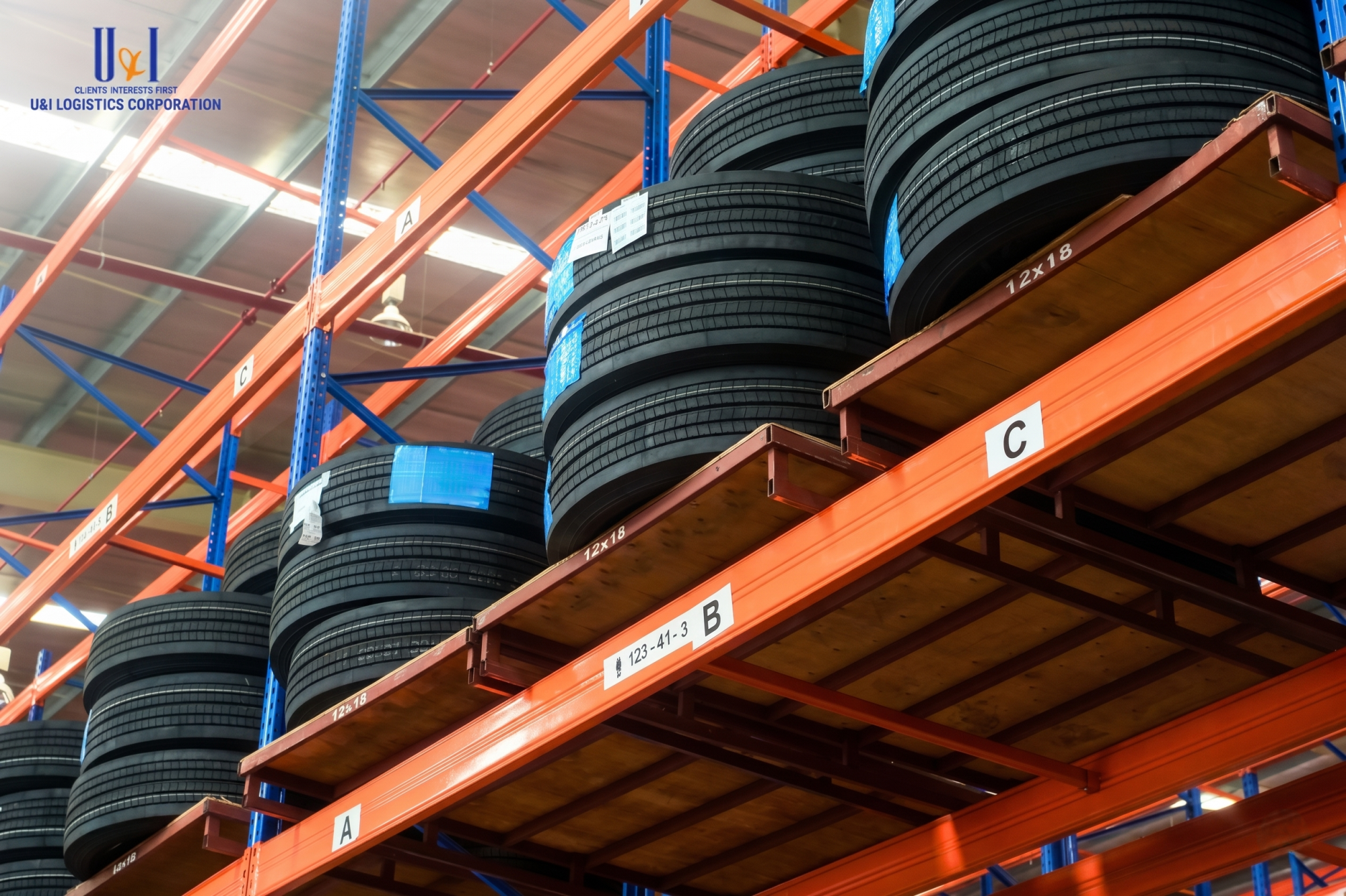
Technically, the core synthetic rubbers in the cost structure of the tire industry, such as SBR and BR, are processed from butadiene — a direct by-product of crude oil and naphtha refining. Therefore, the price chart of this raw material group is significantly influenced by fluctuations in world crude oil prices. The US – Iran agreement pulling oil prices down helps cool the production cost of synthetic rubber accordingly.
This decline appears at exactly the moment when the tire industry is being significantly eroded in its profit margins. Over the past year, the prices of natural rubber both domestically and globally have risen between 15% and 20%, while the prices of finished tires have been almost unable to rise due to intense competitive pressure in export markets.
However, raw materials are only one part of the cost structure, and for tires being exported, this is not the most volatile cost component at the present moment.
In the very same period that crude oil prices were falling, the maritime shipping market to the US recorded extreme cost increases due to the wave of early cargo consolidation by global retailers. According to data from Freightos, freight rates on the Asia – US West Coast route surged 51% in one week, reaching USD 4,836 per 40-foot container.
The US is currently a large export market for tires from Vietnamese enterprises. With this operating reality, the profits gained from cheaper synthetic rubber prices can entirely be wiped out by maritime freight rates. Therefore, the tire industry still cannot afford complacency in the equation of maintaining profit margins in the second half of 2026.
The Cost of "Shipping Air" in the Tire Industry
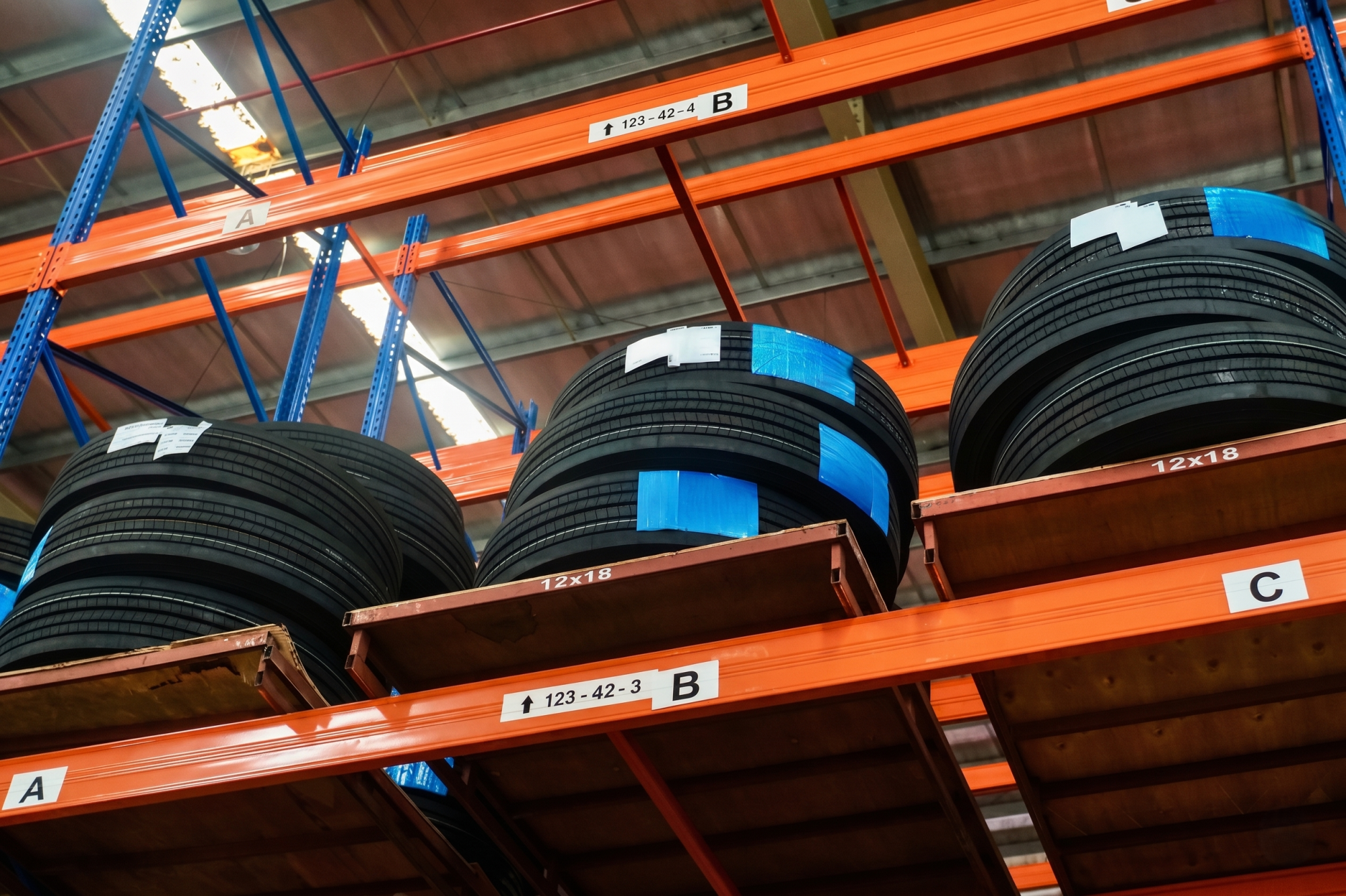
To understand why maritime freight rates play a decisive role in the profit margins of the tire export industry, we need to analyze from the very shape of this product. Tires are light in weight but bulky in size. When loaded into a 40-foot container, tires fill the entire usable volume of the cargo hold long before the cargo weight reaches the container's permitted load limit.
This operational reality means that shippers are paying the full container freight rate to transport a large volume of empty air enclosed within the tires. That high volume occupancy ratio makes logistics a cost component accounting for a large share and experiencing significant fluctuation in the product's cost structure.
In reality, total logistics costs are not a fixed figure but the sum of a chain of interconnected links: from warehouse storage, domestic transport from the factory to the port, customs declaration procedures, to maritime freight rates.
Field operating data shows that financial risks and time delays most often appear at the joints between independent service providers — when warehousing, trucking fleets, and customs agents belong to separate units without information synchronization.
A cargo container arriving at the port past the shipping line's cut-off time, a customs declaration encountering trouble due to incorrect HS code classification — each of these small bottlenecks, when added up, directly generates costs that drain the business's working capital.
To fundamentally resolve this equation, the trend toward shifting to a fully integrated logistics chain model is beginning to demonstrate its advantages. The U&I Logistics approach of packaging all stages of warehousing, domestic transport, customs brokerage, and maritime freight is a concrete example of how risks are controlled when all stages are managed centrally and synchronously:
Tightly controlling the joints within a single management system helps keep product costs in a stable state and enhances competitiveness when accessing major markets.
The Variables Within Our Hands
The agreement between the US and Iran surrounding the story of the strategic Strait of Hormuz is certain to undergo many more complex developments, as the newly signed memorandum has only established a temporary 60-day buffer window. The extent to which the Strait of Hormuz reopens and the progress of fully lifting maritime blockade orders still depend on the outcomes of subsequent detailed negotiation rounds.
Therefore, the charts of crude oil prices, synthetic rubber prices, and freight rate indices will continue to undergo unpredictable cycles of rise and fall with each news cycle — factors beyond our forecasting ability.
Faced with that reality, the cash flow management equation of tire enterprises needs to be reconsidered frankly: When the next round of international market fluctuations strikes, do businesses want their profit margins to be entirely dependent on price indices set by the world, or to rely on an operating chain in which they can tightly control every link?
Raw rubber prices and world oil prices are variables determined by others. In contrast, the process of transporting goods from the factory gate, through the warehouse system, accurately clearing customs to reach the destination port, is the variable that lies in the hands of operators.
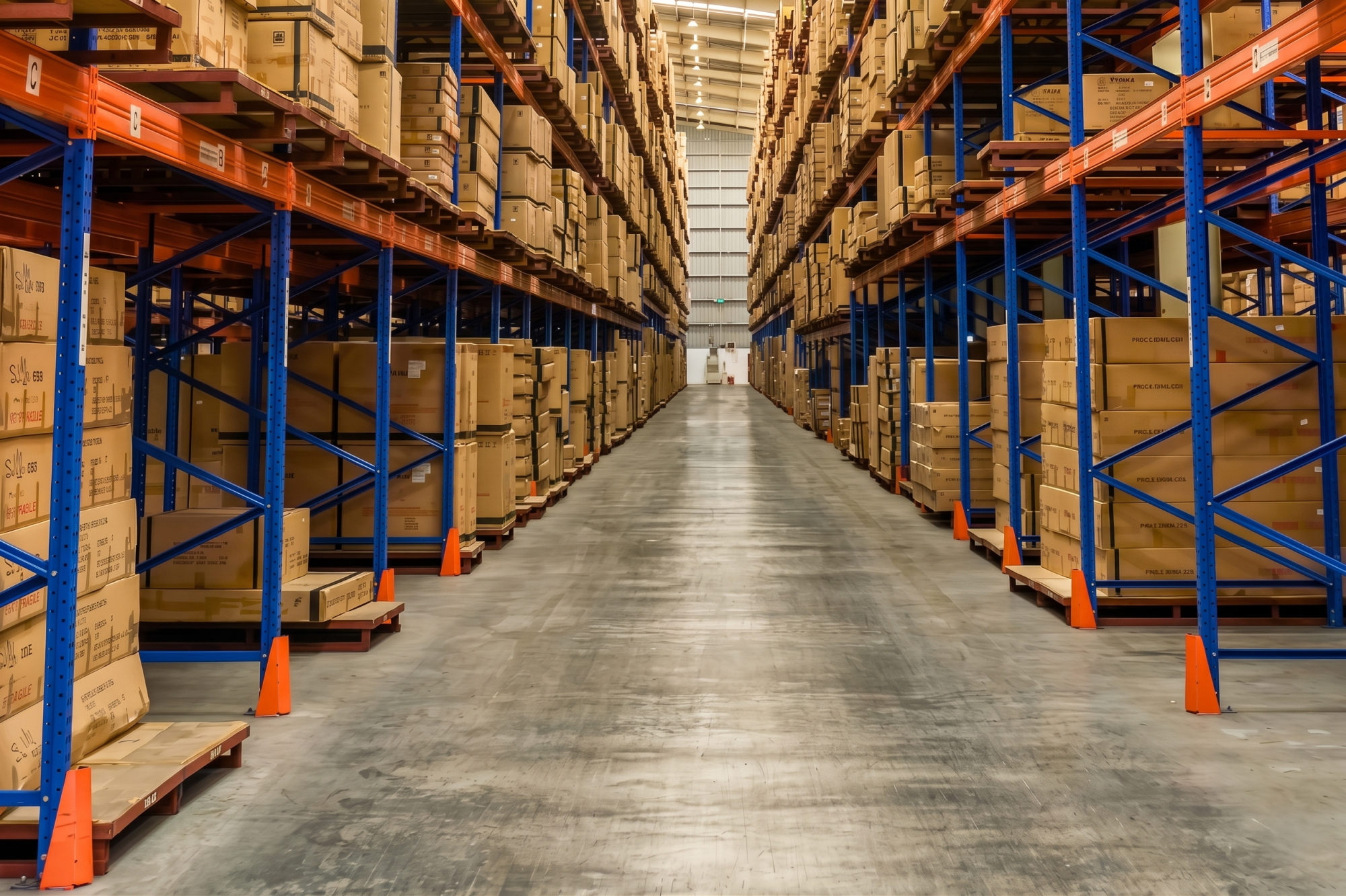
Businesses that identify this as a race in operational capability will focus on partnering with integrated logistics chains such as U&I Logistics to optimize container packing space and minimize logistics risk costs, building for themselves a sustainable competitive foundation in major export markets.


23/06/2026
More than USD 8.5 billion in high-tech FDI in the first half of 2026 sets four operational barriers for the semiconductor and electronics chain. The VMI bonded warehouse is the optimal solution between storage and transport.
23/06/2026
The tariff gap between in-quota and out-of-quota TRQ rates can reach 80-100% for sugar — turning the clearance equation into an equation of synchronizing vessel arrival timing with the legal effective date of the quota document. The key solution is the bonded warehouse.

23/06/2026
MSC's Ochna service connecting Hai Phong – Ho Chi Minh City directly with North China's port cluster marks the shift of the Southeast Asian logistics axis toward the Singapore – Vietnam – Indonesia distribution triangle, where Vietnam takes on the role of an intra-regional distribution platform.


