

25/08/2026
At the specialized semiconductor forums held in July 2026 in Ho Chi Minh City (such as the Vietnam – Singapore Semiconductor Industry Cooperation Forum and the SEMICONNECT 2026 Conference), experts identified the 2026–2030 period as a pivotal time for Vietnam to shift from low-value processing stages toward building a complete semiconductor ecosystem, closely aligned with the direction of the National Strategy set out in the Prime Minister's Decision No. 1018/QD-TTg. At present, international technology corporations such as Marvell, Renesas, Infineon, Qualcomm, and NVIDIA have established a presence in Vietnam through IC design R&D centers or cooperative projects on AI application research and technology piloting.
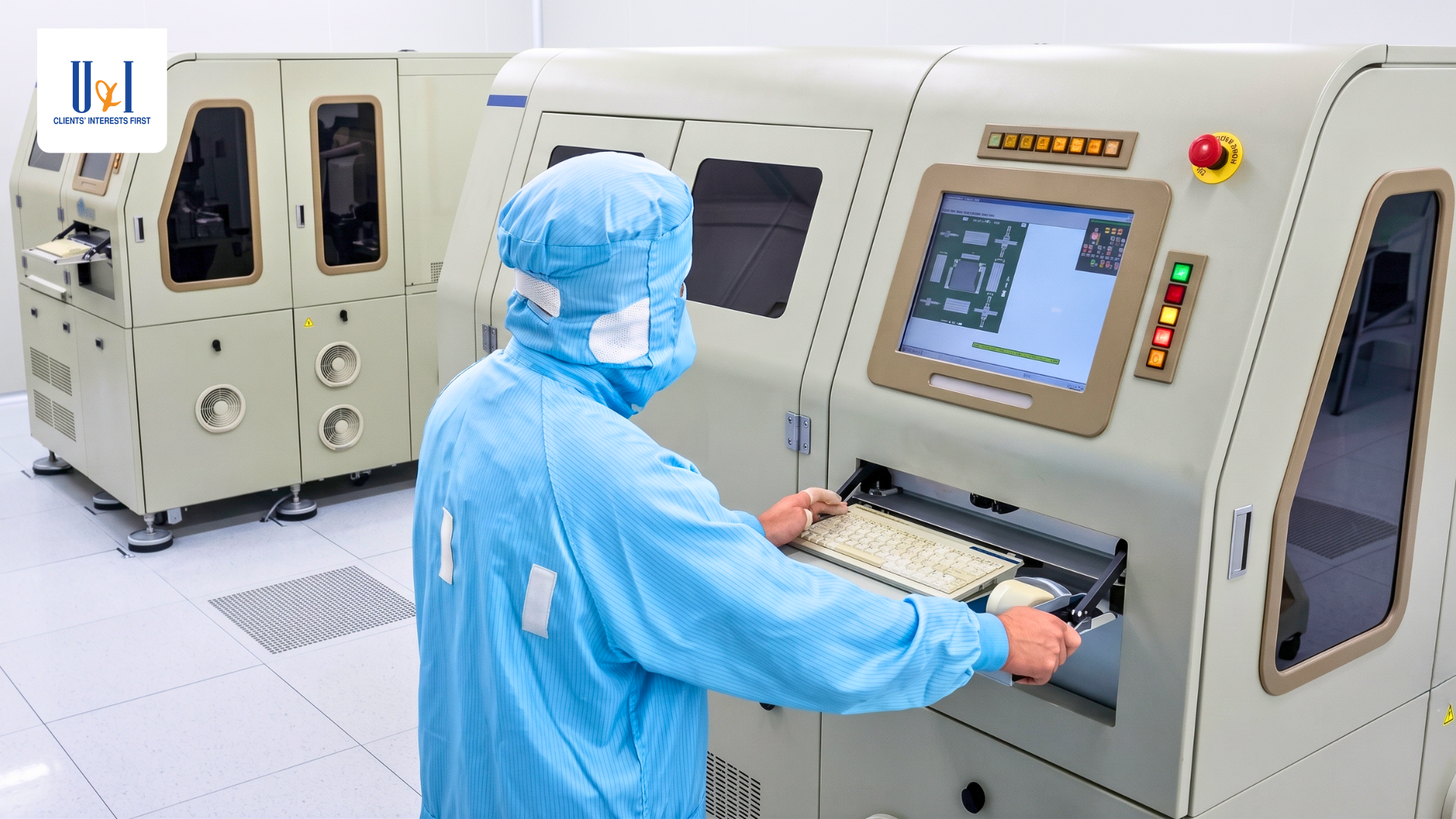
However, the objective of scaling up the high-technology value chain is running up against barriers from transport and warehousing infrastructure. According to figures from the Ministry of Industry and Trade and international measurement organizations, Vietnam's logistics costs are currently equivalent to 16.8% to 17% of GDP — higher than the global average (around 10.6% – 12%) — with transport costs alone accounting for more than 50% of total costs. For the semiconductor and precision electronics industries, the logistics risk lies not merely in freight rates but is concentrated in the risk of production line Downtime caused by air freight clearance delays, the shortage of bonded warehouse systems meeting Cleanroom Class 1,000–10,000 standards, electrostatic discharge (ESD) control, and specialized shock-absorbing transport vehicles.
The Limits of the "Leapfrog" Mode
The "Leapfrogging" development model has already recorded real results in Vietnam in telecommunications and consumer finance — where wireless infrastructure and digital platforms have enabled the mass adoption of smartphones and electronic payment methods at costs far lower than expanding fixed-line networks or physical card systems. The pace of expansion in the digital technology sector continues to maintain high growth rates: according to 2025 year-end figures from the regulatory authority, the digital technology industry recorded estimated revenue of USD 198 billion with approximately 80,000 active enterprises, of which hardware and electronic equipment exports reached over USD 170 billion.
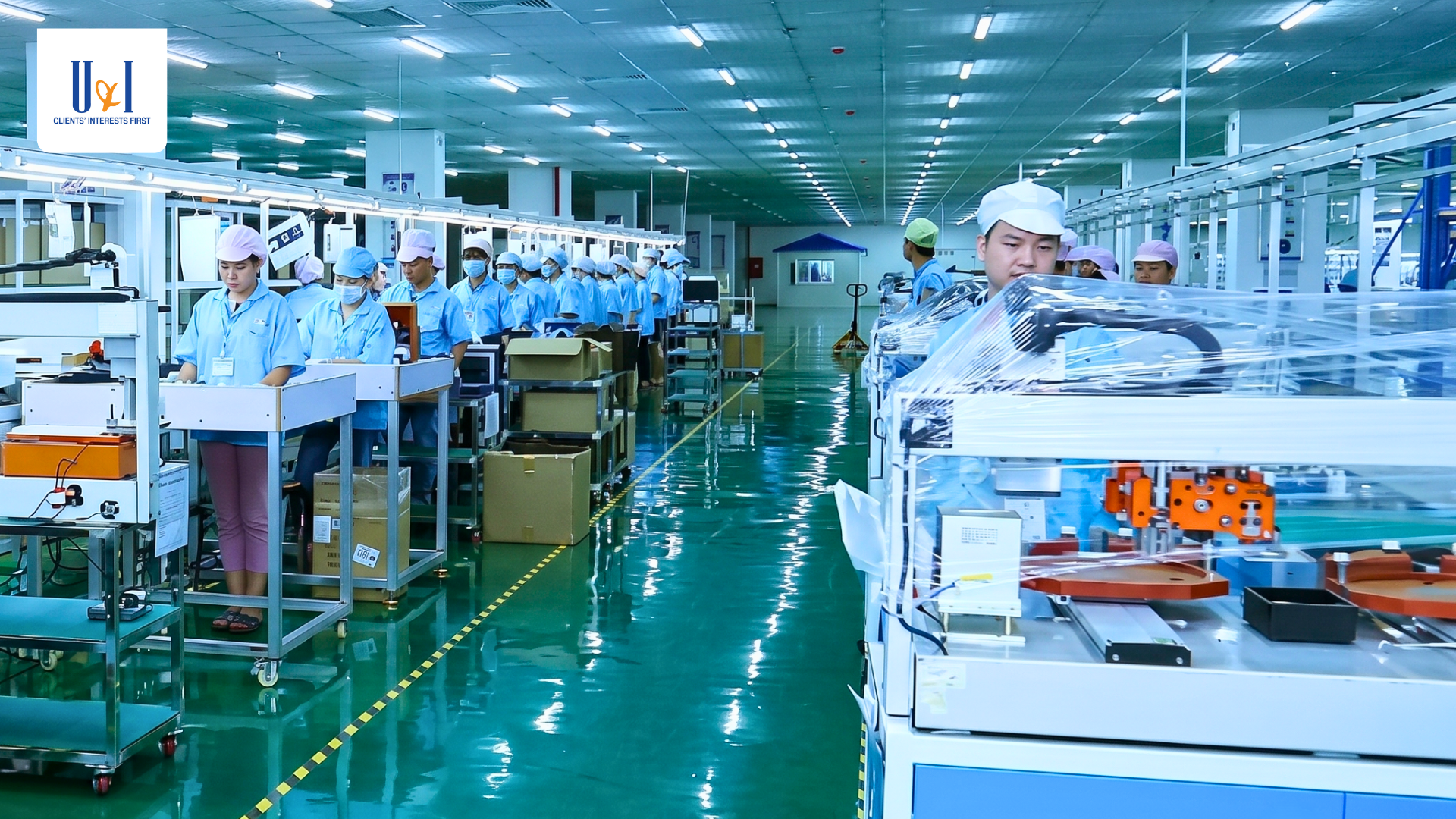
However, the "leapfrog" mechanism only runs smoothly in the digital data space (Bits). In contrast, the value chain of hardware manufacturing and the semiconductor industry — such as components, wafers, and integrated circuits — must move through the system of quays, warehouses, roads, and customs control gates.
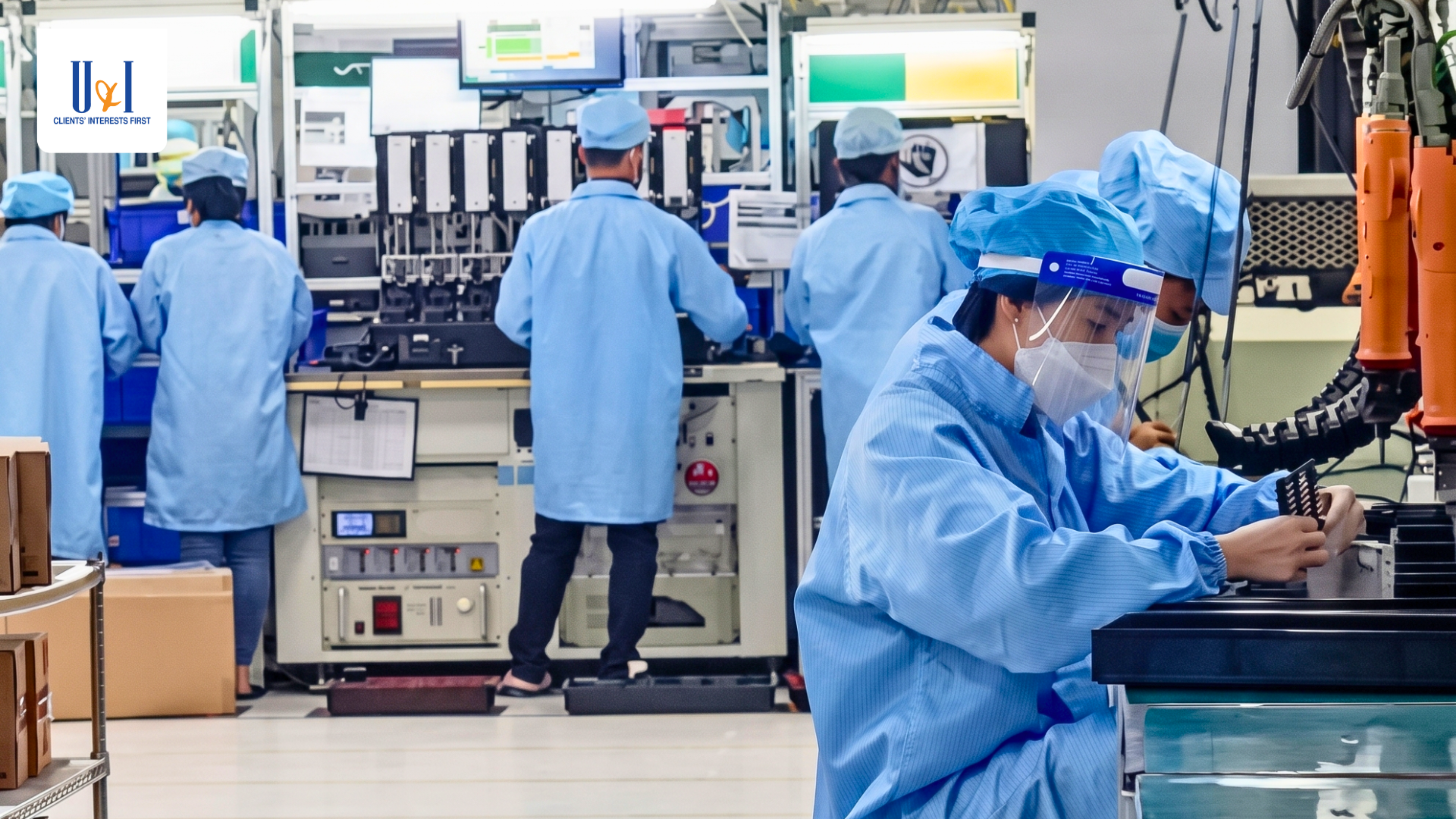
At this operational link, Vietnam's actual infrastructure is revealing specific limits: the 2023 Logistics Performance Index (LPI) published by the World Bank ranked Vietnam 43rd out of 139 countries, 5th in the ASEAN region and behind Singapore, Malaysia, and Thailand. The scale of development of the high-technology manufacturing industry is therefore directly constrained by the capacity and quality of the existing logistics infrastructure system.
Specialized Logistics Standard
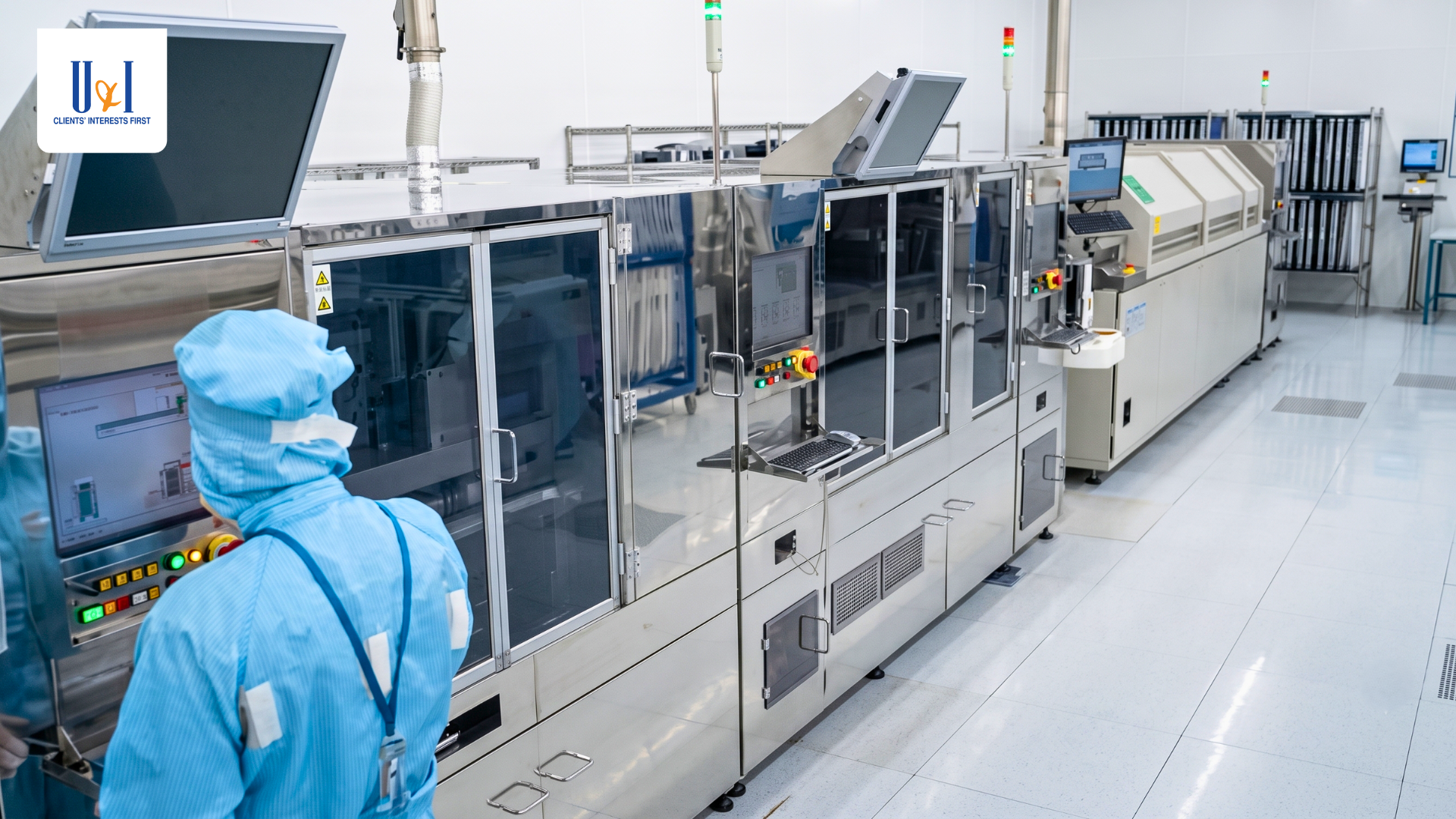
The high-tech and semiconductor supply chain places the most stringent requirements on logistics infrastructure due to the sensitive nature of time and product value. The IC manufacturing process operates on the Just-in-Time (JIT) model, which requires component supply to maintain continuity and precise time certainty. At the same time, the storage and transport of wafer batches requires rigorous technical standards: security systems controlling loss risk, humidity-controlled cleanrooms, anti-static materials, and transport vehicles equipped with pneumatic shock absorption systems. In this environment, any delay in releasing the customs declaration or any fluctuation in preservation quality directly threatens the operation of the entire production line.
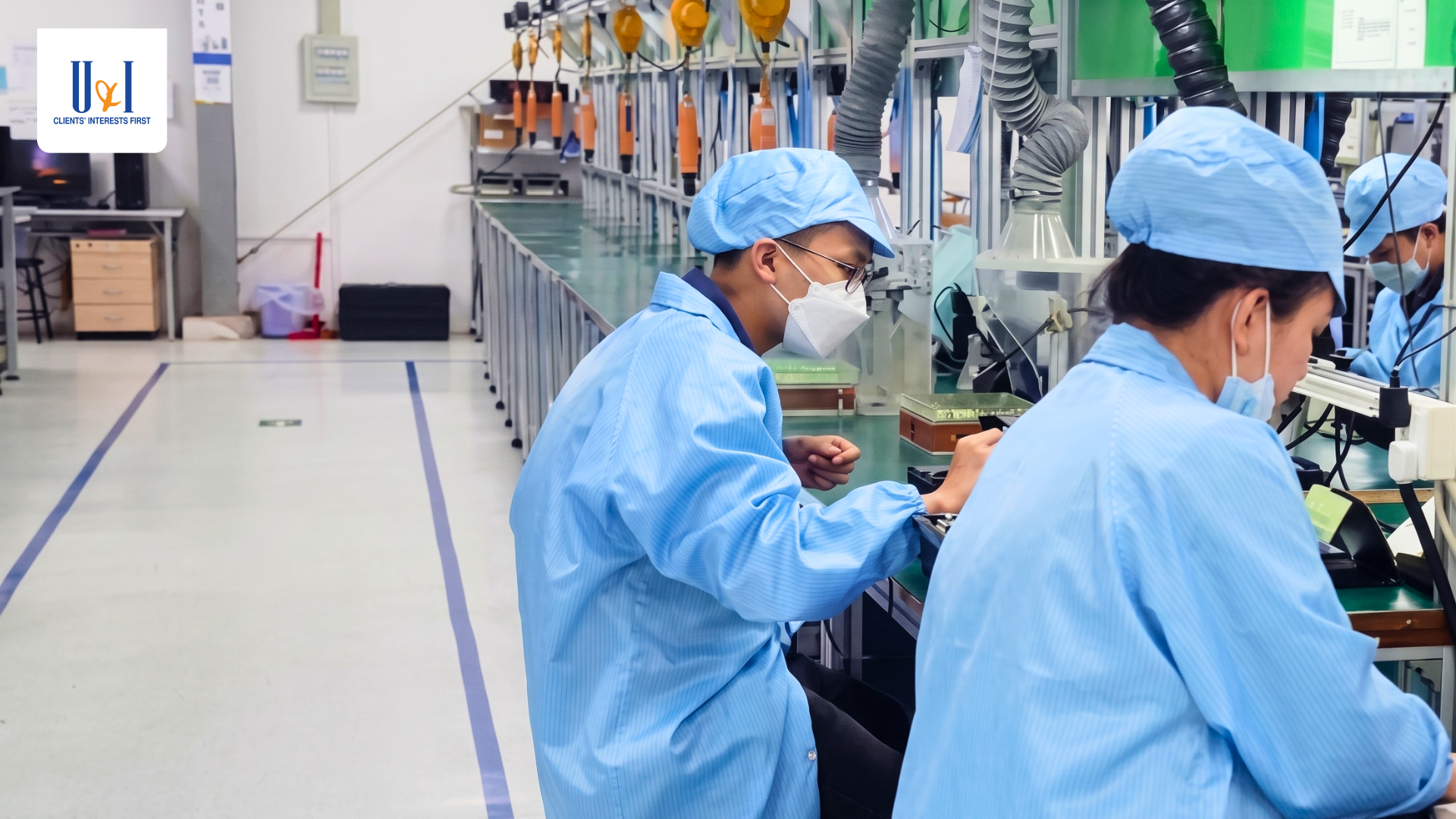
Vietnam's logistics cost index therefore reflects the lack of synchronization in multimodal transport infrastructure, the uneven level of digitalization of documentation flows, and delays in specialized customs clearance procedures. Resolving this barrier does not lie in optimizing transport costs alone, but requires designing logistics solutions as an integrated architecture, structured specifically to the production schedule and risk management standards of each FDI project. This model requires logistics enterprises to shift their role from providers of standalone transport or warehousing services to integrators of comprehensive solutions.
U&I Logistics' implementation model — combining a standards-compliant bonded warehouse system, a specialized transport fleet, and customs brokerage services for FDI projects — is a practical example of this shift. By synchronizing customs procedures and digital documentation processing to match the production cycle of high-tech factories, the integrated logistics solution serves as the infrastructure guaranteeing the continuity and competitiveness of the supply chain.
Prerequisite Condition
Attracting foreign direct investment capital into high-technology sectors requires direct compatibility with the capacity of the physical logistics system. According to the direction set out in the national logistics development strategy projects, Vietnam has set the goal of bringing its Logistics Performance Index (LPI) into the world's Top 35 – 40 in the 2030–2035 period. The gap from the current 43rd position (according to the World Bank's LPI 2023 Report) to reach the group of 40 leading countries requires a transformation in quality: focusing on comprehensive digitalization of the clearance process, connecting multimodal infrastructure, and upgrading warehouse technical standards, rather than merely expanding land area or investing in vehicles.
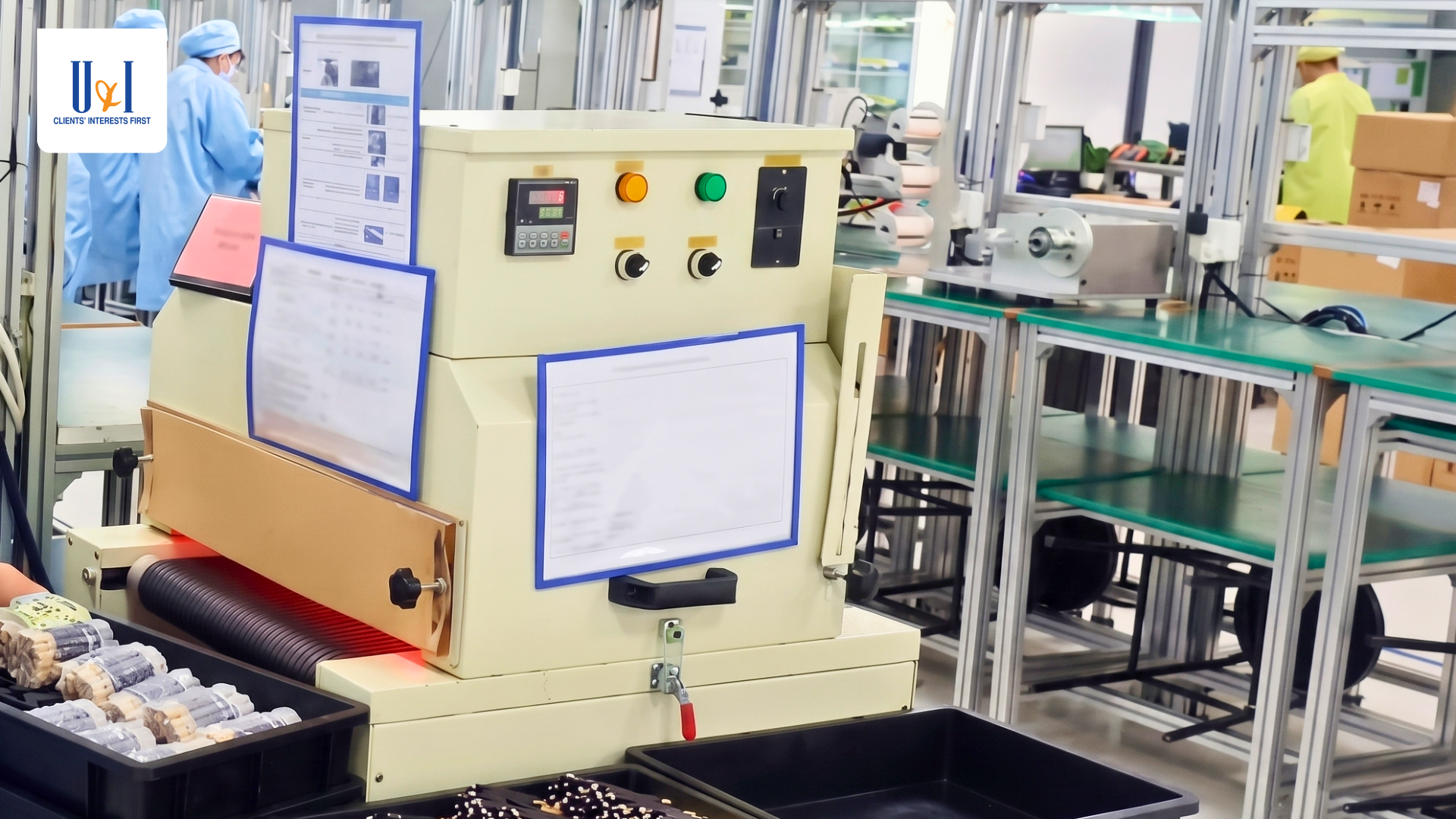
For global technology corporations, fiscal incentive policies and labor costs are the initial competitive factors, but the factor that guarantees the continuous operation of semiconductor plants and electronics assembly lies in the technical logistics infrastructure system: specialized bonded warehouses, air freight logistics capability, customs procedures, and transparency of the documentation data flow. Therefore, realizing the goal of raising the share of the digital economy and developing the semiconductor industry depends closely on the ability to synchronously upgrade the existing logistics foundation, ensuring time certainty and safety for the entire supply chain.


25/08/2026
An exported product cannot substitute for the quantitative proof requirement to receive a tax refund. Seafood and textile-garment enterprises need to standardize their consumption norms, declaration type codes, and Form 15 statements early.
25/08/2026
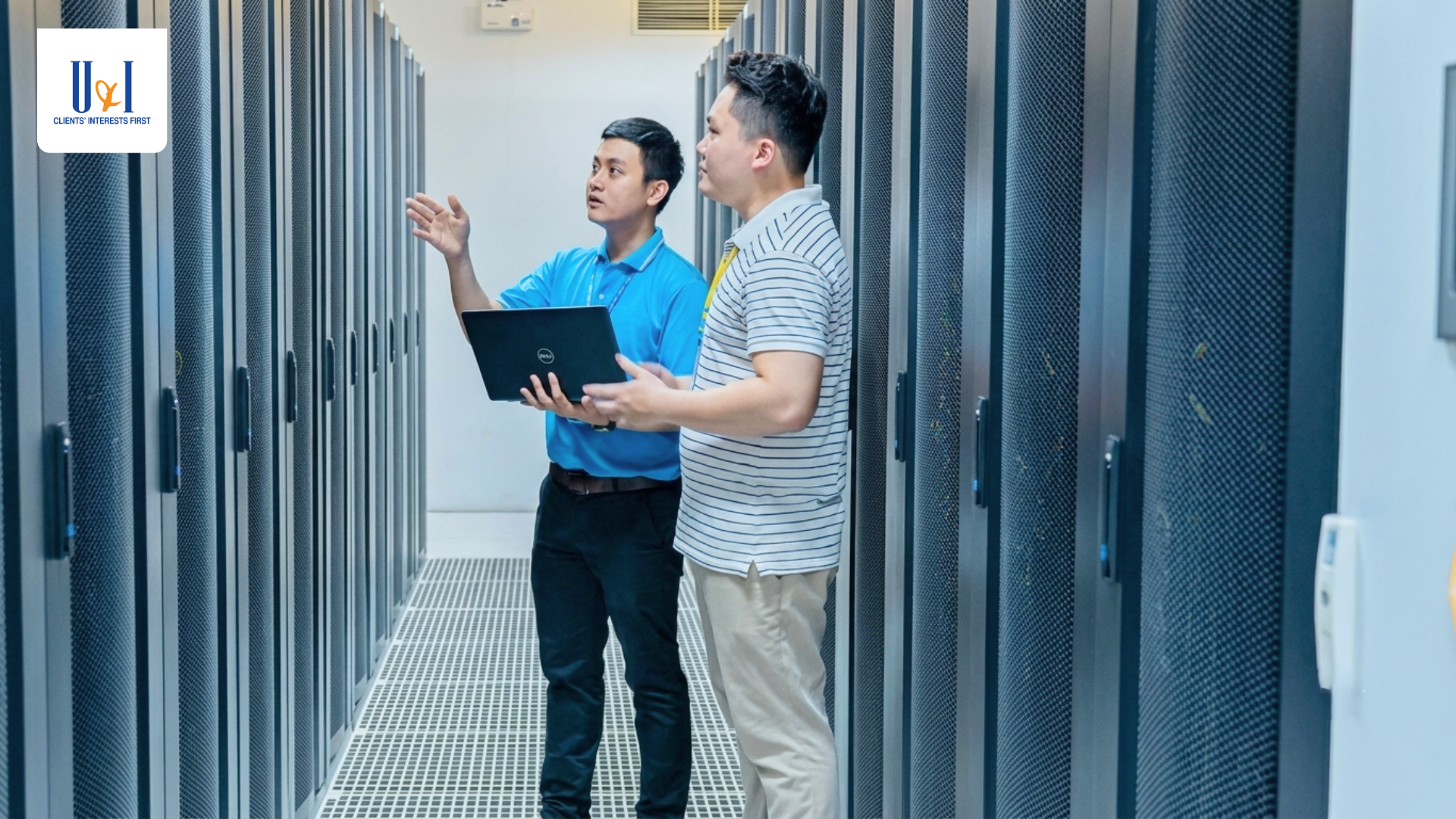
31 lines of dual-use goods across 4 groups (electrical, chemical, metals/alloys, UAV) require enterprises to classify simultaneously by HS code, description, and technical threshold — HS codes alone cannot determine whether goods fall under control.
25/08/2026
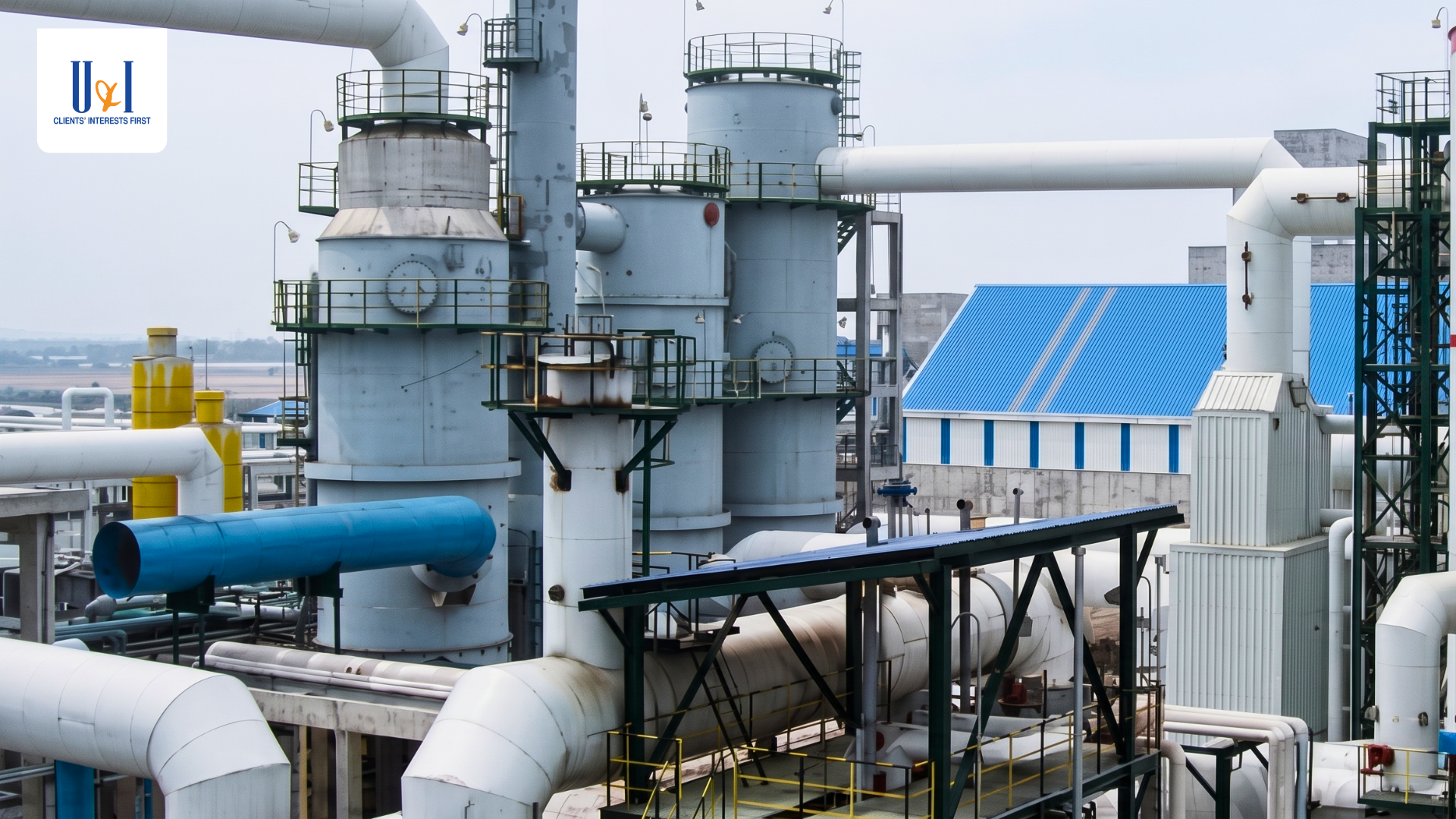
Decree 292/2026/ND-CP, effective from September 5, 2026, replaces Decree 69/2018/ND-CP, updating the prohibited goods list according to AHTN 2022 with 23 groups prohibited from import and 10 groups prohibited from export, tightening HS code compliance and adding provisions prohibiting goods produced through forced labor.


