

28/07/2026
On July 7, 2026, more than 100 businesses in the semiconductor supply chain — the majority coming from Taiwan and serving as supply partners for major corporations such as NVIDIA, Tesla, and Starlink — conducted an investment survey at the Sonadezi Chau Duc Industrial Park. This is also where the Electronic Tripod factory has just injected USD 450 million to launch Phase 1 trial operations from mid-June 2026. In the same year, Intel raised its investment commitment in Vietnam from USD 1.5 billion to USD 4.1 billion, nearly tripling in scale. These developments have been continuously assessed as a golden opportunity for the domestic warehousing industry.
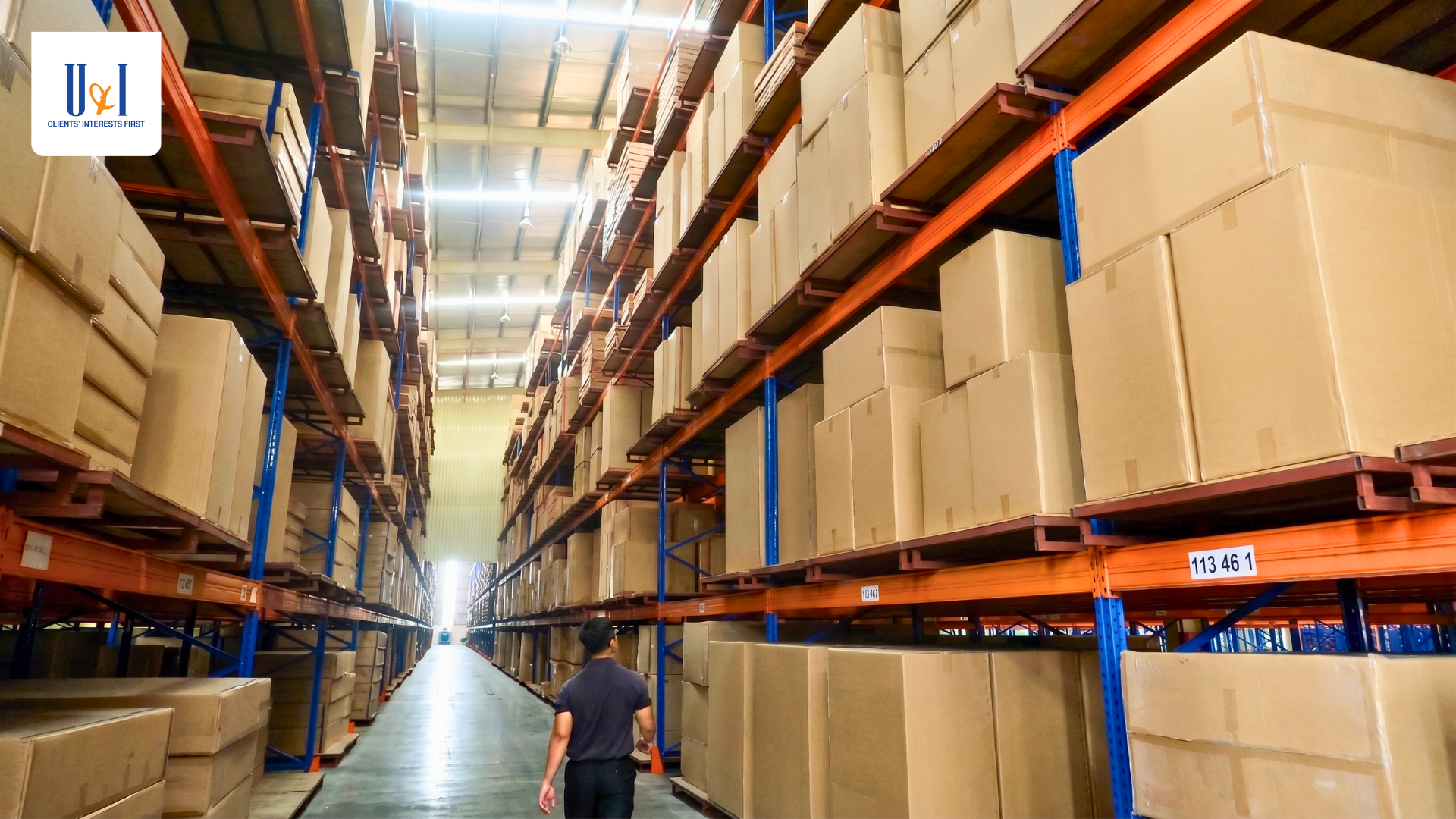
Traditional advantages such as competitive rental rates, large land banks, or low labor and electricity costs often push the market into a race to build larger, more modern warehouses at lower prices.
However, for the semiconductor industry, wafers and chips belong to the group of goods with the highest value per kilogram in the world, and they are also the top target for theft and supply chain loss risks.
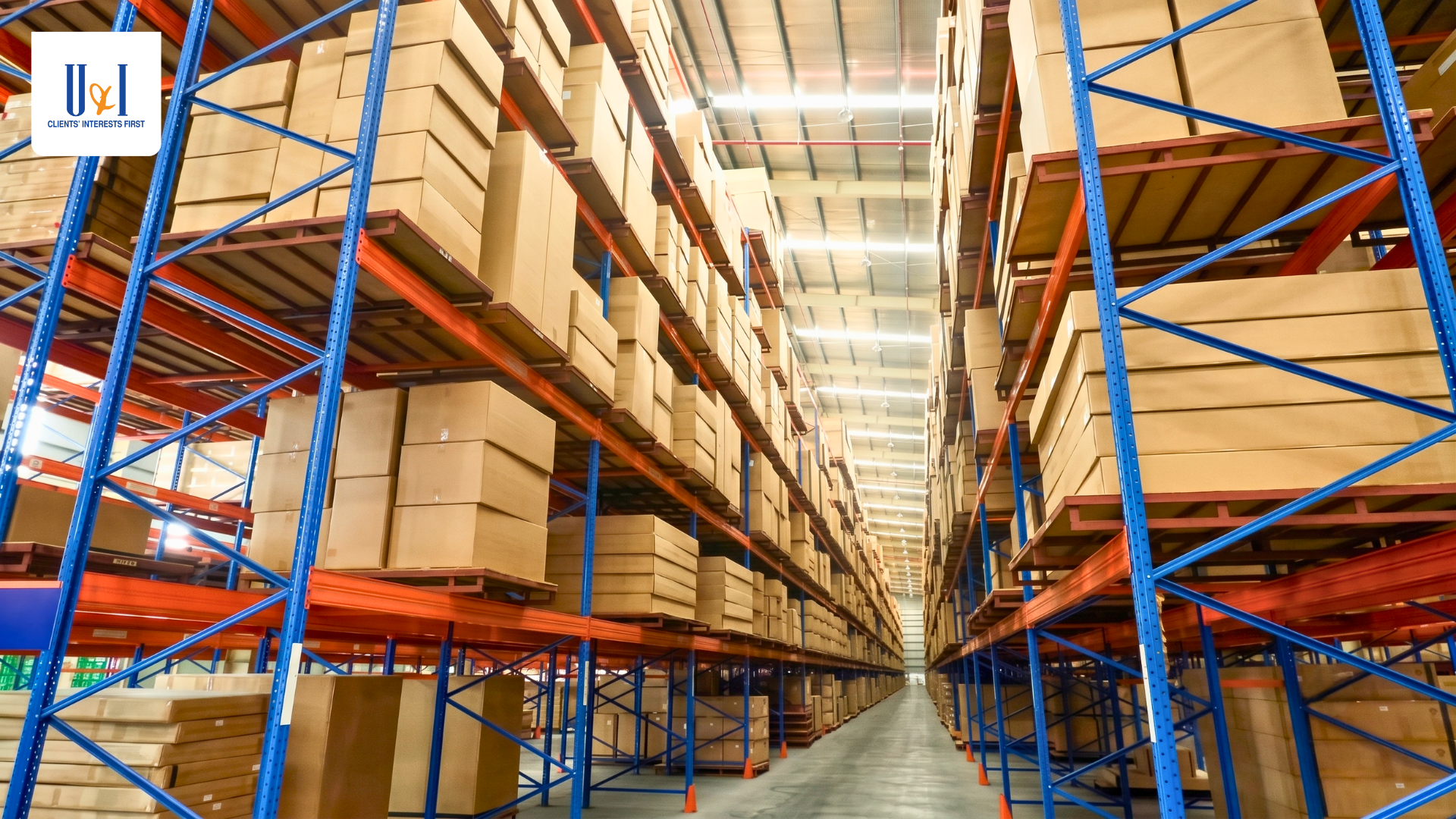
That is why the two international security standards — TAPA and C-TPAT — play a critical technical role:
For a chip manufacturing plant or a warehouse, no matter how modern, the absence of C-TPAT/TAPA security certifications can cause the provider to lose out from the very first round of capability evaluation, before even entering rental price negotiations.
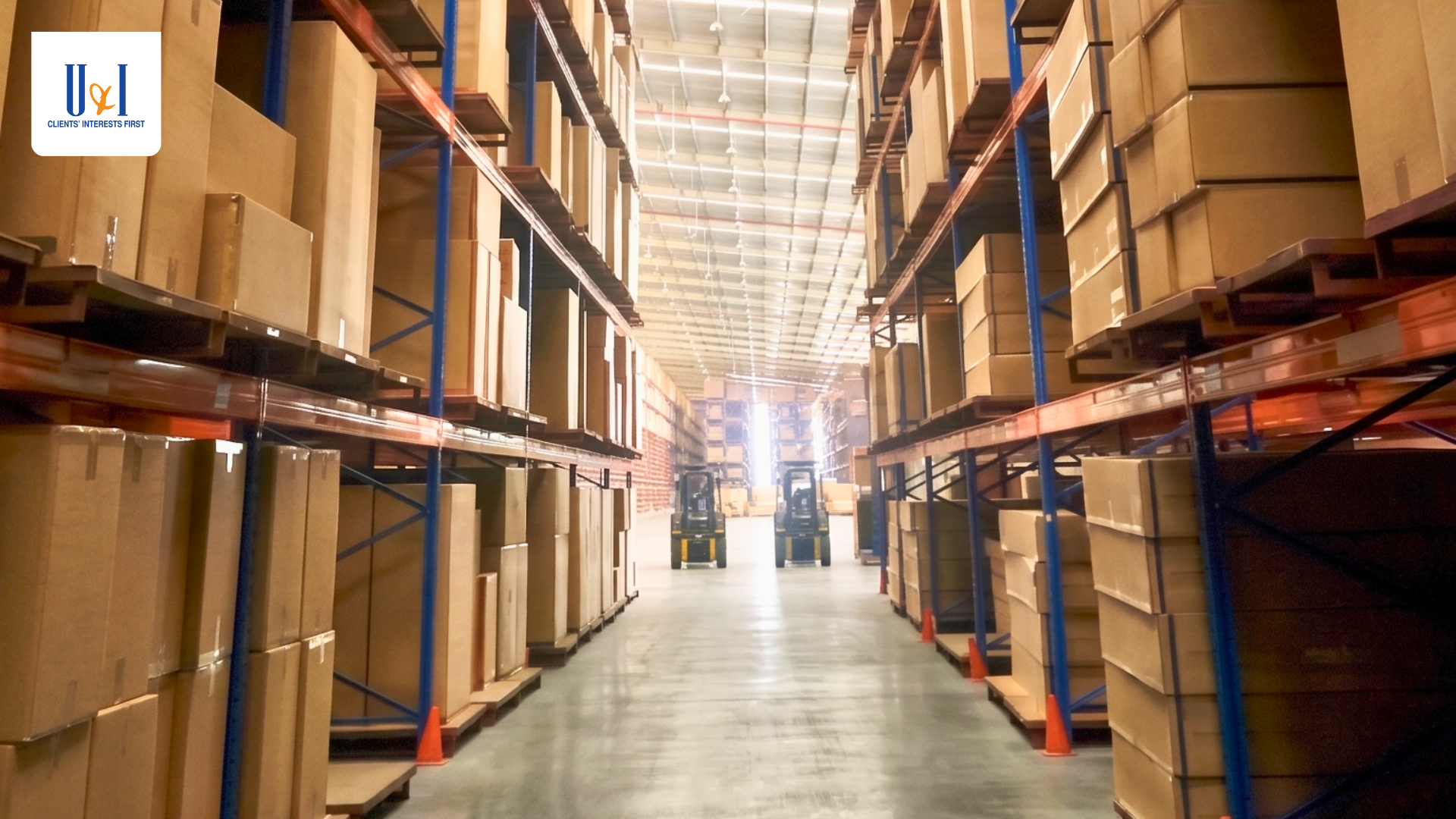
There are three core factors that simultaneously require warehouses to meet international security standards: high-value cargo insurance policies, security commitment clauses in commercial contracts with clients, and C-TPAT compliance status for shipments exported to the US market.
C-TPAT is the supply chain security partnership program of US Customs and Border Protection (CBP). Although voluntary in legal terms, C-TPAT delivers direct quantitative benefits: member businesses that meet the standard have their customs inspection frequency reduced by 4 to 6 times compared with ordinary businesses. Even at Tier 1, businesses receive a 20% reduction in risk score in CBP's automated classification system, along with green lane priority and expedited clearance. This is a life-or-death factor for chip product lines operating on the Just-in-Time lean manufacturing model. That is why high-value electronics is always the priority protection target of C-TPAT.
Meanwhile, the TAPA FSR standard classifies warehouses into three security levels (from Class A as the highest level to Class C). The standard sets out a detailed list of technical requirements such as: physical fencing surrounding the loading and unloading area reaching a minimum height of 1.8 meters; entrance gates integrated with electronic security controls or manned by security personnel on duty; a continuous 24/7 video surveillance system; and the mandatory written security risk assessment at least once a year. The most recently updated version of the TAPA FSR standard has officially come into effect in 2026.
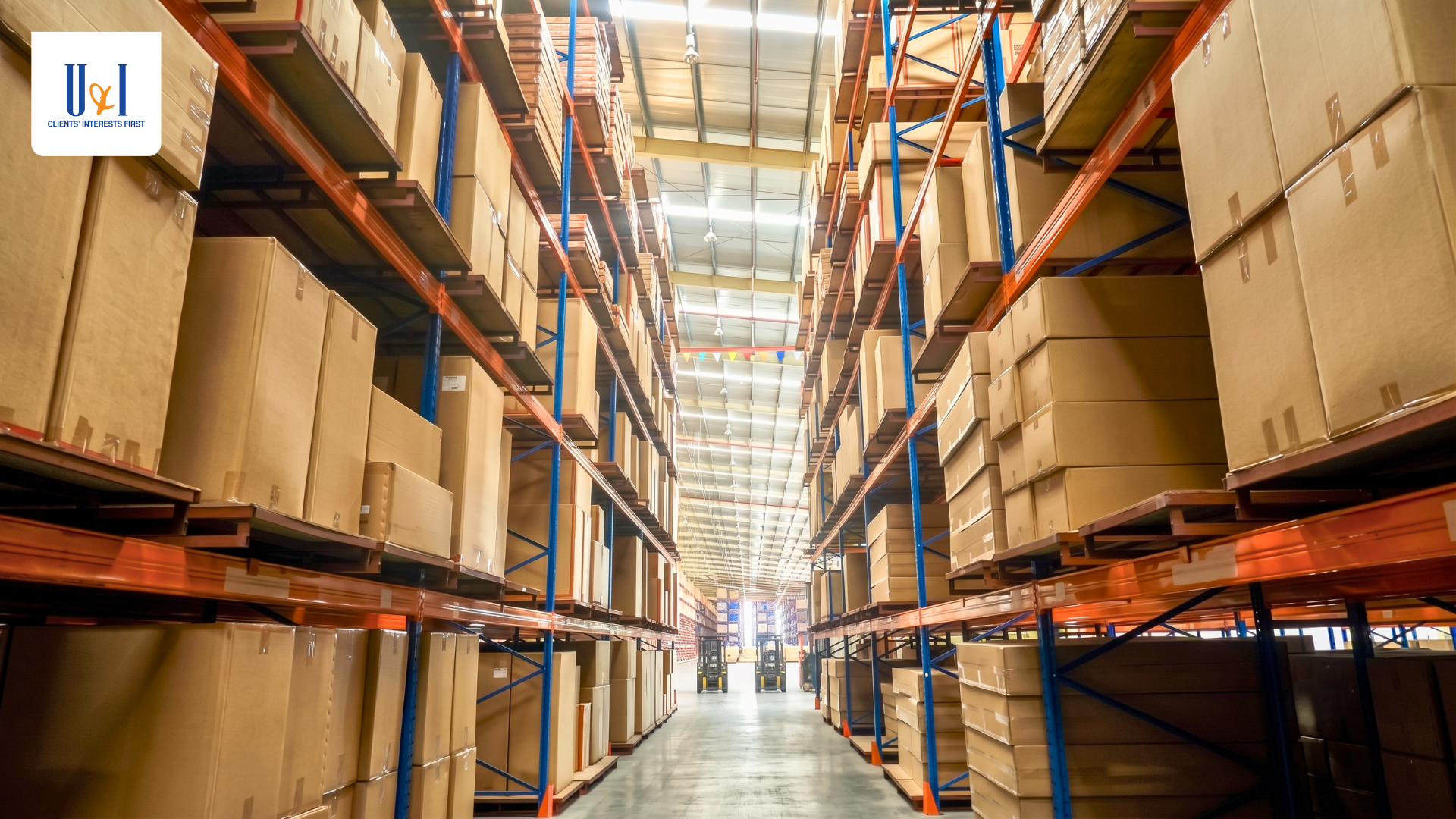
A warehouse lacking security certifications means that shipments stored there cannot obtain full-risk insurance coverage at reasonable costs, while also breaking the continuity of the C-TPAT security chain.
This reality is especially true for bonded warehouse systems. Imported components, wafers, and high-tech equipment stored at bonded warehouses under an unpaid-duty status are precisely the high-value asset group that international security standards are designed to protect.
In that context, professional logistics service providers such as U&I Logistics affirm their role as a strategic connecting link. U&I Logistics' standards-compliant bonded warehouse system is designed and operated in strict alignment with the rigorous security criteria demanded by global shippers. As a result, semiconductor shipments in storage remain fully eligible for insurance coverage, maintain the continuity of the C-TPAT security chain when imported into the US, and operate seamlessly when exported through seaports. In the high-tech logistics segment, the deciding factor for competitiveness lies not in how large the warehouse area is, but in whether that warehouse can pass rigorous security audits.
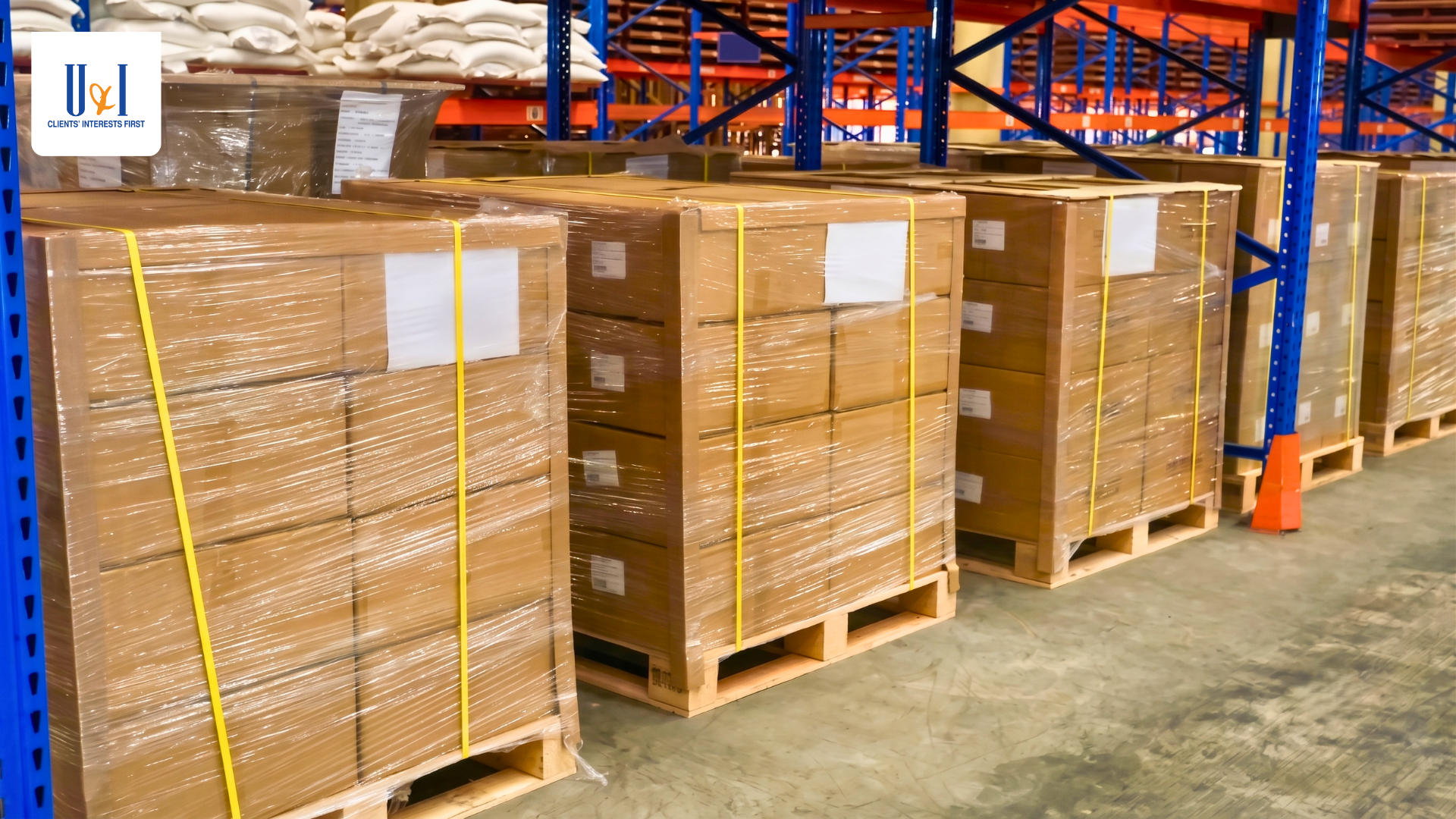
Building an ordinary warehouse takes only a few months. However, achieving and continuously maintaining international security certifications is a story of standardized operating procedures, human capability, and internal discipline forged over many years — the core values that U&I Logistics has always upheld.
The wave of semiconductor investment is truly knocking on the market's door, bringing partnership opportunities with hundreds of businesses and billions of USD in committed capital. However, an open market door does not mean that every warehouse has the capability to step through it. Vietnam may witness a series of new warehouses springing up around industrial parks, yet still risk having to cede the highest-value cargo segment to providers that already possess a full portfolio of international security certifications.


28/07/2026
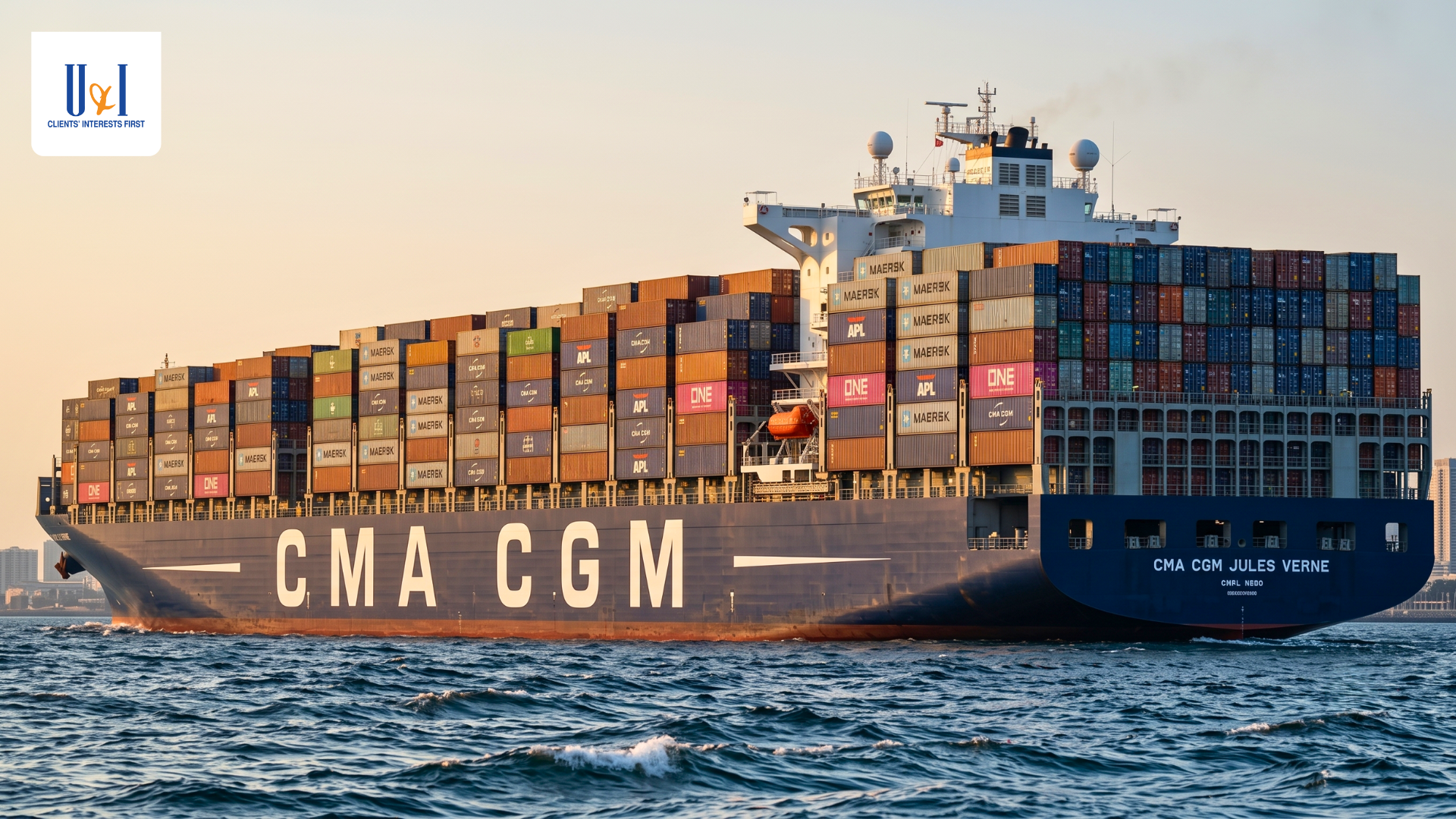
The CMA CGM acquisition of FedEx Supply Chain for USD 1.4 billion, covering 150 warehouses in North America, marks a wave of vertical integration M&A among major shipping lines, narrowing the negotiating space of shippers and highlighting the role of independent forwarders in protecting cash flow.

28/07/2026
Vietnam's agricultural, forestry, and fishery exports reached USD 35.88 billion in the first half of 2026, but reaching the USD 100 billion mark before 2030 requires growth exceeding 15% per year — forcing the industry to shift from the model of expanding output to integrated logistics management that preserves the value of agricultural products.
28/07/2026
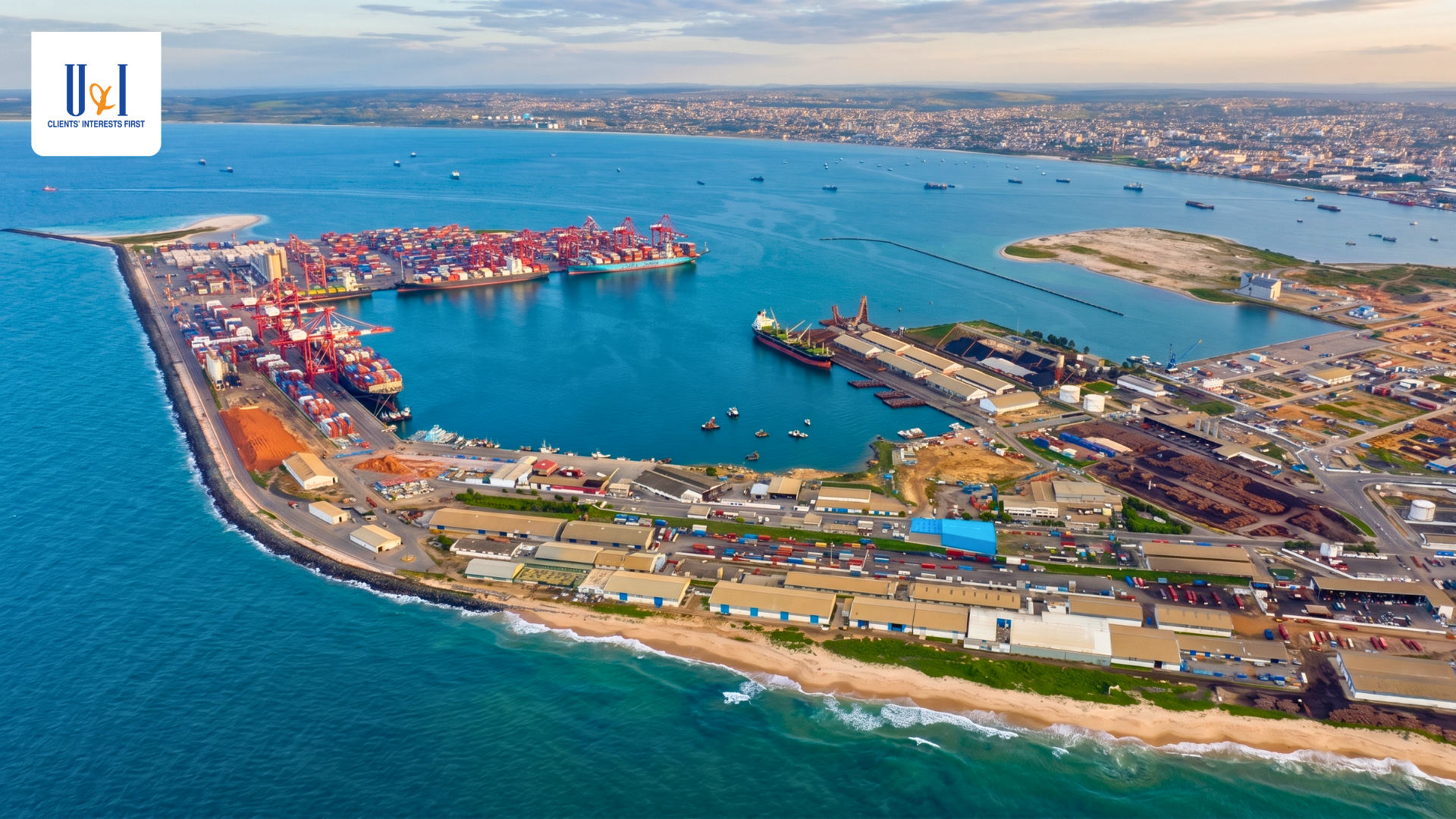
Diversifying to Africa and the Mediterranean to share risk is the right move, but the new PSS from CMA CGM shows that niche routes are precisely where shippers hold the weaker hand.


